Ahead of EU Quantum Act, IQM Calls for Dedicated Qubit Foundries and DARPA-Style Procurement
A new report by IQM Quantum Computers, "Quantum Is Europe's Second Chance," calls for the EU to implement a Quantum Act to compete with other global…

Ahead of the European Commission’s expected presentation of the European Union Quantum Act, Finnish-German hardware developer IQM Quantum Computers (Nasdaq: IQMX) has released an industrial policy manifesto titled Quantum Is Europe’s Second Chance. The position piece argues that while Europe ceded commercial leadership in artificial intelligence to foreign hyperscalers, the continent enters the commercialization phase of quantum computing with structural advantages that risk eroding without coordinated manufacturing capacity, late-stage growth capital, and milestone-driven procurement.
Europe’s Quantum Ecosystem: Current Footprint vs. Policy Asks | ||
Ecosystem Pillar | Reported Metric / Current Baseline | Proposed Quantum Act Mechanism |
Public Investment | ~$10B across EU Member States | Ranks second globally behind China; leads the U.S. in gross public commitments. |
HPC Deployments | 21 on-premises QPU sites (~66% globally) | Embeds QPUs directly into national supercomputing hubs (versus two in the U.S.). |
Growth Capital | EU captured 12% of venture capital (vs. 44% in U.S.) | Establishes a Scale-up Europe Fund for mixed primary/secondary late-stage financing. |
Chip Manufacturing | Academic cleanrooms and R&D pilot lines | Funds shared packaging foundries and dedicated commercial qubit fabs by the 2030s. |
Public Procurement | Traditional grant subsidies | Transitions to milestone-based co-development contracts modeled on DARPA’s QBI. |
Regulatory Speed | State aid approval cycles exceeding 12 months | Imposes a single-window review capped at four to six months (matching Singapore). |
A central vulnerability highlighted in the manifesto is geographic fragmentation: European Centre for International Political Economy (ECIPE) data indicates that 23% of EU quantum funding is dispersed across 34 sub-scale regional clusters, compared to 2% in the U.S. and 1% in China. While EuroHPC initiatives have established European leadership in hybrid quantum-supercomputing installations, hardware developers face persistent barriers scaling beyond the laboratory. When early-stage investors seek liquidity, the absence of deep European institutional growth capital frequently transfers ownership, decision-making, and intellectual property overseas.
To establish domestic commercial resilience, IQM outlines five legislative priorities for the Quantum Act and the companion European Chips Act 2.0. The strategy centers on creating dedicated industrial-grade quantum foundries and packaging facilities by the 2030s to match U.S. CHIPS Act infrastructure programs underway with IBM and GlobalFoundries. To finance large-scale systems, the manifesto urges the EU to model its Quantum Grand Challenges on the U.S. Defense Advanced Research Projects Agency (DARPA) Quantum Benchmarking Initiative (QBI)—replacing basic research grants with multi-hundred-million-dollar milestone contracts—while designating quantum cleanrooms and supply-chain infrastructure as "first-of-a-kind" facilities eligible for fast-tracked European state aid.
The policy document is accessible on the IQM Perspective Portal here.
November 3, 2026
Related Intelligence

Test of USydney article with HTML.
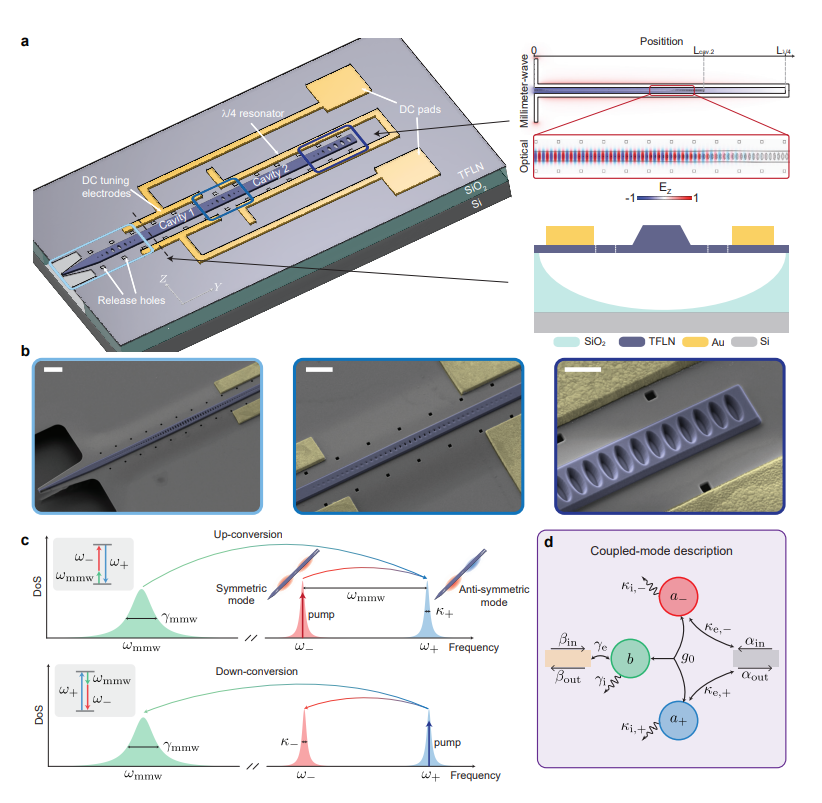
EPFL Demonstrates Millimeter-Wave-to-Optical Transducer with 67% Internal Efficiency
November 10, 2026
Why Quantum Hardware Needs Its Own Threat Model
November 9, 2026
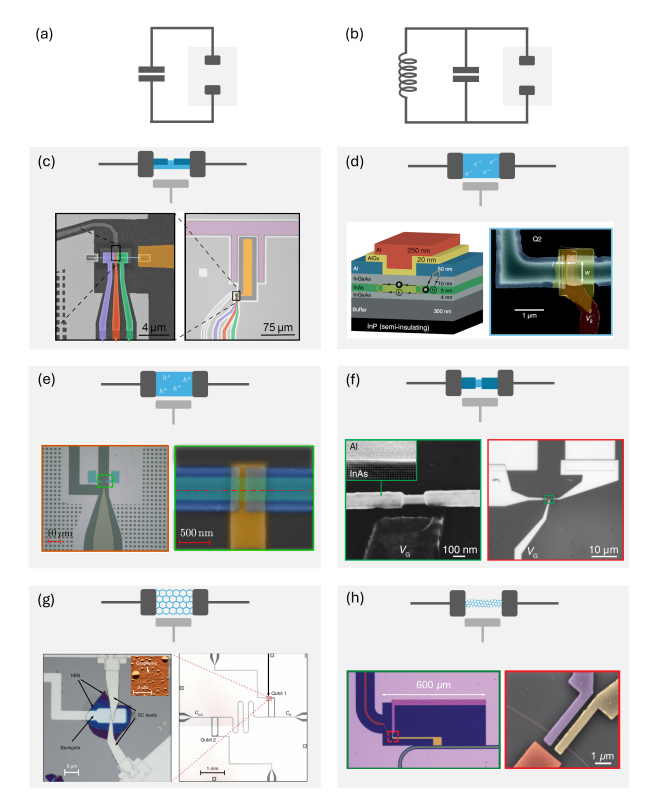
Physics Reports Analysis Evaluates Emergence of Hybrid Semiconductor–Superconducting Qubit Architectures
November 9, 2026
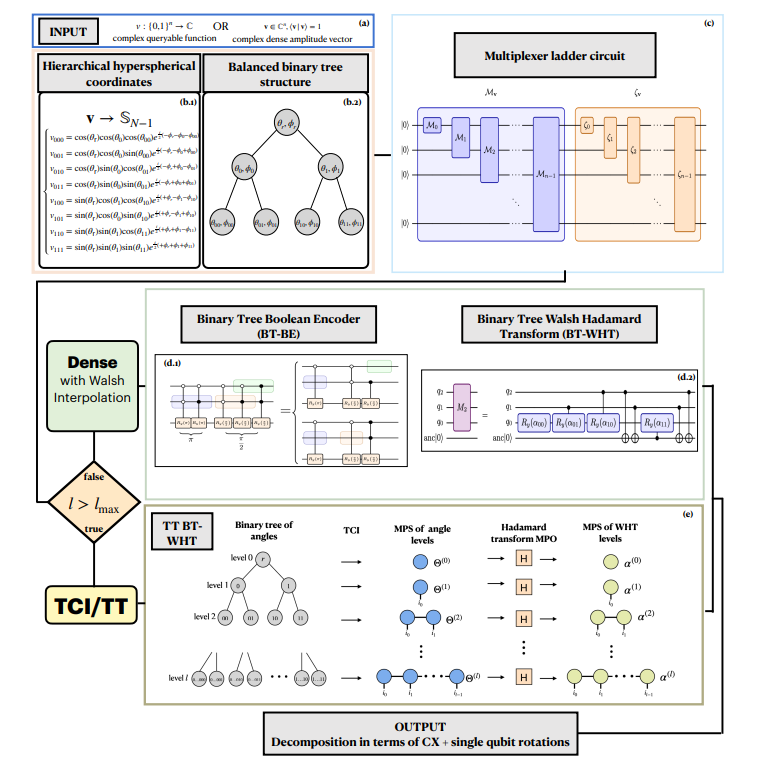
DLR Develops Scalable Unitary Data Encoding Beating Exponential State-Preparation Depth
November 9, 2026
IonQ and Classiq Outline Architectural Trade-Offs in Fault-Tolerant Resource Estimation
November 9, 2026