BTQ Technologies Integrates QPerfect MIMIQ Quantum Emulator into qBraid Cloud Platform
BTQ Technologies has integrated its QPerfect MIMIQ quantum emulator into the qBraid Cloud Platform, offering developers access to large-scale quantum…

BTQ Technologies Corp. has integrated MIMIQ—a large-scale quantum circuit emulator developed by its French subsidiary QPerfect—into the qBraid quantum development ecosystem. Accessible via qBraid's managed API and an open-source provider plugin under Apache License 2.0, the tool provides more than 35,000 registered developers with access to high-dimensional quantum circuit emulation without requiring dedicated local High-Performance Computing (HPC) setup.
BTQ Technologies / QPerfect MIMIQ Platform Specifications | ||
Architecture Layer | Implementation Details | Developer & Emulation Function |
Simulation Engine | Hybrid State-Vector and Matrix Product State (MPS) algorithms | Simulates circuits with thousands of qubits and millions of gates where entanglement growth remains bounded. |
Platform Access | Managed API via qBraid Runtime & | Enables serverless circuit submission directly from existing qBraid Python SDK workflows and AI agent environments. |
Error & Noise Modeling | Controlled singular-value truncation & error-correction benchmarking | Allows pre-silicon verification of quantum error correction (QEC) protocols, noise channels, and algorithmic convergence. |
Open Source Footprint | Provider Plugin released under Apache License 2.0 | Provides standardized interface bridging third-party quantum frameworks to QPerfect's Quantum Logic Unit (QLU) stack. |
While exact classical state-vector simulation encounters an exponential memory wall at roughly 45 to 50 qubits, MIMIQ uses tensor-network compression (specifically MPS with controlled singular-value truncation) to scale up to thousands of qubits for low-depth, weakly entangled circuits. However, the architecture's scalability remains constrained by entanglement growth: circuits featuring high-density entangling gates, 2D/3D all-to-all connectivity, or deep random layers force tensor bond dimensions to expand exponentially, restoring classical simulation boundaries. The integration functions primarily as an algorithmic debugging and pre-hardware validation layer, allowing developers to optimize pulse-level instructions and error-correcting codes before consuming physical quantum processing unit (QPU) runtime.
Technical specifications and commercial access details are documented in the official BTQ Technologies Announcement here.
October 30, 2026
Related Intelligence

Test of USydney article with HTML.
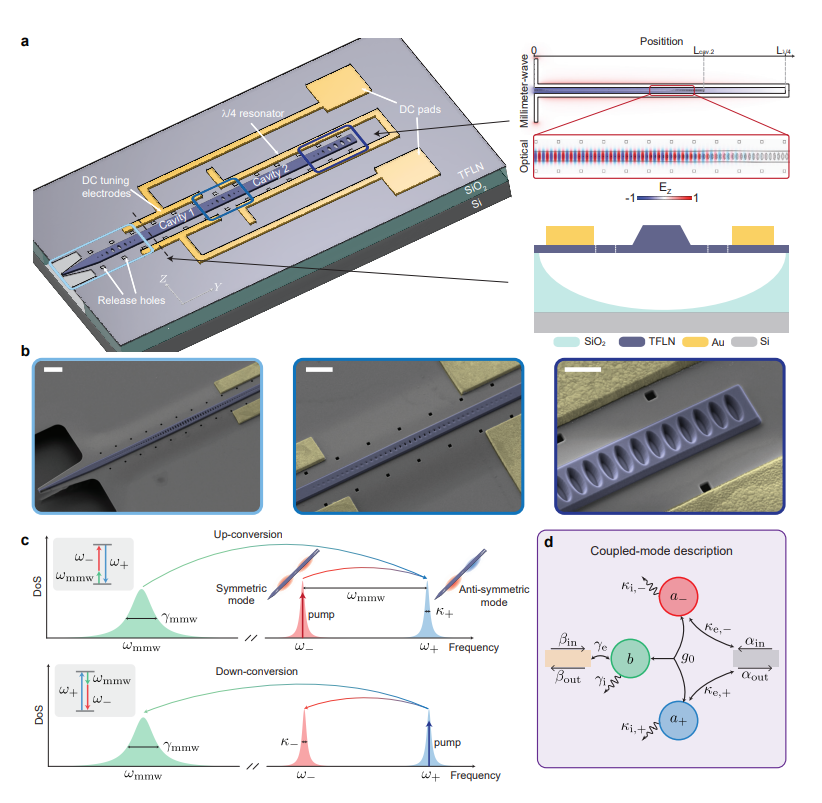
EPFL Demonstrates Millimeter-Wave-to-Optical Transducer with 67% Internal Efficiency
November 10, 2026

Why Quantum Hardware Needs Its Own Threat Model
November 9, 2026
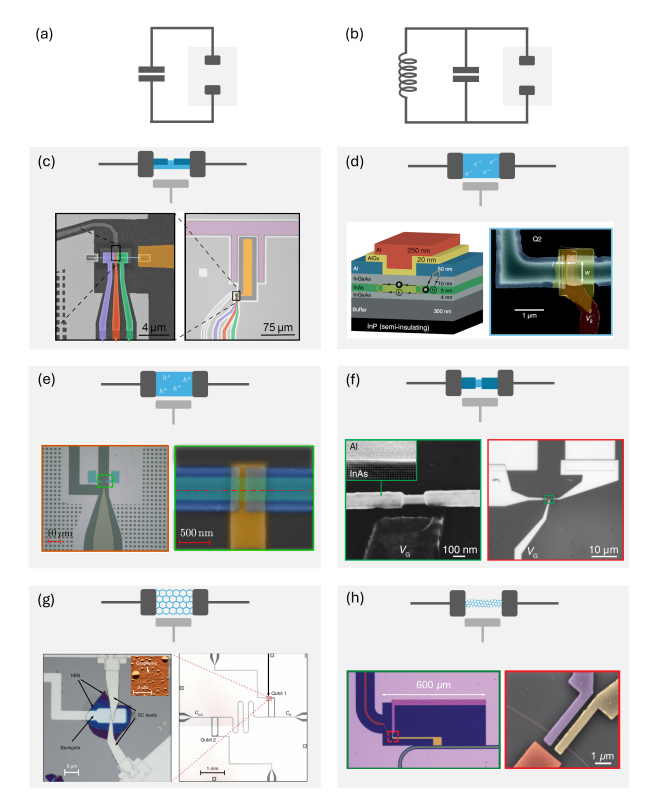
Physics Reports Analysis Evaluates Emergence of Hybrid Semiconductor–Superconducting Qubit Architectures
November 9, 2026
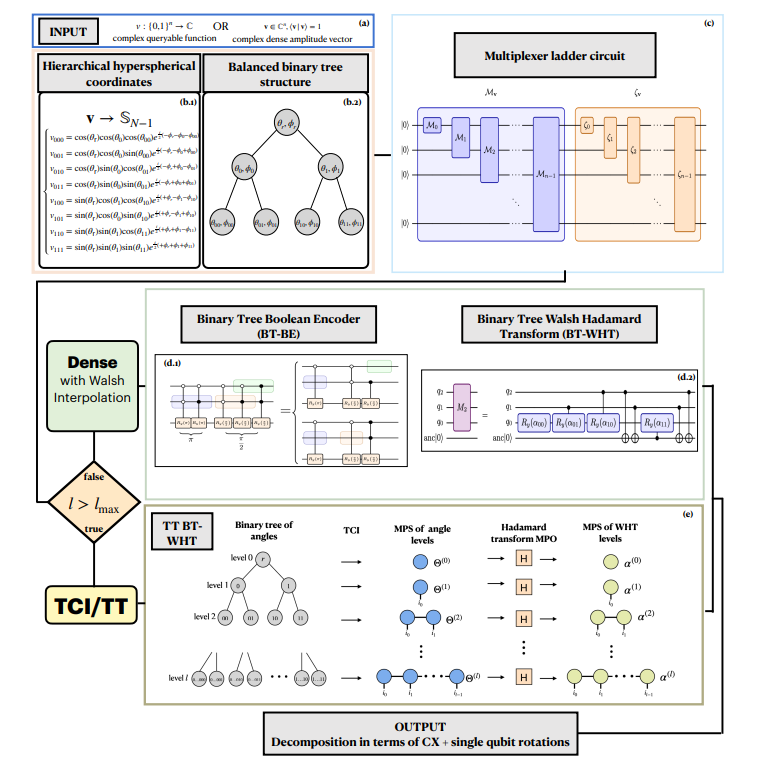
DLR Develops Scalable Unitary Data Encoding Beating Exponential State-Preparation Depth
November 9, 2026
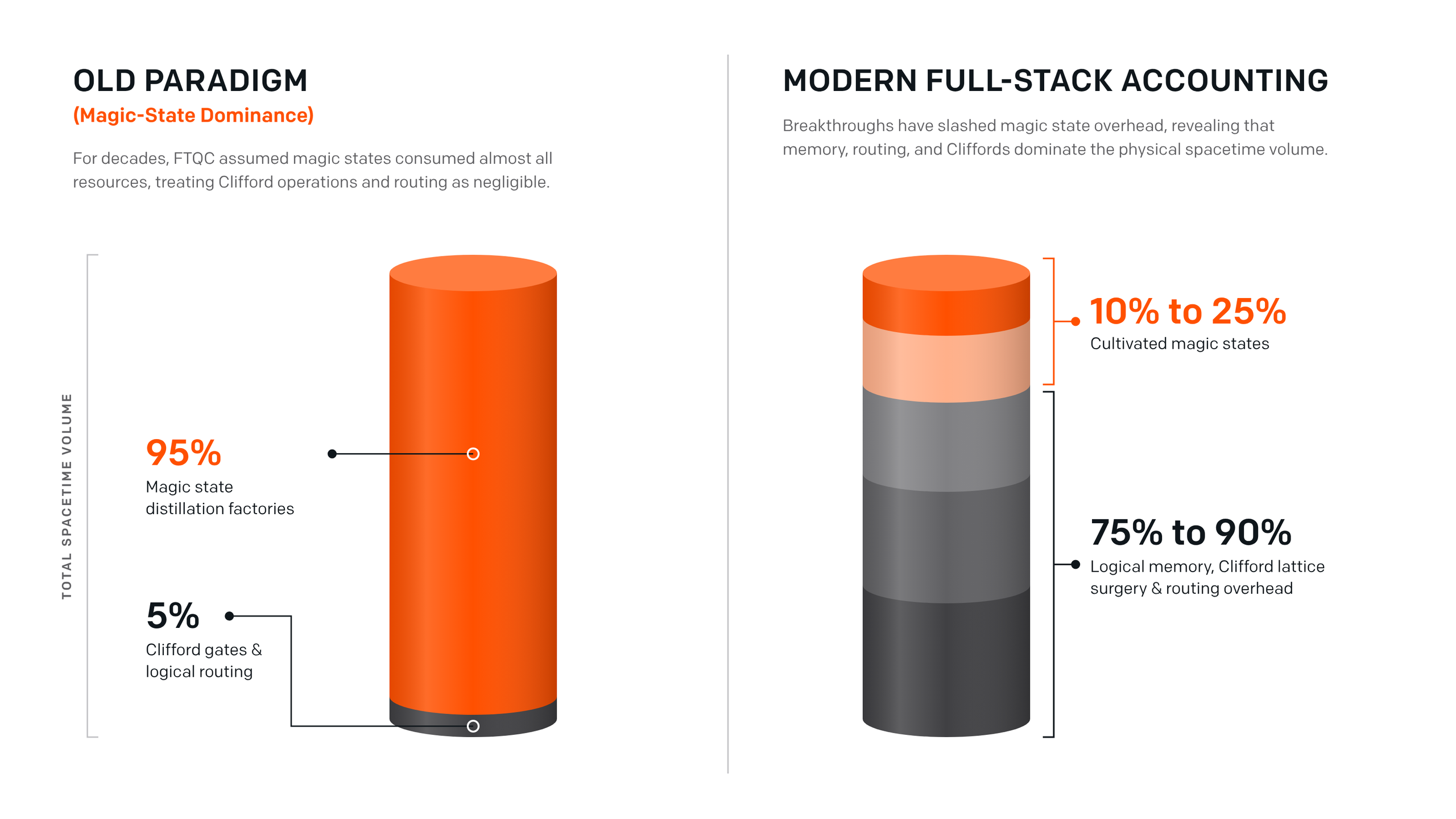
IonQ and Classiq Outline Architectural Trade-Offs in Fault-Tolerant Resource Estimation
November 9, 2026