C12 Adopts QC Design’s Plaquette to Develop Fault-Tolerant Architectures

C12 has announced a partnership with QC Design to integrate the Plaquette design-automation platform into its development roadmap for fault-tolerant quantum computing. Plaquette will enable C12 to simulate and optimize its unique carbon nanotube (CNT) spin-qubit architecture under realistic noise models, simulating over 20 distinct hardware imperfections. This collaboration is specifically aimed at benchmarking Quantum Error-Correcting (QEC) codes, including high-rate Quantum Low-Density Parity-Check (QLDPC) codes, to identify the most efficient error-correction strategies for C12's scalable processors.
The C12 architecture utilizes isotopically purified carbon-12 nanotubes suspended above silicon chips to host spin qubits. This method maximally isolates the qubits from environmental noise, resulting in coherence times two orders of magnitude greater than traditional carbon-based circuits. By incorporating Plaquette, C12's theory teams can quantitatively evaluate how the physical parameters of these nanotubes impact logical qubit performance. The high-connectivity nature of C12's interconnect architecture is considered particularly compatible with the advanced QLDPC codes currently being analyzed within the software.
Based in Paris, C12 has raised over €25 million in funding to advance its materials-science-rooted approach to universal quantum computing. QC Design, headquartered in Ulm, Germany, provides the Plaquette platform as a cost-effective alternative to in-house design software, offering libraries of specialized codes and decoders. This partnership represents a transition for C12 from foundational physics experiments to the rigorous engineering phase required to demonstrate practical logical qubits on a scalable, fault-tolerant system.
For further details on the Plaquette simulation platform and the carbon nanotube roadmap, consult the official announcement here.
March 16, 2026
Related Intelligence

Test of USydney article with HTML.
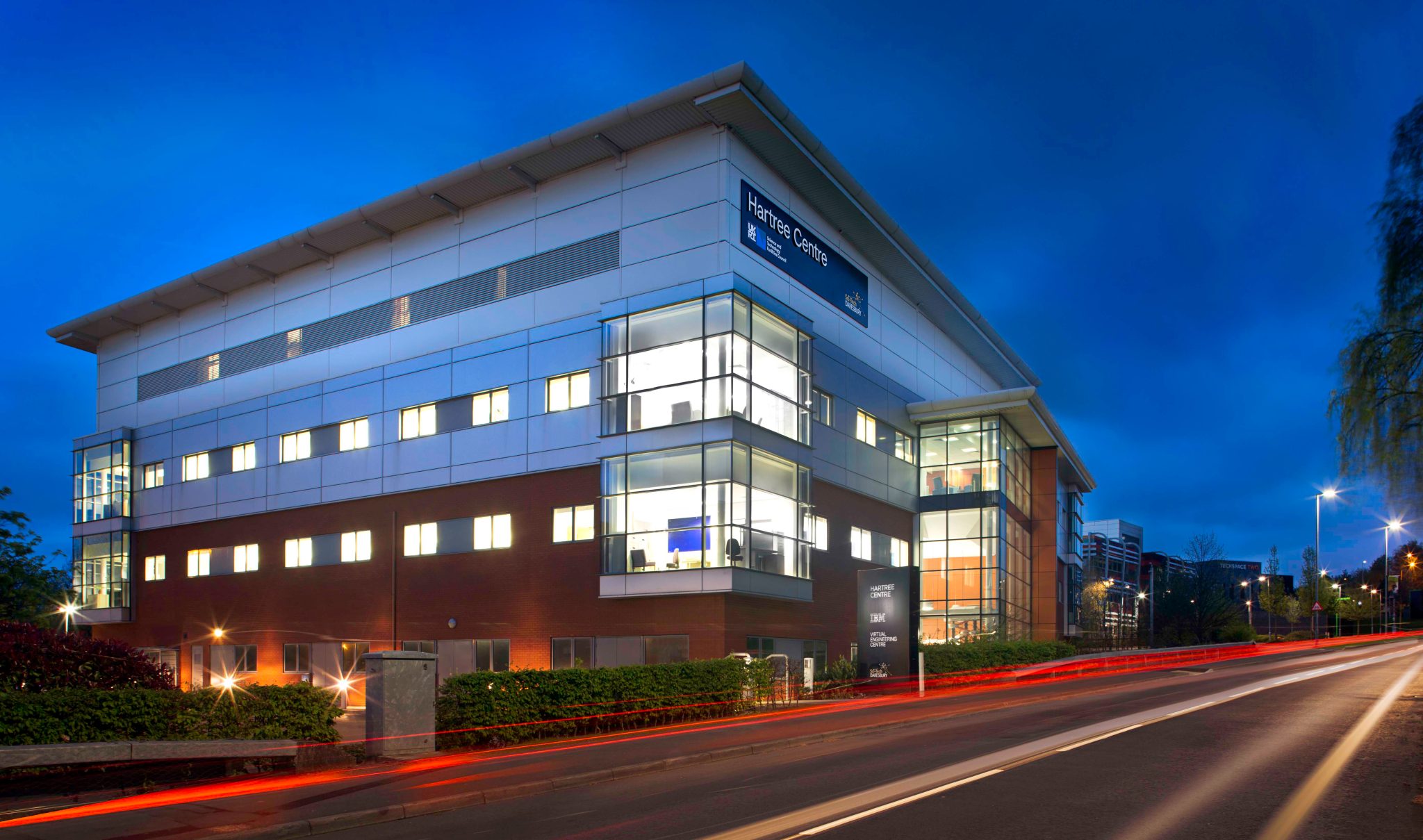
Qoro Quantum Signs MoU with STFC Hartree Centre to Build UK Quantum-HPC Demonstrator
September 12, 2026

Who’s News: Strategic Appointments at Q.ANT, Qtonic Quantum, QuantrolOx, and Leiden Cryogenics
September 12, 2026
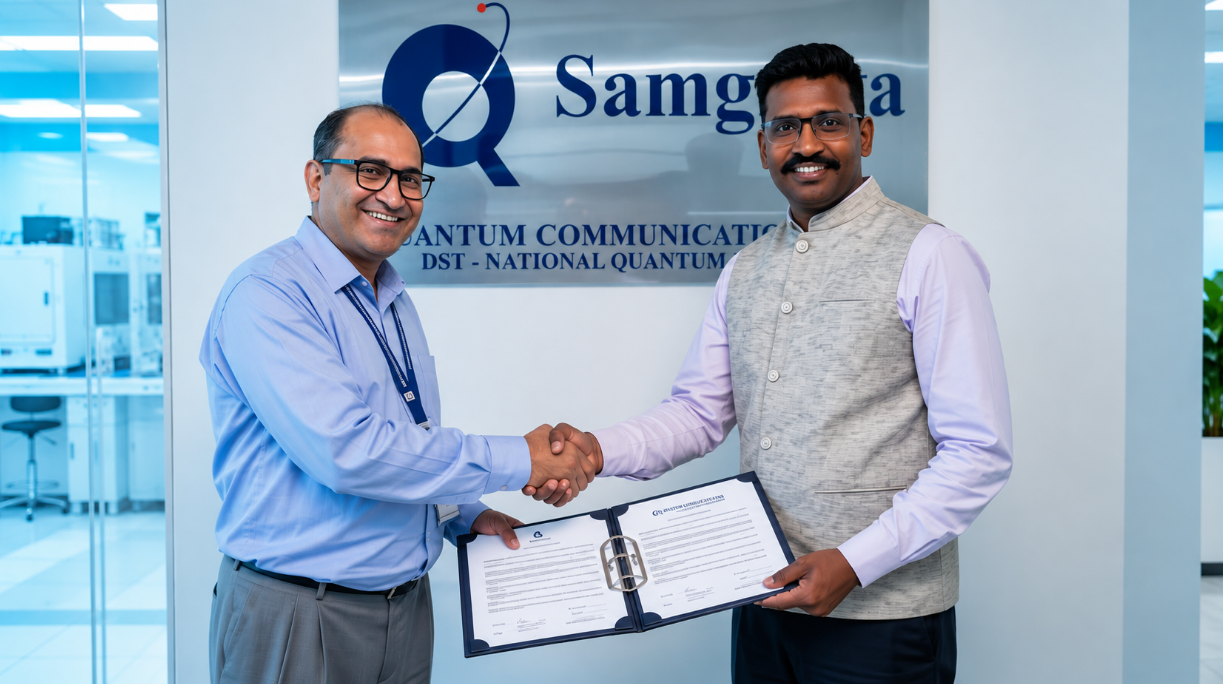
QClairvoyance Quantum Labs Signs MoU with IITM–C-DOT Samgnya Foundation to Advance Indian Quantum Ecosystem
September 12, 2026
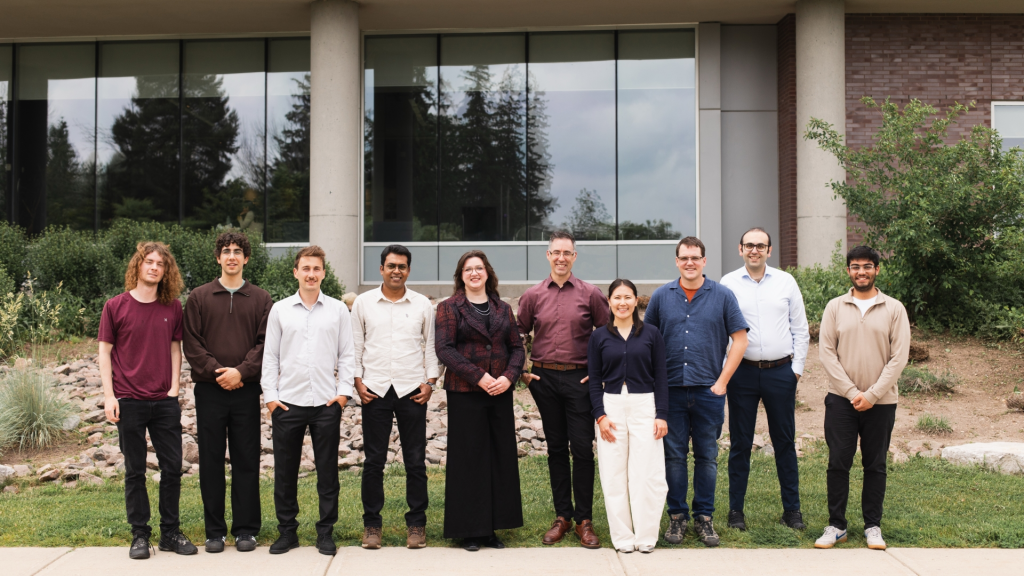
Qubic Secures CA$1.5 Million ($1.08 Million USD) Canadian Federal Contract for Cryogenic Amplifiers
September 12, 2026
SEALSQ Reports H1 2026 Financial Results: Revenue Surges 131% to $11.2M, $486M Cash Balance, and Post-Quantum Hardware Progress
September 11, 2026