Copernic Space and Intrana Engineer Quantum-Resistant Blockchain Layer to Secure Tokenized Space Assets
Commercial space transaction platform Copernic Space has executed a strategic partnership with blockchain infrastructure developer Intrana to construct a quantum-resistant commercial operating layer for tokenized space assets. The defense-grade alliance aims to insulate the emerging Real-World Space Asset (RWSA) marketplace from advanced decryption vulnerabilities linked to future fault-tolerant quantum computers. By injecting National Institute of Standards and Technology (NIST)-standardized Post-Quantum Cryptography (PQC) natively into the genesis layer of the asset ledger, the co-developed ecosystem is designed to establish an impenetrable transaction environment for government agencies, institutional defense funds, and commercial aerospace operators.
The structural upgrade arrives at a critical operational milestone for Copernic Space. Following its successful Moon Mission I payload deployment—which successfully fractionalized and delivered over 1,000 tokenized digital assets to the lunar surface—the company is preparing to activate secondary market trading, settlement, and clearing services. The technical integration ensures that multi-variable space ventures, including satellite data licenses, rocket payloads, orbital high-performance computing (HPC) allocations, and lunar cargo registries, can clear and settle within a quantum-impermeable infrastructure that mitigates the risk of adversarial state-sponsored data harvesting.
                  ┌──► Quantum-Safe Tokenization: NIST-standard PQC mapping for the RWSA registry.
[ Four Strategic ] ┼──► WebAssembly Contracts:    Automated templates for secure payload leasing.
[  Core Pillars  ] ┼──► Cross-Chain Bridges:      SATP frameworks linking to legacy capital markets.
                  └──► Global Token Governance:   Collaborative asset standards with U.S. Space Force.
The joint architecture roadmap prioritizes four operational development pillars to secure the lifecycle of space commerce. First, the core system embeds Intrana's modular PQC layer to protect digital trust anchors against retrospective decryption attacks. Second, the teams are deploying high-performance WebAssembly-based (Wasm) smart contracts to automate secondary market revenue distributions and payload leasing. Third, the ledger utilizes the Secure Asset Transfer Protocol (SATP) to enable cross-network interoperability, allowing quantum-secure space assets to trade with legacy financial institutions. Finally, the entities will co-develop international asset standards, leveraging Intrana's prior regulatory contributions within the National DigiFoundry alongside stakeholders from the U.S. Space Force and U.S. Treasury.
The integration leverages the speed and finality metrics of the underlying Intrana Network to provide long-term cryptographic resilience. Led by Founder and President Court Welty, the crypto-agile ledger achieves a throughput of 5,000 transactions per second (TPS) with 1-second block times, using a three-tier validator topology to deliver immediate, deterministic Byzantine Fault Tolerant (BFT) finality. Under the leadership of CEO Grant Blaisdell, Copernic Space plans to deploy this hardened infrastructure as the definitive global standard for the off-planet digital economy, ensuring that long-lived space assets can clear securely across generations.
The official joint transaction declarations, strategic operational pillars, and cryptographic architecture parameters can be audited via the Copernic Space Corporate Press Room here.
July 1, 2026
Related Intelligence
Test of USydney article with HTML.
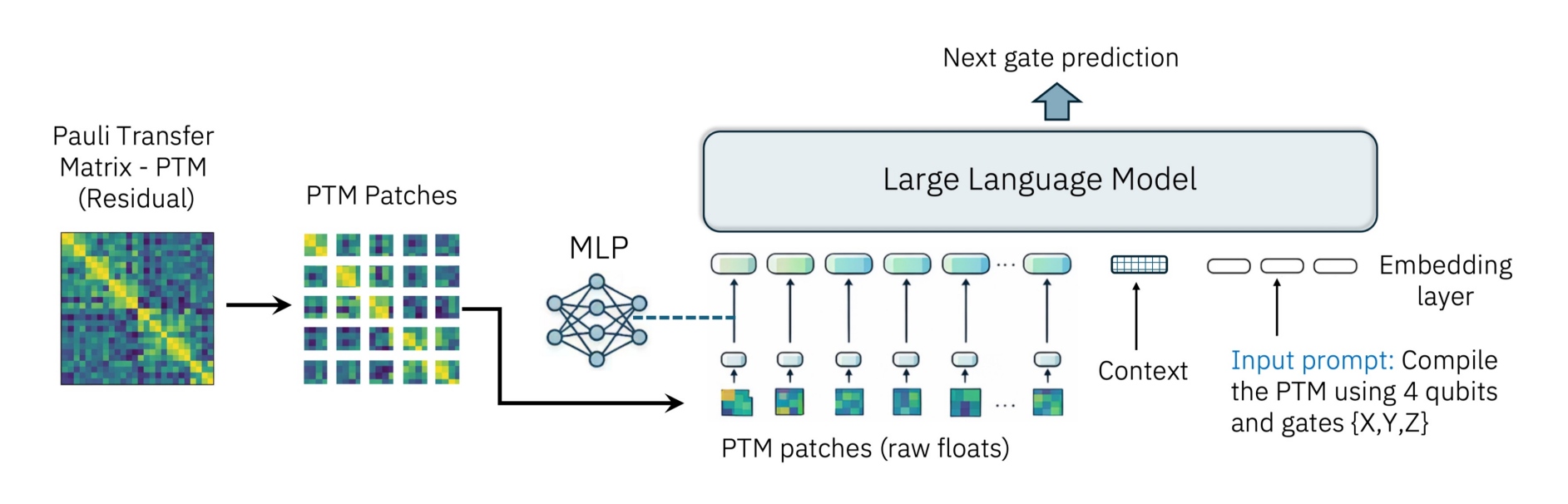
MIT and IBM Project Quantum Unity Operators into Language Model Latent Spaces for Multimodal Circuit Synthesis
July 11, 2026

ETH Zurich Combines Superconducting Qubits with Mechanical Resonators to Build Vibrating Quantum RAM
July 11, 2026
Google and Fraunhofer Launch Global Calls for Early Fault-Tolerant Algorithms and Enterprise Use Cases
July 11, 2026

Who’s News: Strategic Appointments at Photonic, Aliro Quantum, Florida Atlantic University, QuSecure, Quantum Elements, and QAI Ventures
July 11, 2026
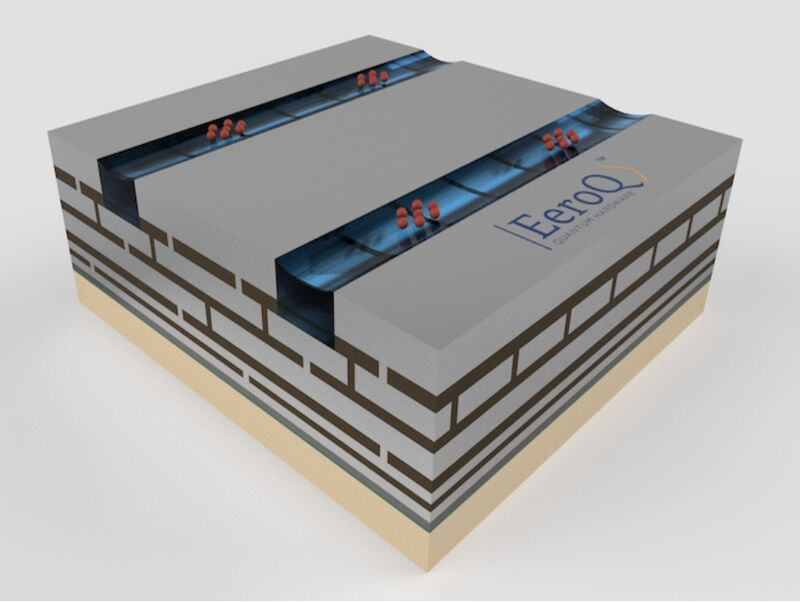
EeroQ Validates CMOS-Controlled Electron Shuttling on Superfluid Helium for All-to-All Qubit Routing
July 11, 2026