D-Wave Launches Gate-Model Simulator Beta Program Featuring 21-Qubit Dual-Rail Erasure Emulation
D-Wave has launched a beta program for its gate-model quantum computing simulator, accessible via its Leap quantum cloud service. …
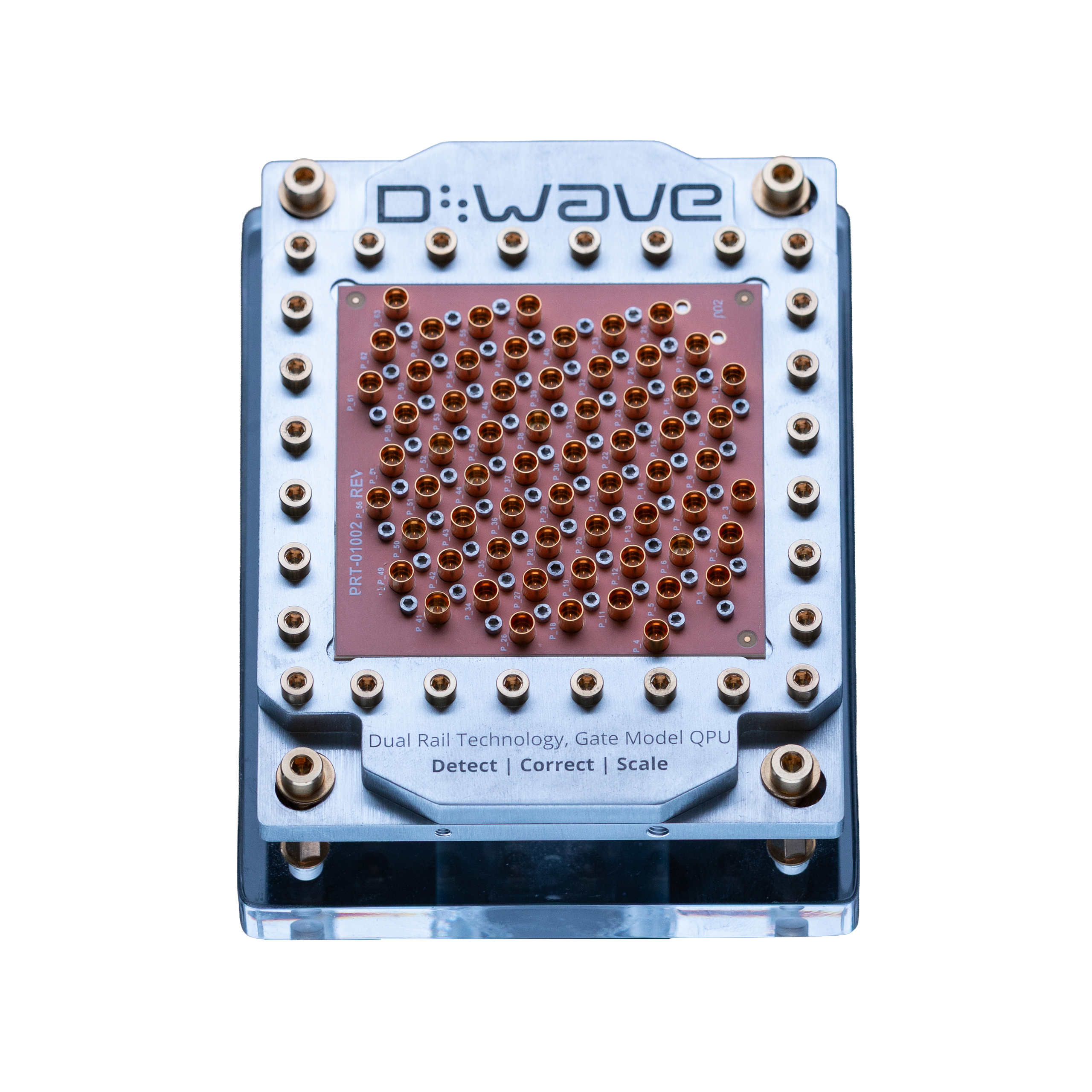
Dual-platform quantum computing provider D-Wave Quantum Inc. (NASDAQ: QBTS) has launched a beta program for its gate-model quantum computing simulator. Accessible via D-Wave’s Leap quantum cloud service and Ocean software development kit (SDK), the simulator provides selected commercial and research organizations with early access to error-aware programming capabilities ahead of general availability and future physical hardware deployments.
According to D-Wave technical specifications, the simulator supports circuit emulation up to 21 qubits operating in two execution modes: an Ideal Mode for rapid algorithm construction and validation, and a Hardware Emulation Mode powered by a Monte Carlo simulation engine to model stochastic, real-time system dynamics and error-detection control flow. The software environment is programmable via the Ocean SDK, D-Wave's Quantum Circuit Description Language (QCDL) API, and Qiskit integrations.
The simulator models D-Wave’s dual-rail superconducting cavity qubit (DRQ) architecture, which leverages hardware-level error detection to convert primary photon-loss events into erasures at known spacetime locations. This erasure-conversion framework enables quantum error correction (QEC) routines to operate with reduced physical-to-logical qubit overhead. The simulator's underlying entangling gate mechanism was validated in peer-reviewed research published in Nature, demonstrating fast, high-fidelity two-qubit operations that preserve erasure-tracking signatures.
[ D-Wave Gate-Model Simulator Technical Specifications & Cohort ] | ||
Technical Domain | Simulator Specification & Access Layer | Cohort Focus & Operational Scope |
• Capacity & Execution Modes | • Up to 21 qubits • Ideal Mode & Hardware Emulation Mode | • Monte Carlo simulation of stochastic real-time quantum dynamics and control flow |
• Underlying Architecture | • Dual-rail superconducting cavity qubit (DRQ) • Hardware-level erasure error tracking | • Evaluates physical noise models, mid-circuit error signals, and real-time QEC control |
• Software & API Integration | • Leap Cloud Platform & Ocean SDK • QCDL API & Qiskit compatibility | • Offers development bundles combining simulator access, QPU time, and technical support |
• Financial Services Cohort | • BBVA & FirstQFM | • Application testing for portfolio optimization, options pricing, fraud detection, and foundation models |
• Research & HPC Cohort | • Jülich Supercomputing Centre (JSC) • Florida Atlantic University (FAU) | • Robustness of quantum machine learning (QML) models under realistic noise; QEC workforce development |
Initial beta participants include financial institutions BBVA and FirstQFM, alongside academic and high-performance computing centers Florida Atlantic University (FAU) and the Jülich Supercomputing Centre (JSC). Program objectives focus on evaluating mid-circuit error detection, testing real-time classical feedback control, and establishing practical design rules for quantum machine learning (QML) algorithms operating under physical hardware noise constraints.
Review the official corporate release on the D-Wave Newsroom here, inspect technical specifications in the D-Wave Gate-Model Simulator Product Sheet here, explore simulator access details via the D-Wave Gate-Model Simulator Portal here, and examine our previous coverage on D-Wave's dual-rail entangling gate breakthrough in Nature here.
October 1, 2026
Related Intelligence

Test of USydney article with HTML.
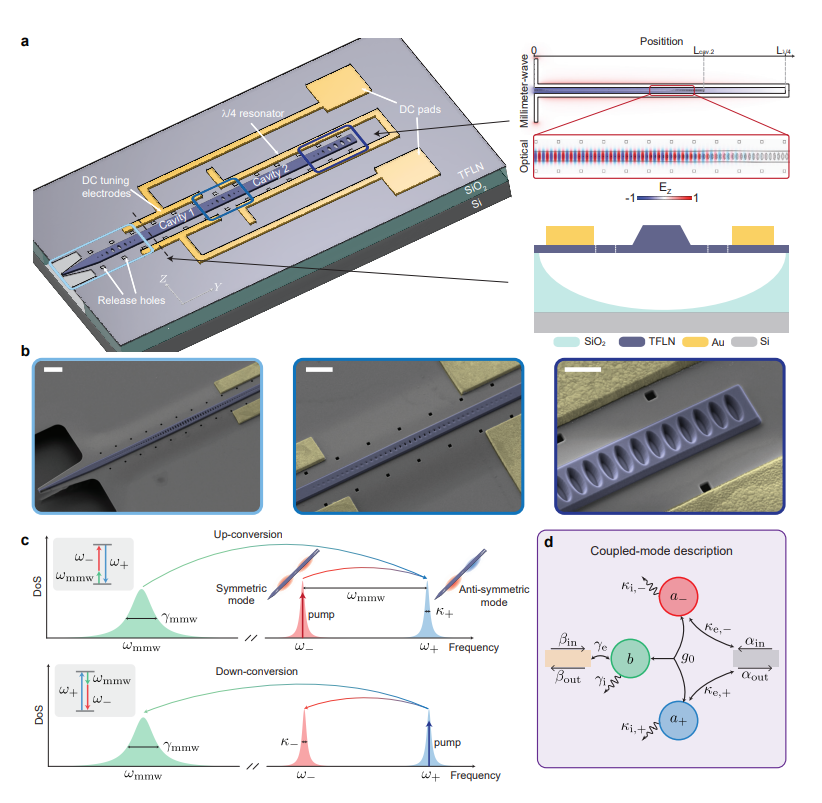
EPFL Demonstrates Millimeter-Wave-to-Optical Transducer with 67% Internal Efficiency
November 10, 2026
Why Quantum Hardware Needs Its Own Threat Model
November 9, 2026
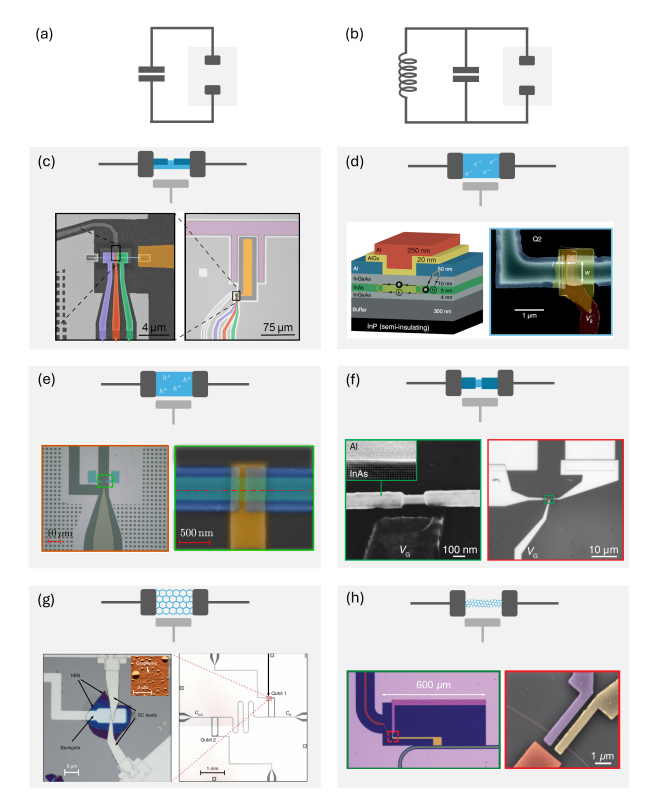
Physics Reports Analysis Evaluates Emergence of Hybrid Semiconductor–Superconducting Qubit Architectures
November 9, 2026
DLR Develops Scalable Unitary Data Encoding Beating Exponential State-Preparation Depth
November 9, 2026
IonQ and Classiq Outline Architectural Trade-Offs in Fault-Tolerant Resource Estimation
November 9, 2026