Diraq and Dell Technologies Partner to Integrate Silicon QPUs with High-Performance Classical Computing
Diraq and Dell Technologies have partnered to integrate silicon spin-qubit quantum processors with classical HPC and AI server infrastructure, with Dell…
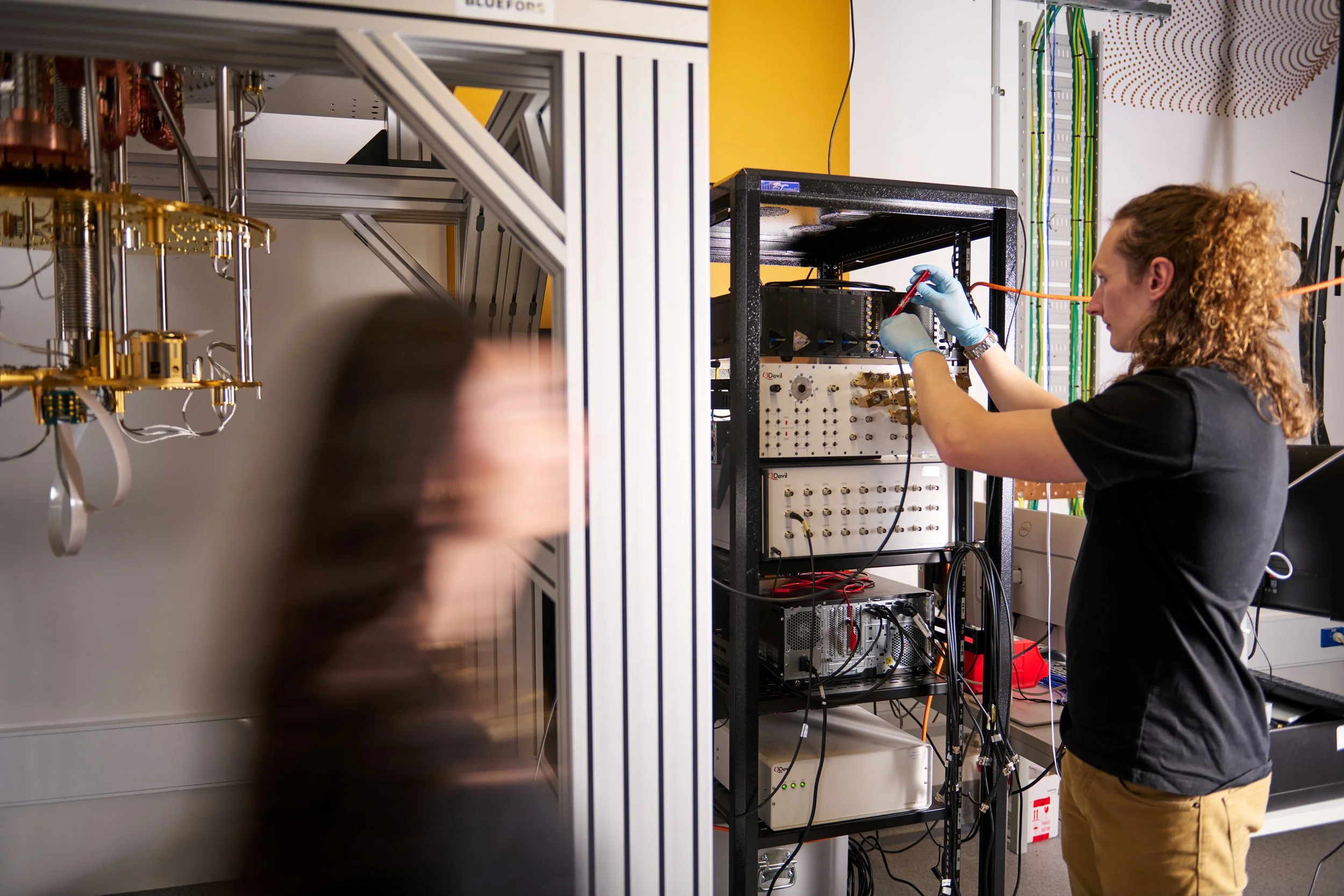
Silicon spin-qubit quantum developer Diraq and enterprise IT hardware leader Dell Technologies have entered into a technical collaboration to integrate silicon quantum processing units (QPUs) with classical High-Performance Computing (HPC) and AI server infrastructure. The initiative addresses co-location and low-latency orchestration barriers to embed quantum accelerators into commercial data centers alongside classical compute architectures.
As part of the active technical testbed, Dell has deployed a dedicated HPC server cluster directly within Diraq’s Sydney laboratory, physically co-located alongside Diraq’s silicon spin quantum hardware. This setup establishes tight physical and high-speed network integration between classical servers and the QPU, minimizing interconnect latency to support real-time execution loops. Initial joint work focuses on hybrid workflow orchestration—adapting Dell software layers to automate real-time qubit calibration, tuning, and near-term quantum error correction (QEC) protocols.
[ Diraq & Dell Technologies Hybrid HPC Integration Architecture ] | ||
Integration Layer | Co-Located Technology Stack | Functional Scope & Objective |
• Physical Hardware Testbed | • Dell HPC Server Cluster co-located in Sydney Lab • Diraq Silicon Spin-Qubit QPU | • Ultra-low latency quantum-classical interconnects • Real-time signal exchange & control testing |
• Orchestration & Control | • Dell Hybrid Task Scheduling Software • Automated Real-Time Qubit Calibration | • Automated measurement processing & feed-forward • QEC loop execution without bespoke models |
• Enterprise Scaling | • CMOS Foundry-Compatible Silicon Processors • Standard Data Center Rack Infrastructures | • Scaling to millions of qubits per chip • Application benchmarking (AI, Drug Discovery) |
Under Diraq Founder & CEO Andrew Dzurak and Dell Global CTO John Roese, the collaboration highlights the structural compatibility between silicon spin-qubit technology—fabricated via standard CMOS semiconductor processes—and standard enterprise computing platforms. The partners are evaluating targeted hybrid applications across large-scale optimization, supply chain logistics, financial portfolio modeling, and AI-accelerated molecular drug discovery pipelines.
Review the technical post on Diraq Newsdesk here.
September 18, 2026
Related Intelligence

Test of USydney article with HTML.
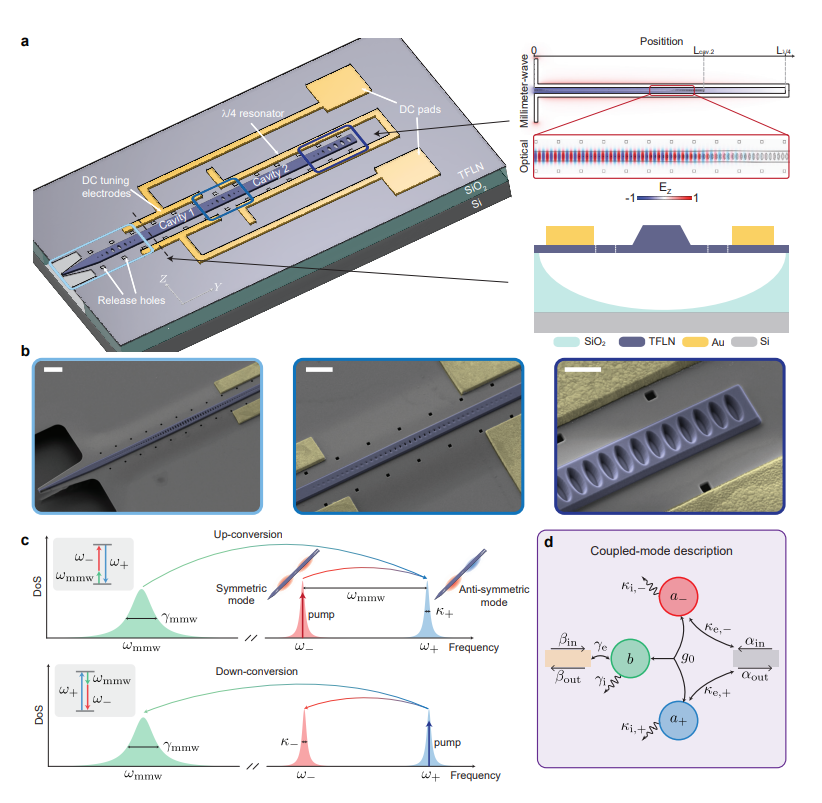
EPFL Demonstrates Millimeter-Wave-to-Optical Transducer with 67% Internal Efficiency
November 10, 2026
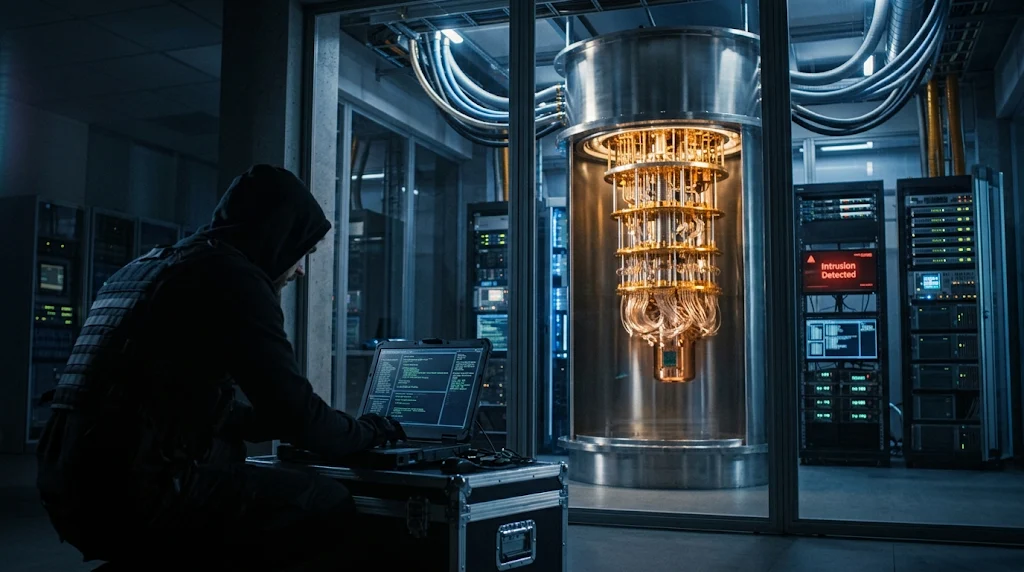
Why Quantum Hardware Needs Its Own Threat Model
November 9, 2026
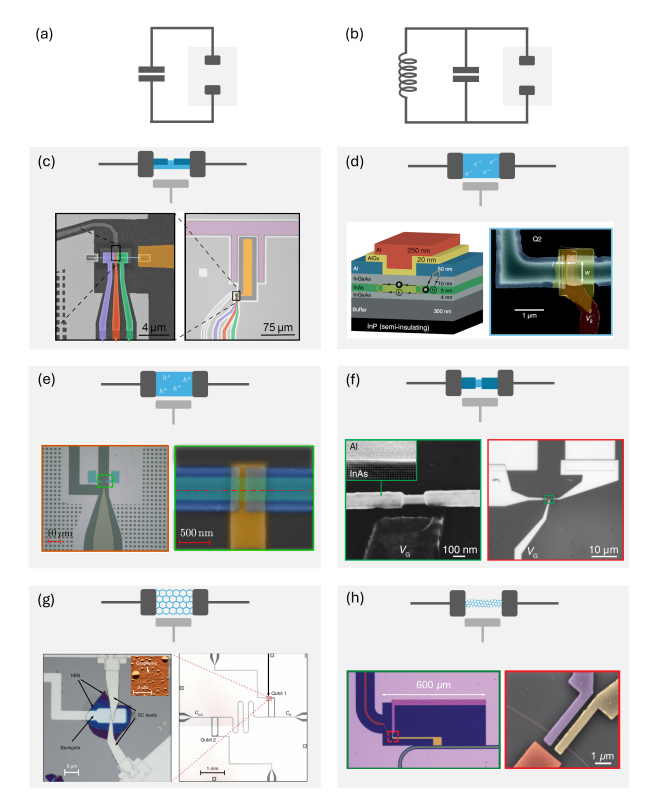
Physics Reports Analysis Evaluates Emergence of Hybrid Semiconductor–Superconducting Qubit Architectures
November 9, 2026
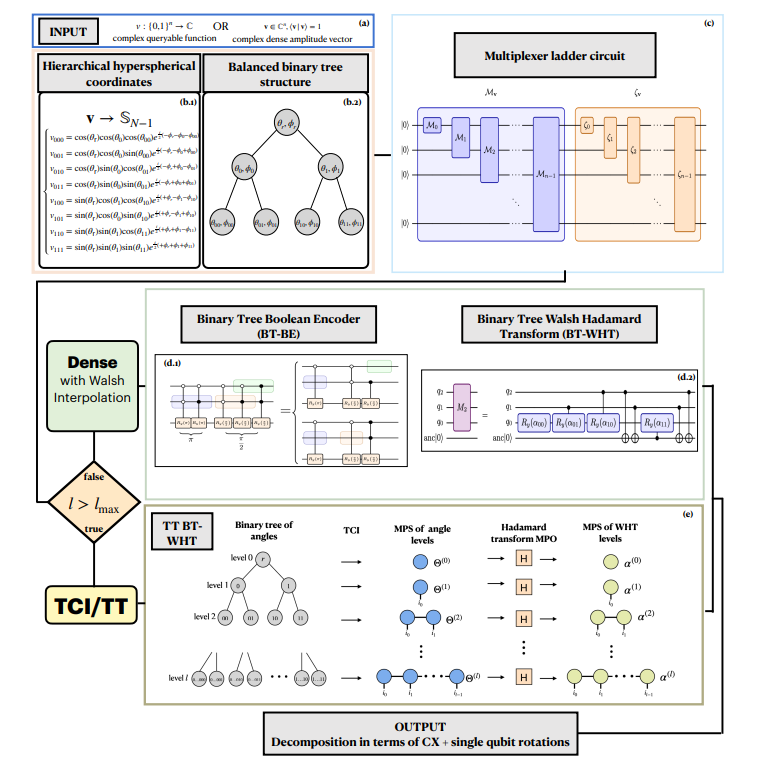
DLR Develops Scalable Unitary Data Encoding Beating Exponential State-Preparation Depth
November 9, 2026
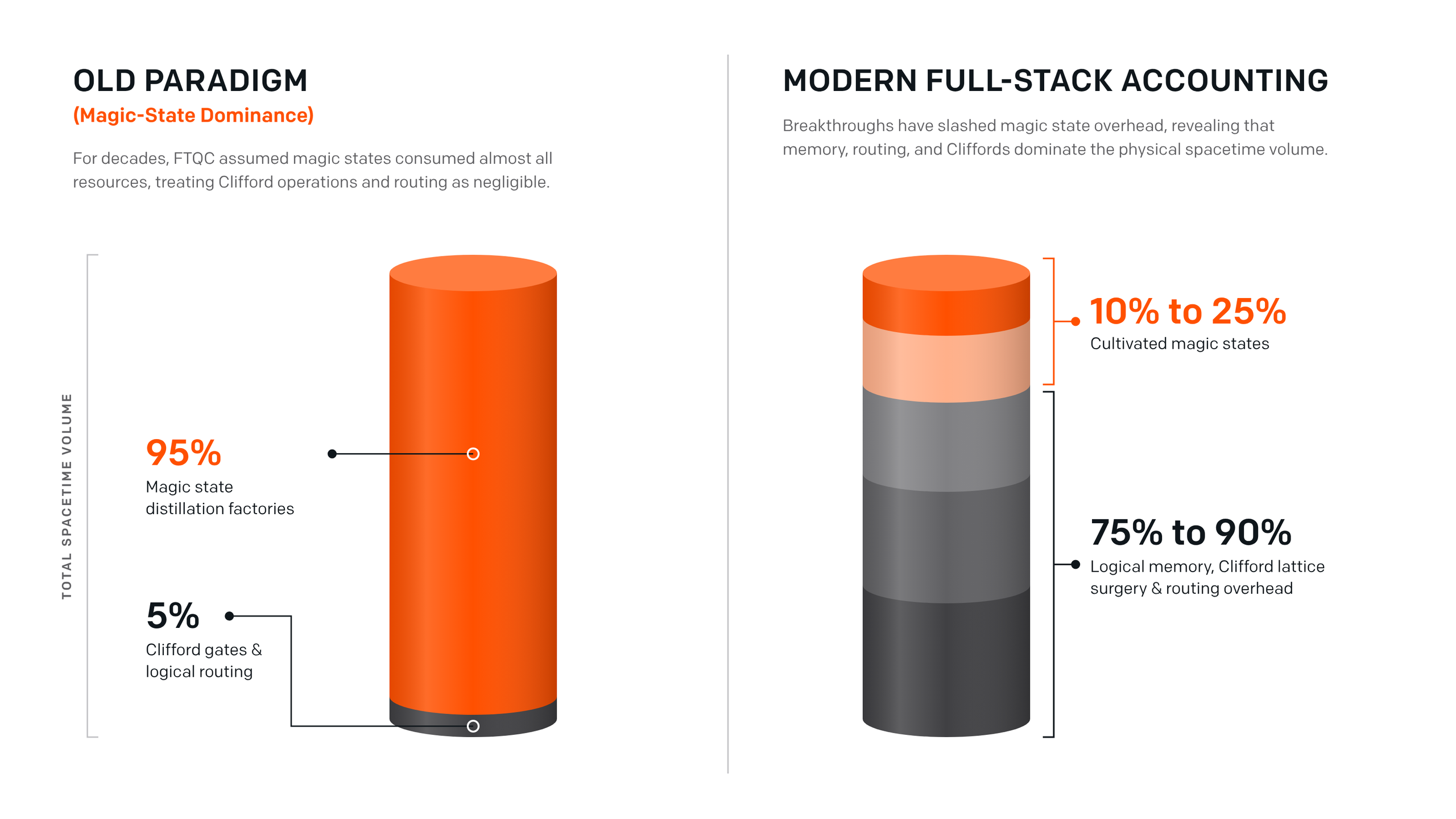
IonQ and Classiq Outline Architectural Trade-Offs in Fault-Tolerant Resource Estimation
November 9, 2026