EigenOrbit Releases Open-Source eigenkit 1.0 for Multi-Backend Quantum Execution
EigenOrbit has released eigenkit 1.0, an open-source Python library. It allows quantum algorithms to be written once and executed across multiple…

Open-source quantum software initiative EigenOrbit has launched eigenkit 1.0, an Apache 2.0-licensed Python library designed to write quantum algorithms once and execute them across multiple simulators and hardware backends without code modification.
Installing via pip install eigenkit, the framework abstracts hardware compilation behind a single provider argument, connecting PyTorch and scikit-learn ML pipelines to eight classical simulators (including NumPy, Qulacs, TensorCircuit, and NVIDIA CUDA-Q) and four QPU hardware access points (IBM Qiskit Runtime, IQM Resonance, Amazon Braket, and Quandela Perceval).
Supported Backends & Execution Frameworks | |
Category | Integrated Providers & Infrastructure |
Simulators (8) | NumPy (built-in, zero dependencies), PennyLane, Qiskit, Qiskit Aer (Dense & MPS), Qulacs, qsim, TensorCircuit, and NVIDIA CUDA-Q. |
QPU Hardware (4) | IBM Quantum (Qiskit Runtime), IQM (Resonance), Amazon Braket, and Quandela Perceval (photonic quantum computing). |
ML & Cost Tools | PyTorch |
The library also includes built-in classical versus quantum benchmarking tools and automated pre-submission cost warnings for billable QPU hardware jobs.
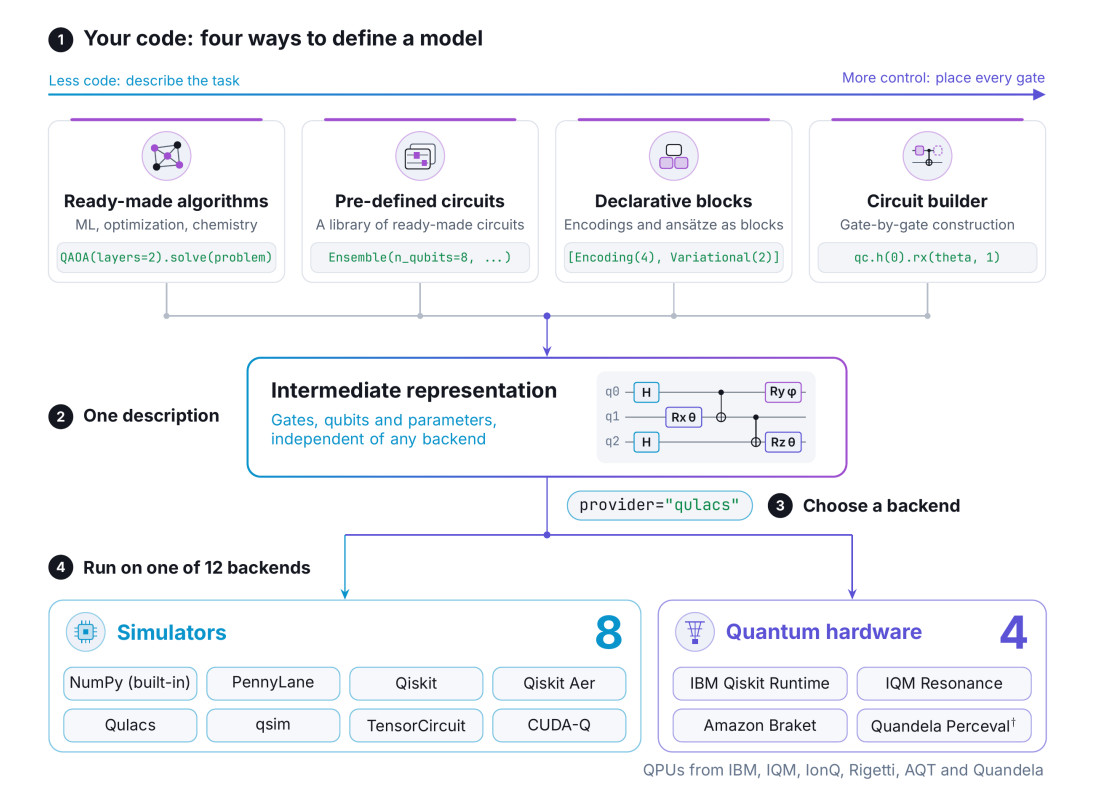
Update (November 3, 2026): The EigenOrbit research team has published the companion technical paper, eigenkit: A Provider-Neutral Quantum Computing Library. The paper details the library's internal intermediate representation (IR) and evaluates topology-dependent routing overheads across IBM Heron r2 (heavy-hexagonal lattice) and IQM Emerald (square lattice) processors.
Review the source repository on GitHub here and examine the developer guidelines in the eigenkit Documentation here.
October 14, 2026 / Updated: November 3, 2026
Related Intelligence

Test of USydney article with HTML.
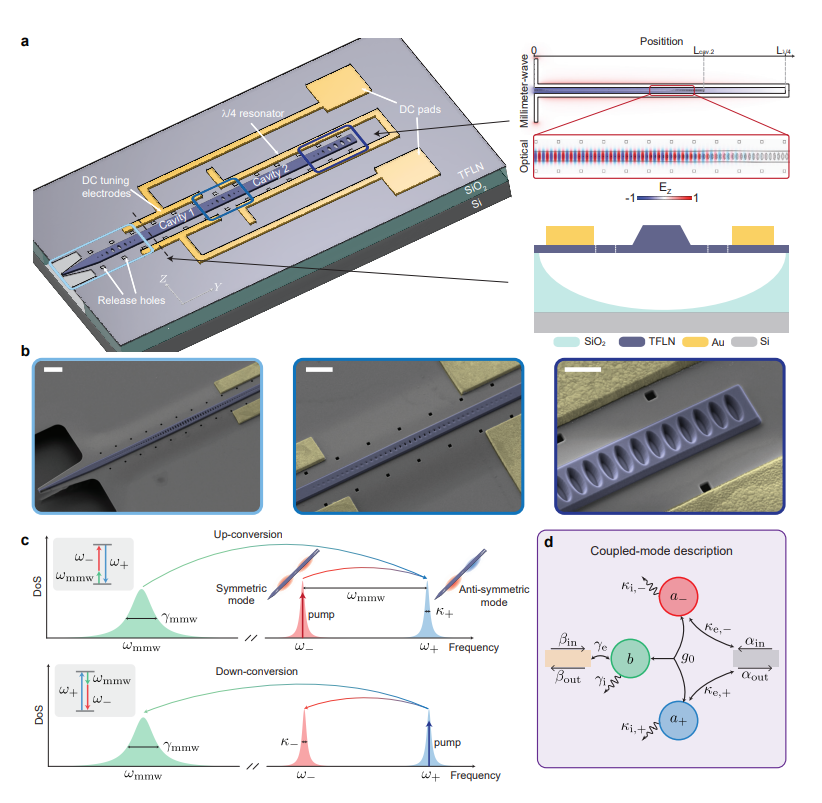
EPFL Demonstrates Millimeter-Wave-to-Optical Transducer with 67% Internal Efficiency
November 10, 2026
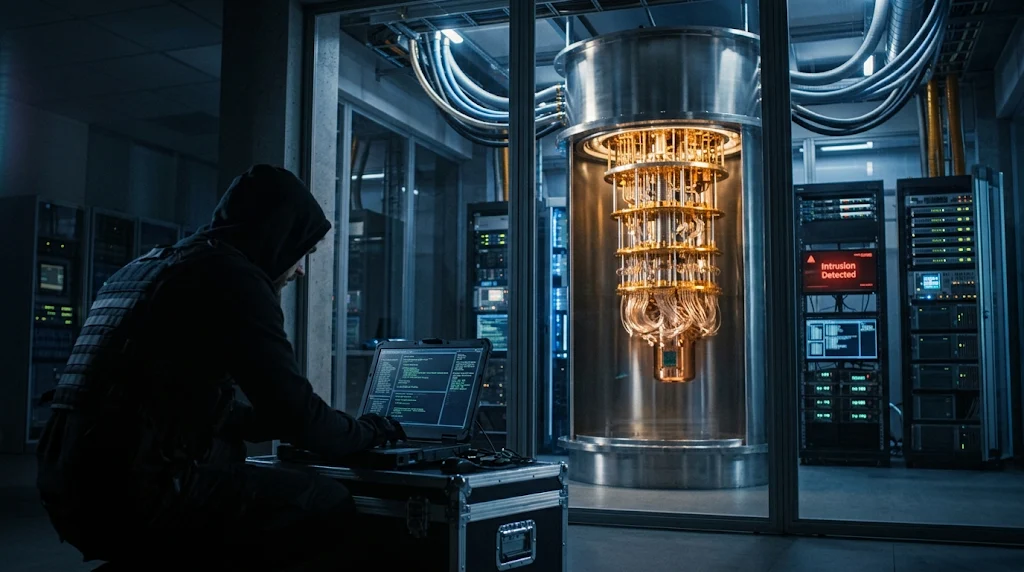
Why Quantum Hardware Needs Its Own Threat Model
November 9, 2026
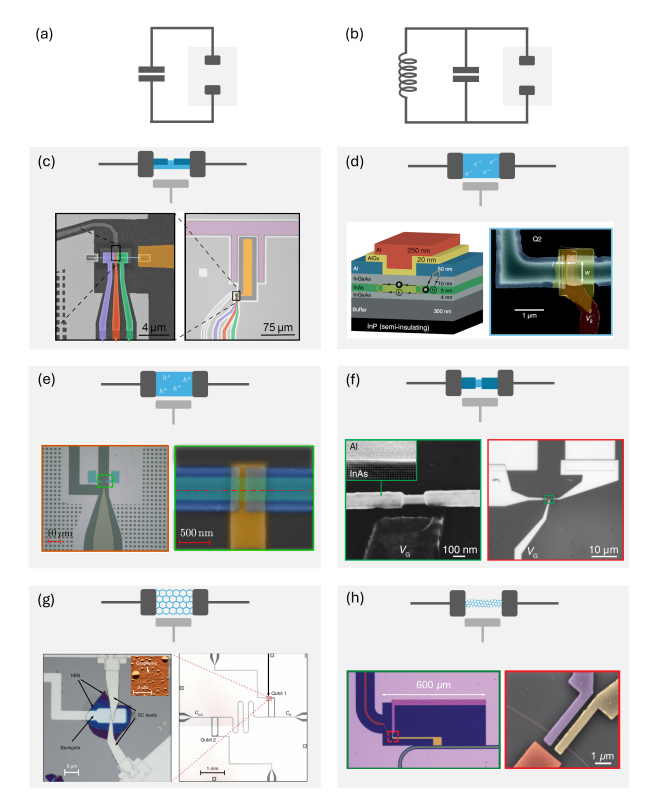
Physics Reports Analysis Evaluates Emergence of Hybrid Semiconductor–Superconducting Qubit Architectures
November 9, 2026
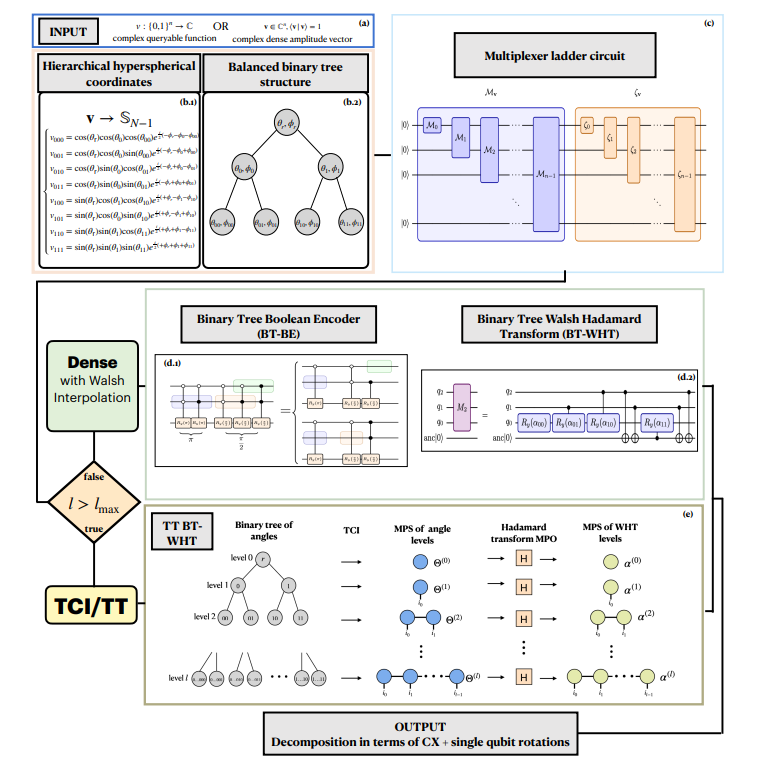
DLR Develops Scalable Unitary Data Encoding Beating Exponential State-Preparation Depth
November 9, 2026
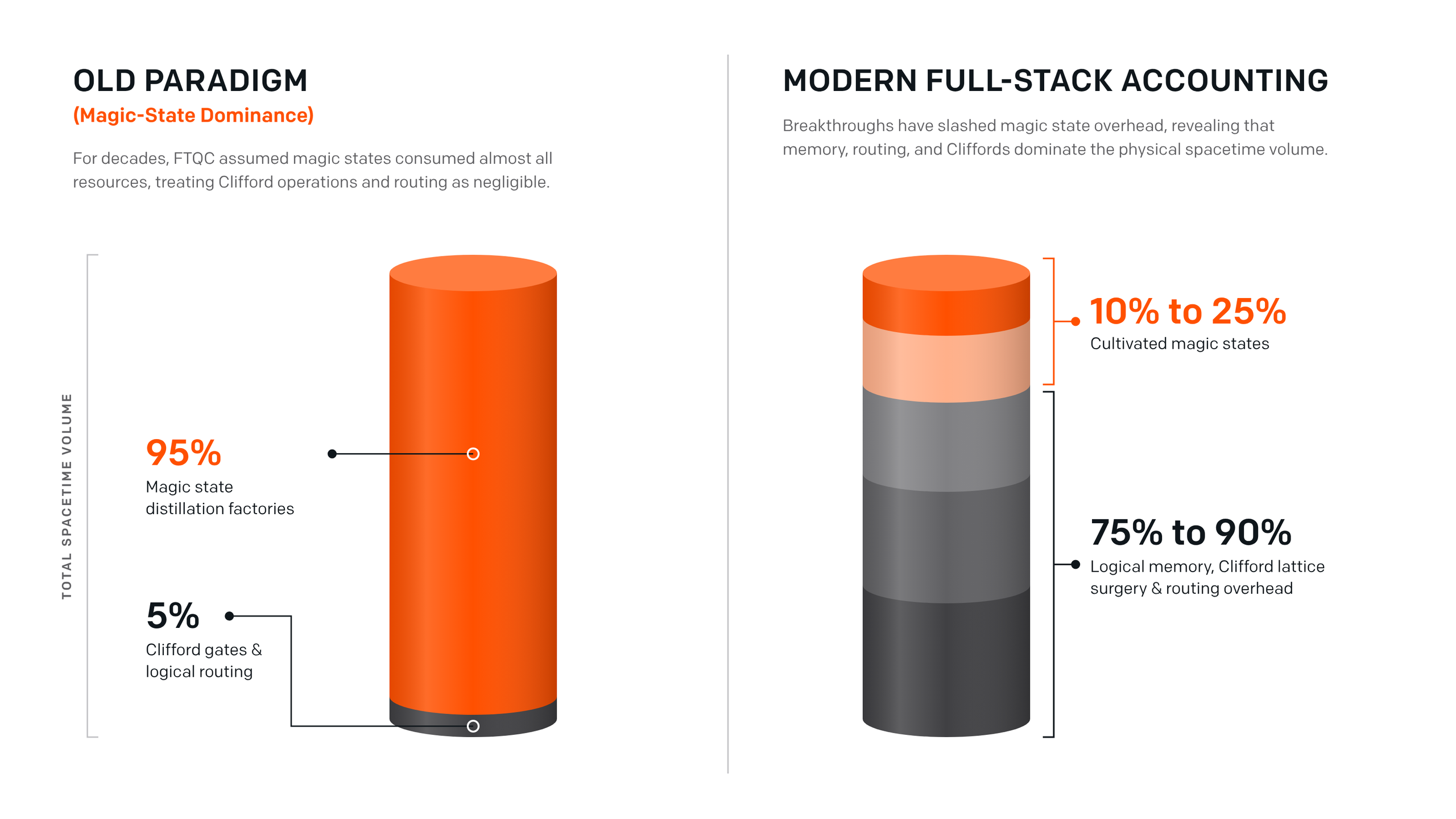
IonQ and Classiq Outline Architectural Trade-Offs in Fault-Tolerant Resource Estimation
November 9, 2026