EPFL Integrates Quantinuum Trapped-Ion Cloud Access into SCITAS HPC Platform
The EPFL Center for Quantum Science and Engineering (QSE), in collaboration with EPFL’s SCITAS high-performance computing (HPC) platform, has partnered…

The EPFL Center for Quantum Science and Engineering (QSE), in collaboration with EPFL’s SCITAS high-performance computing (HPC) platform, has partnered with Quantinuum to provide cloud-based access to Quantinuum’s trapped-ion quantum computers. The agreement establishes EPFL as the first Swiss academic institution to natively integrate commercial QPU access directly into its institutional supercomputing infrastructure.
                  [ EPFL SCITAS Hybrid Quantum-HPC Platform ]
                                       │
     ┌─────────────────────────────────┴─────────────────────────────────┐
     ▼                                                                   ▼
  SCITAS HPC Infrastructure Interface                   Quantinuum Cloud QPU Hardware
  • Unified Academic Queue & Auth Workflow.             • High-Fidelity Trapped-Ion Processors.
  • Integrated Digital Quantum Simulations.             • Low Decoherence & High Gate Fidelity.
  • Native Integration for EPFL Researchers.            • Digital Quantum & Many-Body Simulations.
The partnership allows EPFL research groups to execute quantum algorithms, digital quantum simulations, and many-body physics calculations without navigating separate external management workflows:
Research Applications: EPFL groups led by Prof. Giuseppe Carleo (Computational Quantum Science Laboratory) and Prof. Zoë Holmes (Quantum Information and Computing Group) are deploying the hardware to explore complex many-body quantum simulations and evaluate practical quantum algorithmic limits.
SCITAS Integration: Developed alongside SCITAS Operational Director Gilles Fourestey, the integration allows researchers to submit hybrid classical-quantum jobs directly through familiar HPC batch job interfaces.
Workforce & Academic Curriculum: Led by QSE Academic Director Prof. Vincenzo Savona and Master's Program Co-Director Prof. Nicolas Macris, EPFL plans to extend hardware access to students enrolled in its Master’s program in Quantum Science and Engineering for hands-on circuit design and QPU execution.
Review the official announcement on EPFL News here.
August 14, 2026
Related Intelligence

Test of USydney article with HTML.
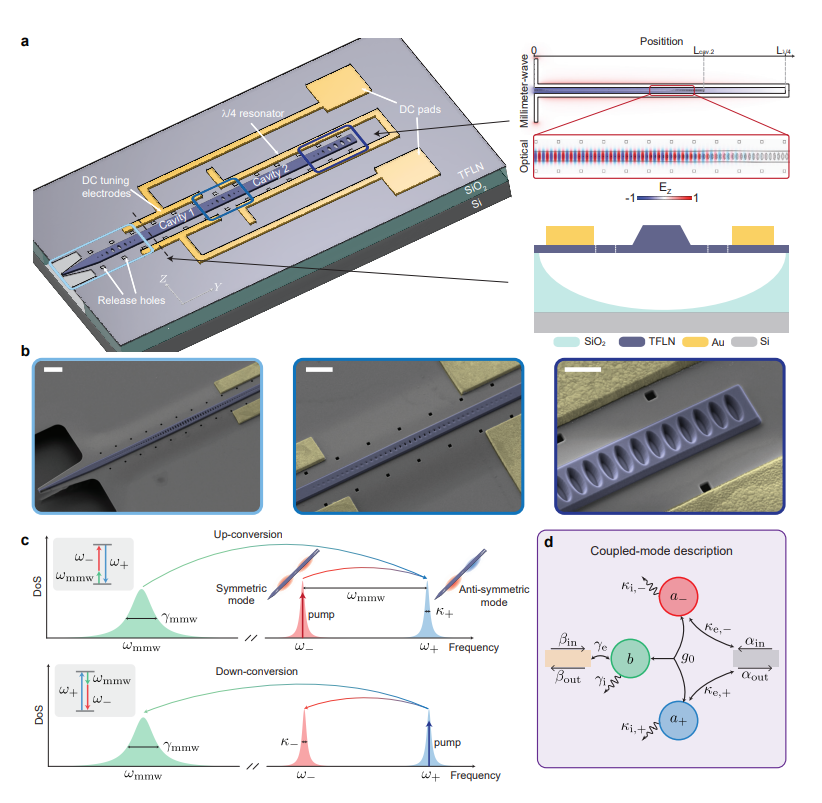
EPFL Demonstrates Millimeter-Wave-to-Optical Transducer with 67% Internal Efficiency
November 10, 2026
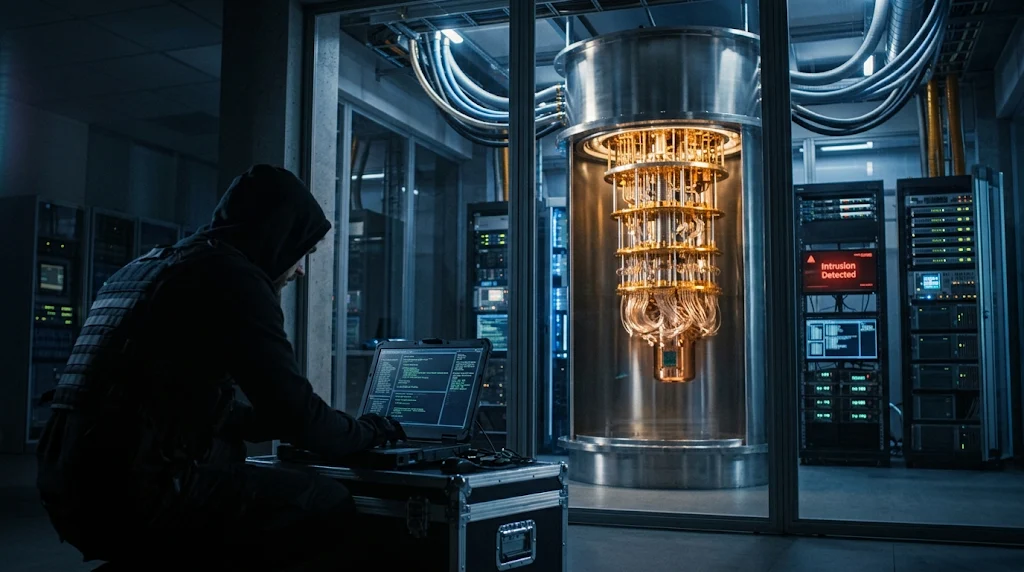
Why Quantum Hardware Needs Its Own Threat Model
November 9, 2026
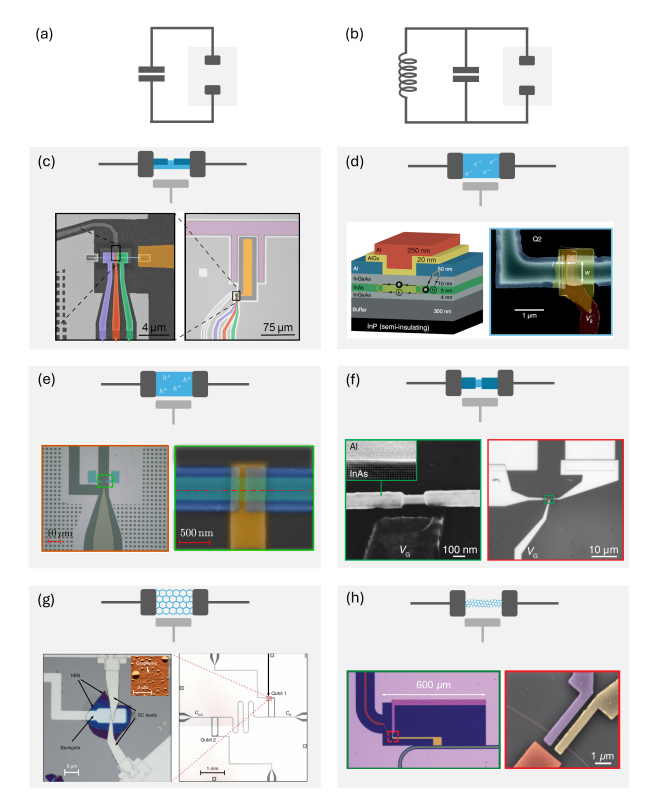
Physics Reports Analysis Evaluates Emergence of Hybrid Semiconductor–Superconducting Qubit Architectures
November 9, 2026
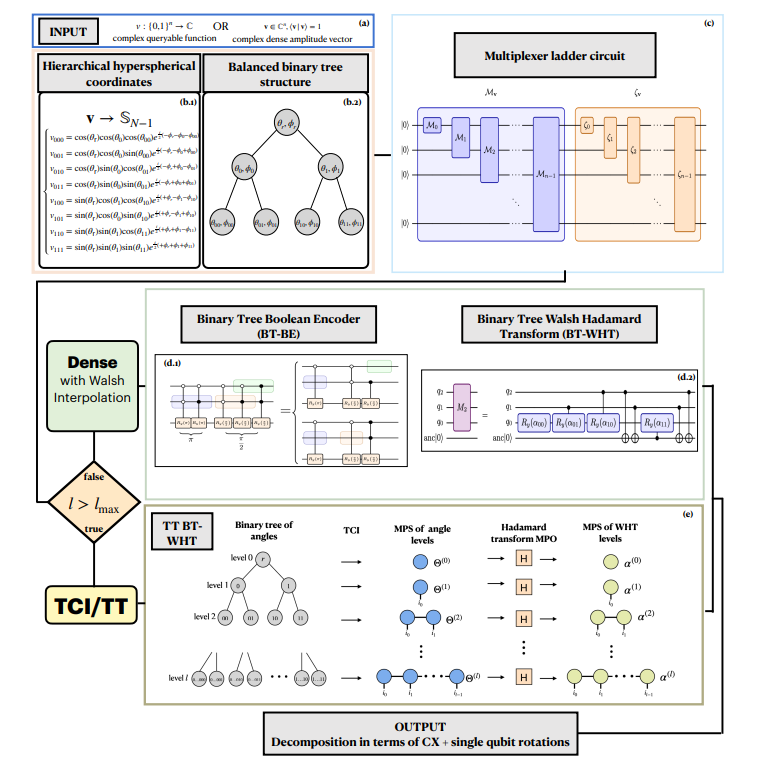
DLR Develops Scalable Unitary Data Encoding Beating Exponential State-Preparation Depth
November 9, 2026
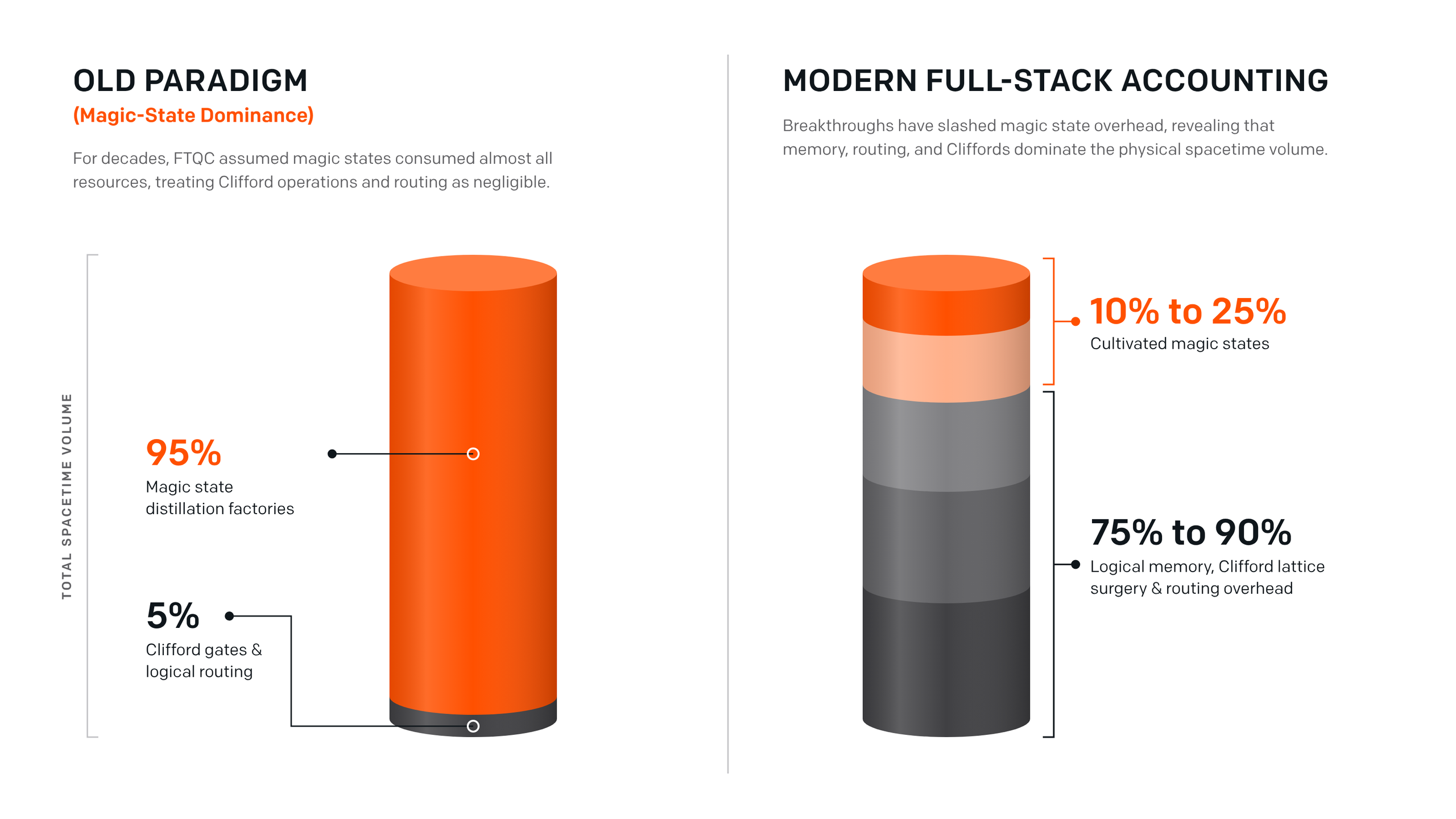
IonQ and Classiq Outline Architectural Trade-Offs in Fault-Tolerant Resource Estimation
November 9, 2026