Ericsson Canada and ÉTS Partner to Develop Scalable Variational Quantum Algorithms for Telecom Network Optimization
Ericsson Canada and ÉTS are collaborating on a research project to develop scalable quantum algorithms for telecom network optimization. …

Telecommunications infrastructure provider Ericsson Canada and Montreal engineering institution École de technologie supérieure (ÉTS) have entered into a research collaboration to develop scalable quantum algorithms for telecommunications network operations. Supported by Canada's national research organization Mitacs via the Mitacs Accelerate program, the initiative focuses on advancing variational quantum algorithms (VQAs) to optimize dynamic routing, traffic scheduling, and resource allocation across telecommunications networks.
The project, titled “Toward Scalable Variational Quantum Algorithms: A Dissipative Approach to Mitigation and Optimization,” is led by Professor Jacob Biamonte at ÉTS alongside researchers from the Ericsson Quantum Program. The research team is investigating open quantum systems and dissipative engineering methods to mitigate noise-induced barren plateaus and improve convergence in parameterized quantum circuits running on near-term hardware and digital emulators.
[ Ericsson Canada & ÉTS Quantum Research Initiative Overview ] | ||
Project Domain | Institutional & Technical Scope | Core Focus & Practical Objective |
• Research Collaboration | • Ericsson Canada & ÉTS (Montreal, Quebec) | • Industry-academic partnership funded via Mitacs Accelerate. |
• Principal Investigator | • Prof. Jacob Biamonte (ÉTS) | • Focus on variational quantum algorithms, error mitigation, and dissipative systems. |
• Technical Focus | • Dissipative approach to VQA optimization | • Overcoming barren plateaus and hardware noise in combinatorial telecom workloads. |
• Ecosystem Integration | • Ericsson Montreal Quantum Research Hub | • Second Mitacs-funded academic project alongside Université de Sherbrooke. |
Mitigating Hardware Noise via Dissipative Variational Protocols
While variational quantum algorithms are widely considered a leading candidate for demonstrating utility on noisy intermediate-scale quantum (NISQ) processors, their performance in combinatorial optimization is often limited by barren plateaus and accumulation of incoherent noise. By incorporating controlled dissipative dynamics into the ansatz design, the research team aims to stabilize optimization trajectories and prevent premature gradient vanishing during classical-quantum hybrid loops.
The initiative marks the second academic project under the Ericsson Canada Quantum Research Hub in Montreal since its founding in 2022, complementing the company's ongoing quantum communication and distributed processing collaborations with the Université de Sherbrooke. Graduate students and postdoctoral researchers at ÉTS will work directly on physical quantum hardware backends to evaluate algorithm performance against classical telecom benchmarks.
Review the official partnership announcement on the Ericsson Newsroom here and examine research details on the Mitacs Announcement Portal here.
October 23, 2026
Related Intelligence

Test of USydney article with HTML.
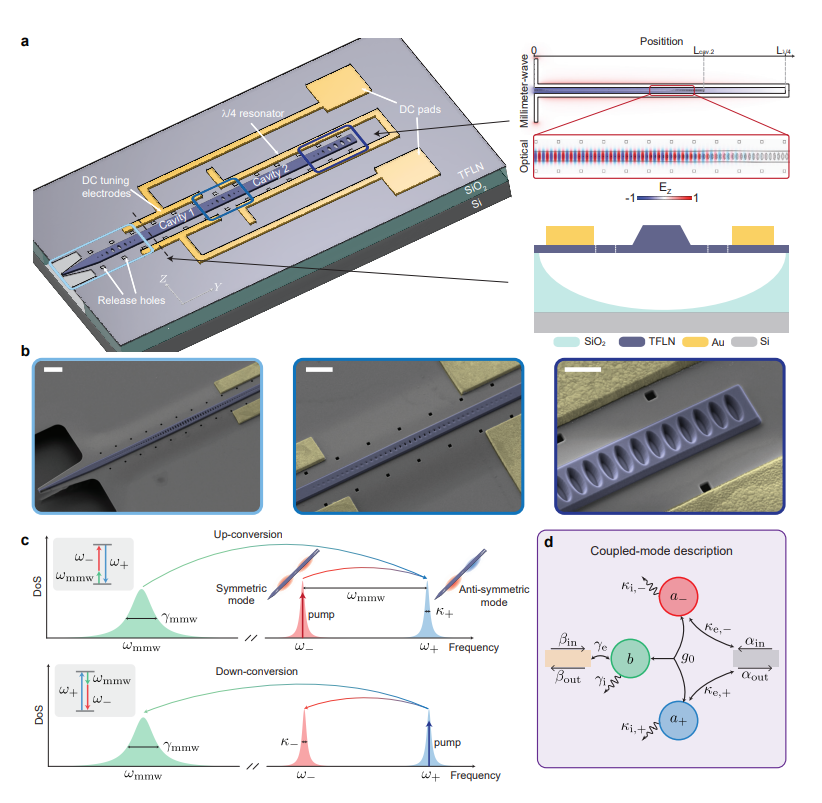
EPFL Demonstrates Millimeter-Wave-to-Optical Transducer with 67% Internal Efficiency
November 10, 2026

Why Quantum Hardware Needs Its Own Threat Model
November 9, 2026
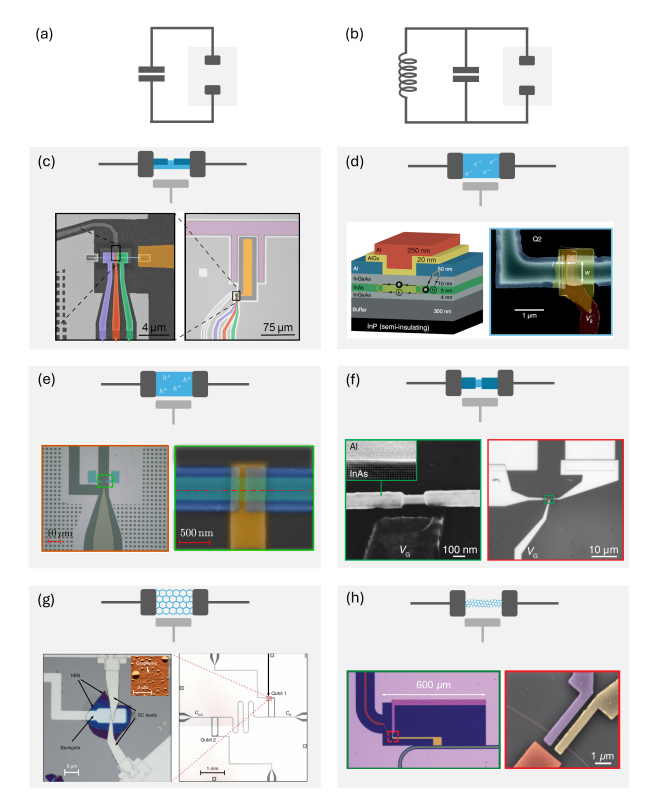
Physics Reports Analysis Evaluates Emergence of Hybrid Semiconductor–Superconducting Qubit Architectures
November 9, 2026
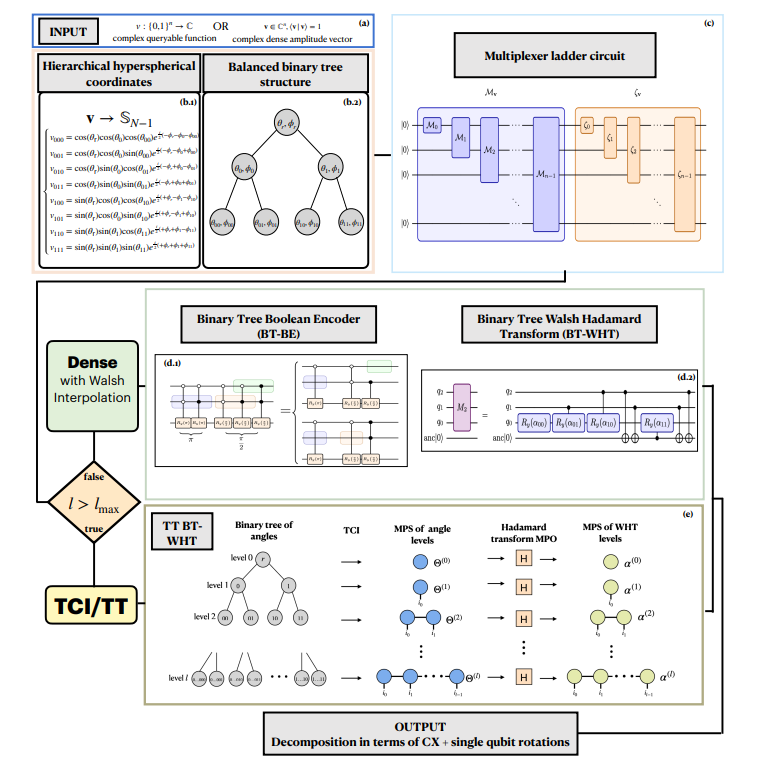
DLR Develops Scalable Unitary Data Encoding Beating Exponential State-Preparation Depth
November 9, 2026
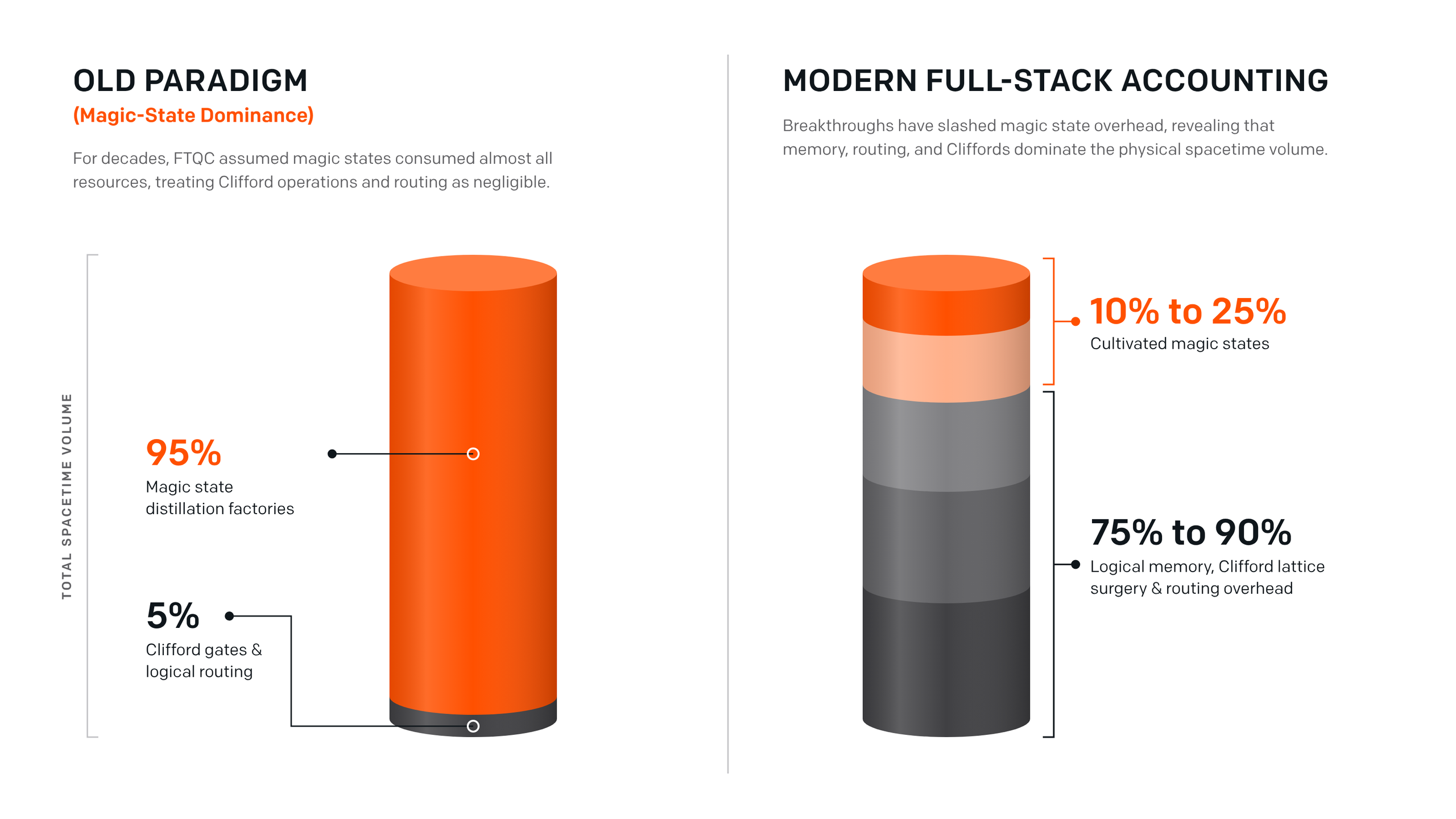
IonQ and Classiq Outline Architectural Trade-Offs in Fault-Tolerant Resource Estimation
November 9, 2026