Florida State University Launches Florida’s First Graduate Certificate in Quantum Information Science & Technology
Florida State University (FSU) has announced the launch of Florida’s first formal graduate credential in quantum information science and engineering: the…

Florida State University (FSU) has announced the launch of Florida’s first formal graduate credential in quantum information science and engineering: the Graduate Certificate in Quantum Information Science & Technology (QIST). Administered by the FSU Quantum Initiative, the 14-credit-hour interdisciplinary program is accepting applications through October 1, 2026, for its inaugural Spring 2027 enrollment cohort.
The program bridges departments across the FSU College of Arts and Sciences and the FAMU-FSU College of Engineering—including Physics, Chemistry & Biochemistry, Computer Science, Mathematics, Materials Science & Engineering, Electrical & Computer Engineering, and Mechanical & Aerospace Engineering—to train graduate students and industry professionals across quantum materials, low-temperature device packaging, and quantum algorithm design.
                  [ FSU QIST Graduate Certificate Ecosystem ]
                                       │
     ┌─────────────────────────────────┼─────────────────────────────────┐
     ▼                                 ▼                                 ▼
  Core Academic Curriculum          Specialized Research Facilities    Industry & Center Networks
  • Mandatory Quantum Computing.   • National MagLab (High Fields).    • Commercial Partnerships (IonQ).
  • 3 Advanced Technical Electives. • Interdisciplinary Research Bldg. • Hardware Integration (Qblox, Keysight).
  • QSE Research Seminars.         • Cleanroom & Cryogenic Dilution.   • Quantum Software Labs (Amazon).
Program structure and institutional research assets include:
Curriculum Requirements: A 14-credit-hour framework comprising a mandatory core course in Quantum Information and Computing (3 credits), three specialized STEM electives (9 credits), and two semesters of the Quantum Science & Engineering Seminar (2 credits).
Research Infrastructure Access: Enrolled students gain direct access to the National High Magnetic Field Laboratory (MagLab) and the newly constructed Interdisciplinary Research & Commercialization Building (IRCB), which houses cleanroom nanofabrication suites and sub-Kelvin dilution refrigerators for quantum device testing.
Faculty & Industry Expansion: Supported by FSU’s recent cluster hire of ten quantum-focused faculty members, the program integrates collaborative channels with commercial quantum partners, including IonQ, Amazon, Qblox, QuantrolOx, and Keysight.
Led by FSU Vice President for Research Stacey S. Patterson, FSU Quantum Initiative Director Michael Shatruk, and Deans Sam Huckaba and Suvranu De, the credential establishes a dedicated workforce development pipeline within Florida's expanding tech sector.
Review program details via FSU Quantum Initiative here, and read the official announcement on FSU News here.
August 14, 2026
Related Intelligence

Test of USydney article with HTML.
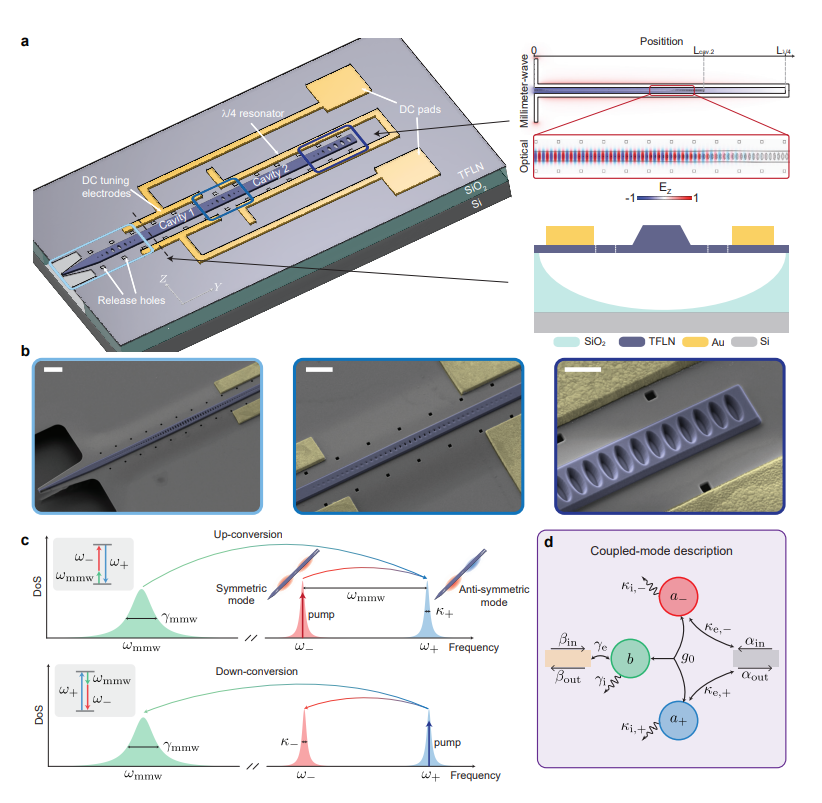
EPFL Demonstrates Millimeter-Wave-to-Optical Transducer with 67% Internal Efficiency
November 10, 2026

Why Quantum Hardware Needs Its Own Threat Model
November 9, 2026
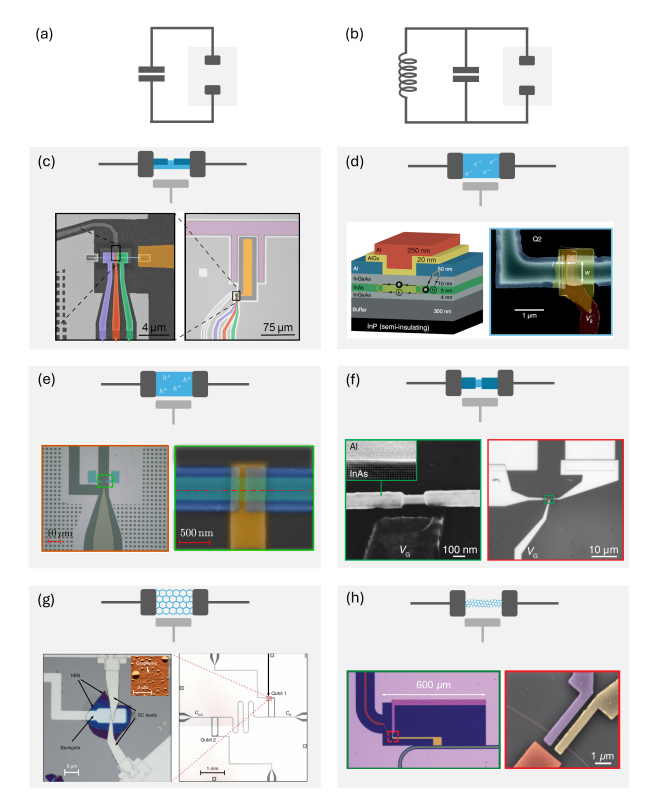
Physics Reports Analysis Evaluates Emergence of Hybrid Semiconductor–Superconducting Qubit Architectures
November 9, 2026
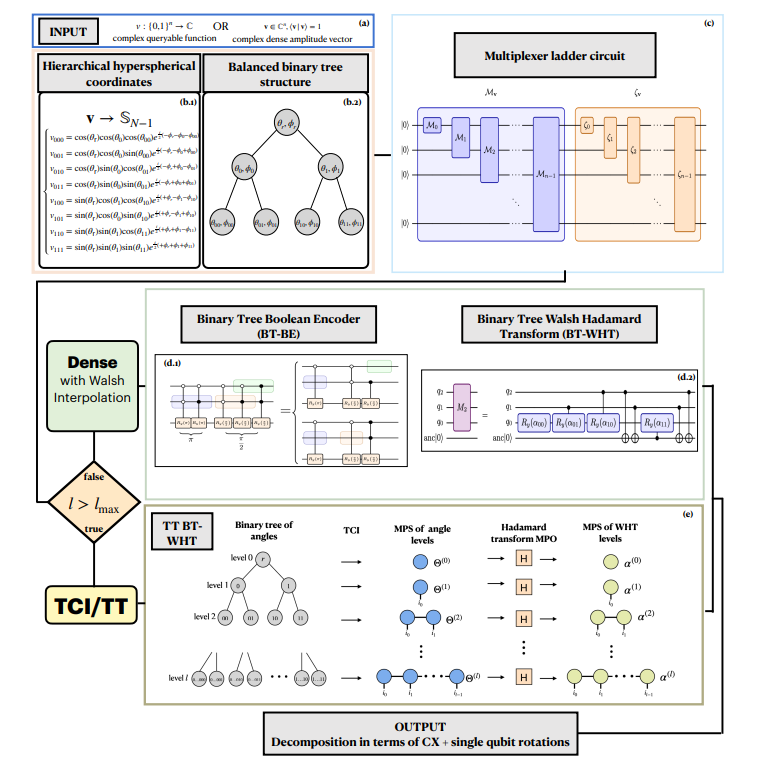
DLR Develops Scalable Unitary Data Encoding Beating Exponential State-Preparation Depth
November 9, 2026
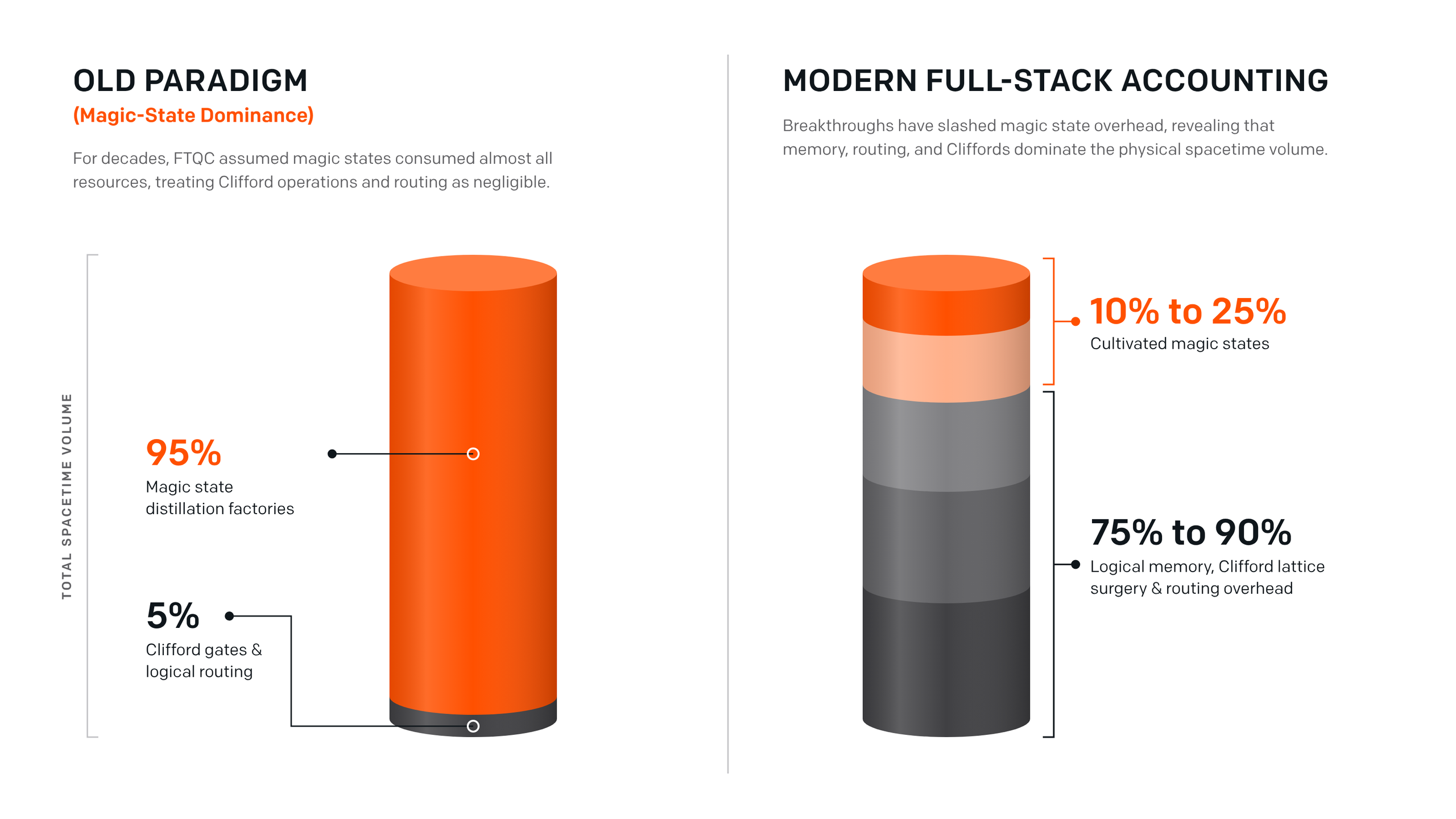
IonQ and Classiq Outline Architectural Trade-Offs in Fault-Tolerant Resource Estimation
November 9, 2026