IDEMIA Secure Transactions Achieves Industry-First EMVCo Certification for Post-Quantum Payment Cards
IDEMIA Secure Transactions (IST) has achieved the first EMVCo certification for a payment card platform that incorporates post-quantum cryptography (PQC)…

IDEMIA Secure Transactions (IST) has secured an industry-first EMVCo certification for a payment card platform integrating post-quantum cryptography (PQC) and crypto-agility services. Because payment cards operate in the field for three- to five-year lifecycles across heterogeneous point-of-sale (POS) and ATM networks, the platform prepares issuers for emerging quantum threats while preserving backward compatibility with existing payment flows.
IDEMIA PQC Smart Card Specifications | ||
Architecture Component | Implementation Details | Functional Role |
Silicon Hardware | Proprietary secure element with dedicated PQC accelerator | Offloads lattice polynomial math to preserve transaction speed under tight smart card power bounds. |
Algorithm Stack | IDEMIA Sphere PQC library (NIST ML-KEM & ML-DSA) | Provides quantum-safe key establishment and transaction signing optimized for low-memory chips. |
Software Environment | Certified Java Card OS with crypto-agility services | Allows algorithm updates over time and hosts external credentials (e.g., FIDO authentication, digital ID). |
Compliance Standard | EMVCo Security Certification | Validates global interoperability and security across legacy payment acceptance terminals. |
The primary hurdle for post-quantum smart cards centers on physical transaction budgets. Lattice-based algorithms require significantly larger keys and signatures than legacy RSA or ECC, threatening the 300-to-500-millisecond contactless Near Field Communication (NFC) latency standard. Broad commercial deployment will require POS terminals to support expanded data buffers while maintaining instantaneous tap-to-pay throughput.
Full commercial details are available in the official IDEMIA Press Release here.
October 30, 2026
Related Intelligence

Test of USydney article with HTML.
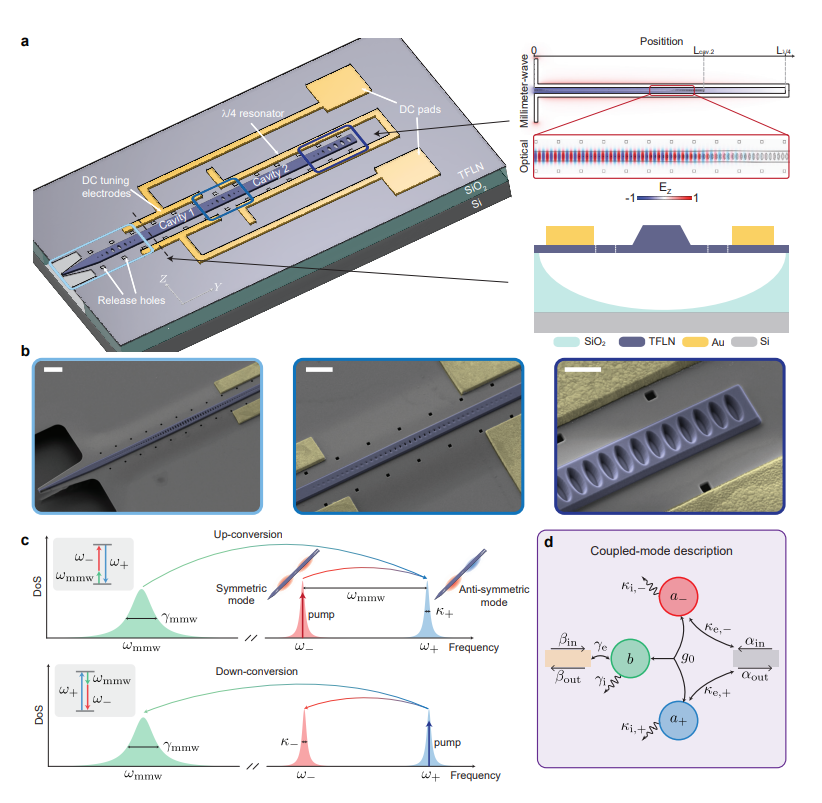
EPFL Demonstrates Millimeter-Wave-to-Optical Transducer with 67% Internal Efficiency
November 10, 2026

Why Quantum Hardware Needs Its Own Threat Model
November 9, 2026
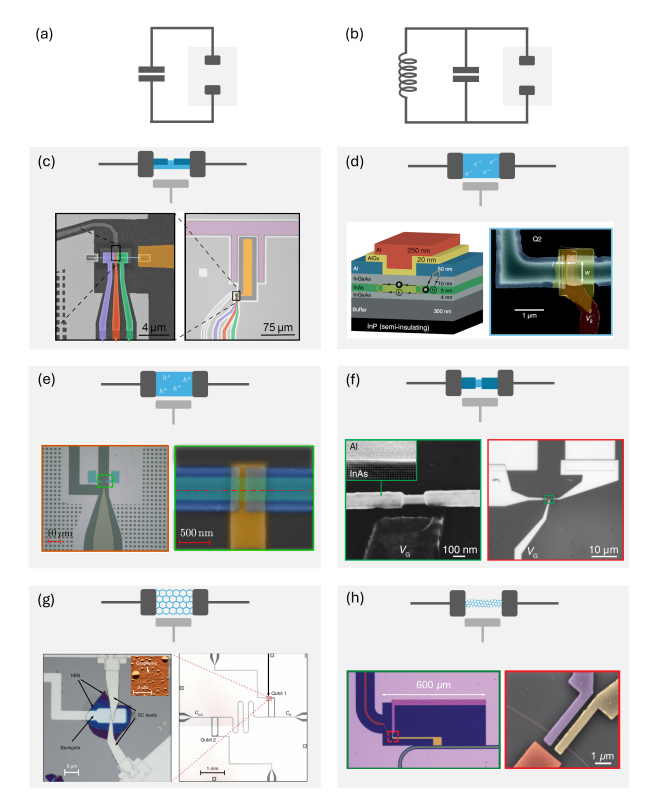
Physics Reports Analysis Evaluates Emergence of Hybrid Semiconductor–Superconducting Qubit Architectures
November 9, 2026
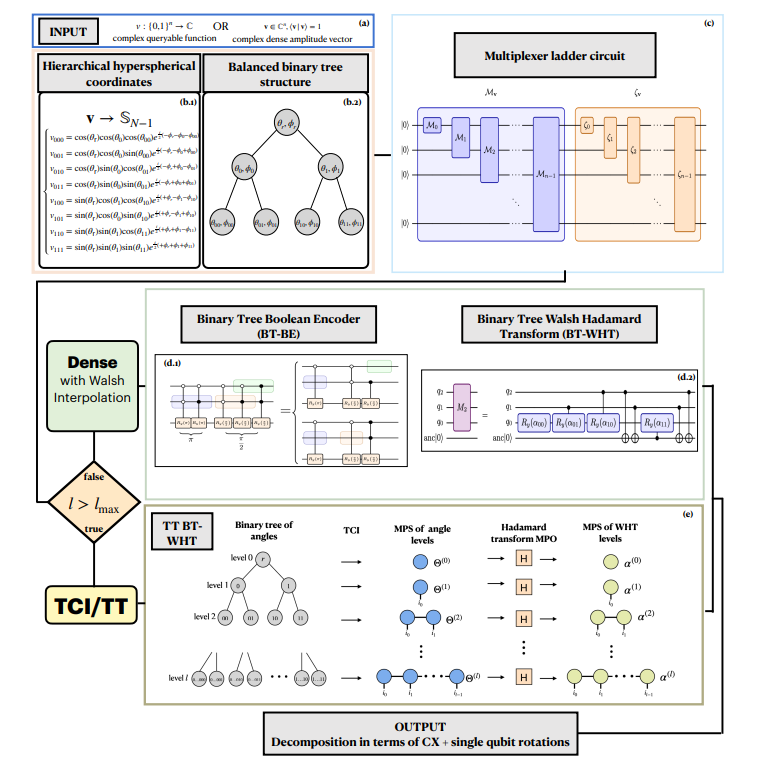
DLR Develops Scalable Unitary Data Encoding Beating Exponential State-Preparation Depth
November 9, 2026
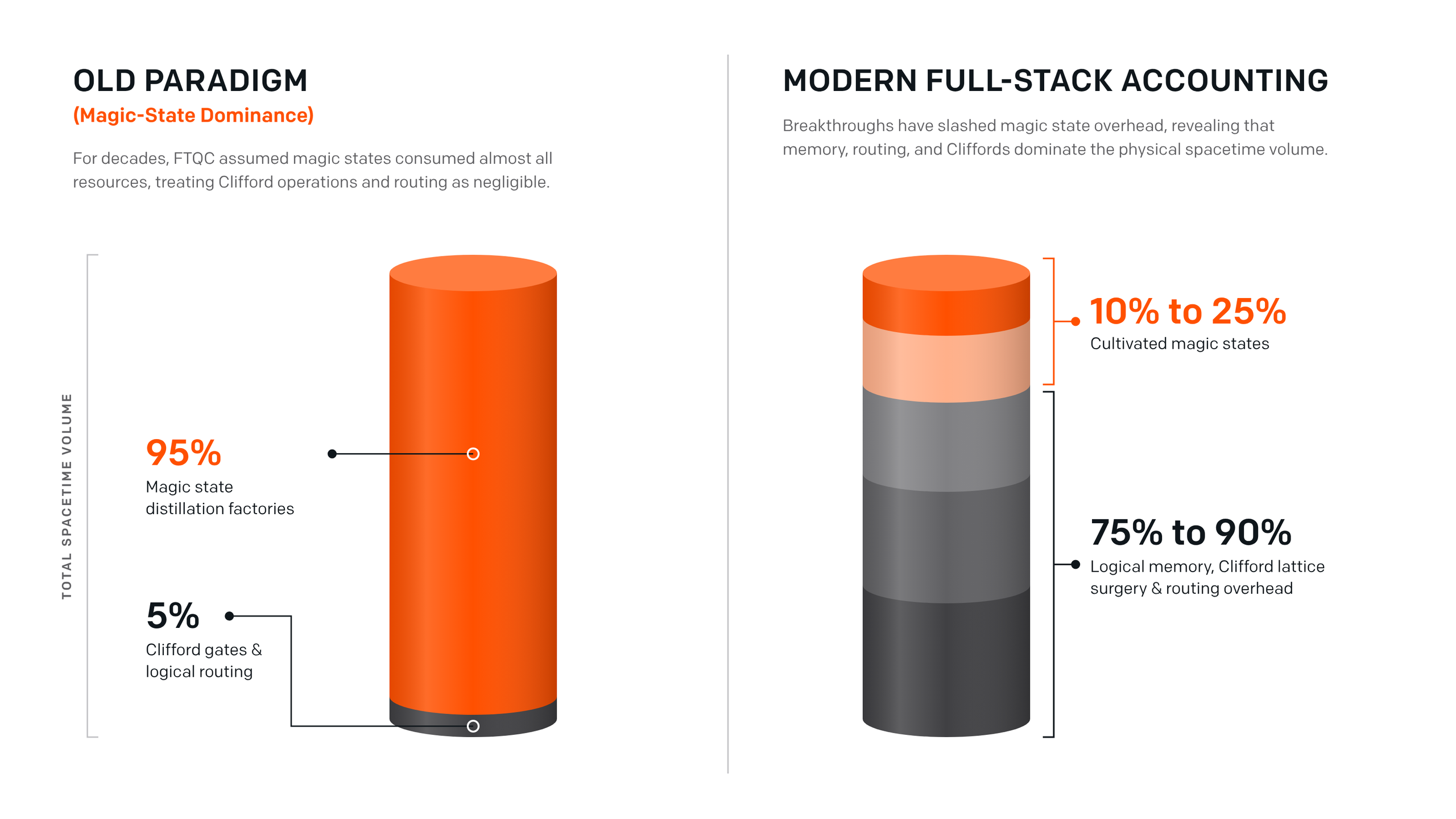
IonQ and Classiq Outline Architectural Trade-Offs in Fault-Tolerant Resource Estimation
November 9, 2026