IonQ and Synopsys Accelerate CAE Computer-Aided Engineering Workloads by 14.6% via Trapped-Ion Hardware
IonQ, Synopsys, and NVIDIA have successfully demonstrated quantum-accelerated performance gains in large-scale Computer-Aided Engineering (CAE)…
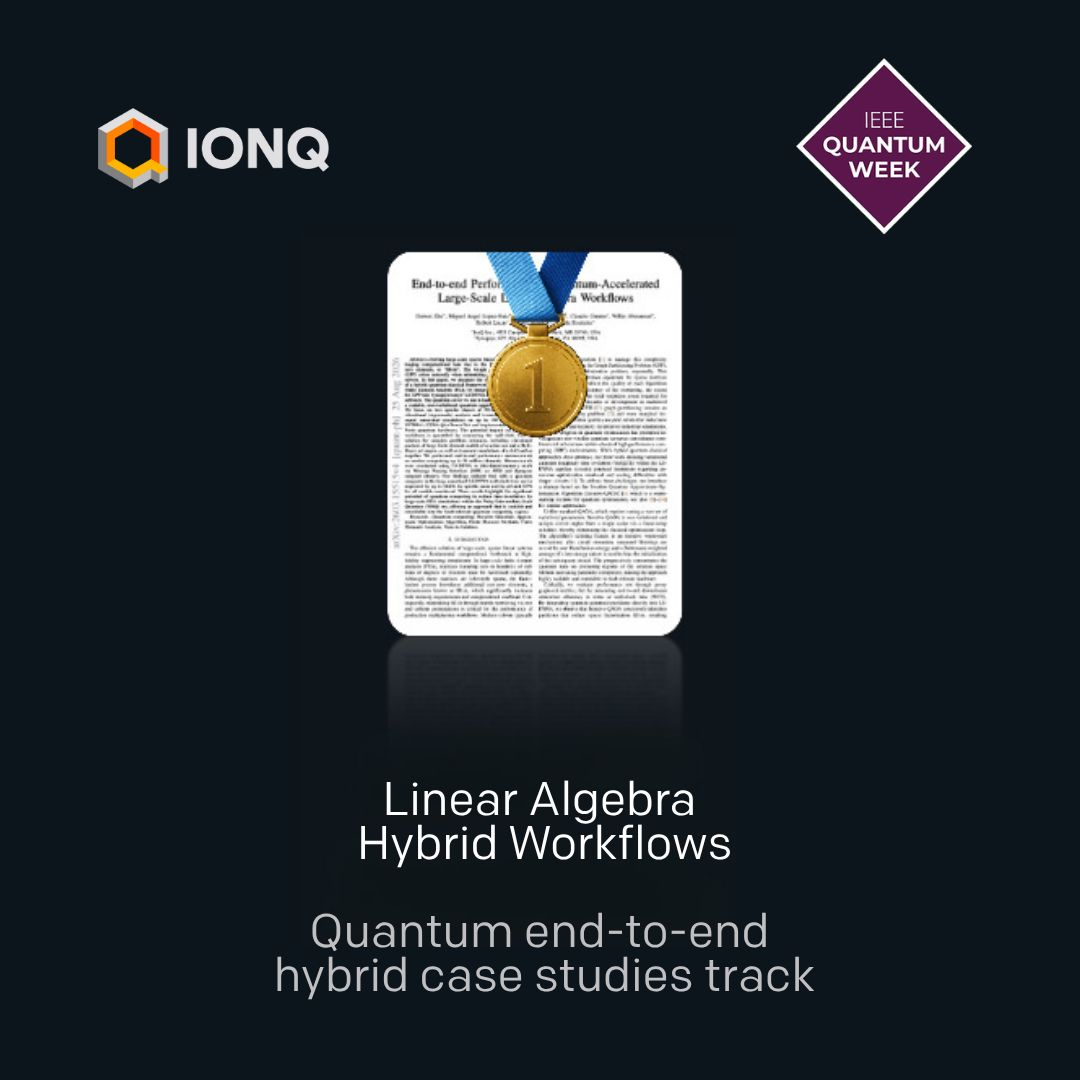
Trapped-ion quantum hardware provider IonQ (NYSE: IONQ), electronic design automation leader Synopsys, and accelerated computing pioneer NVIDIA have demonstrated quantum-accelerated performance gains in large-scale Computer-Aided Engineering (CAE) workflows. Awarded 1st Place Best Paper at IEEE Quantum Week 2026 in Toronto, the research proves that embedding hybrid quantum algorithms into classical simulation suites speeds up matrix reordering and system solver steps in industrial design pipelines, reducing total execution time by up to 14.6%.
The joint technical program plugged an advanced quantum matrix reordering algorithm directly into Ansys LS-DYNA—a premier finite-element simulation tool used across automotive, aerospace, and defense manufacturing. In large-scale structural and fluid dynamics simulations containing tens of millions of variables, classical supercomputers incur heavy computational delays reordering matrix equations to prevent memory bloat during numerical factorization. Acting as an algorithmic optimizer during the initial pre-solving stage, the quantum algorithm identifies optimal sparsity patterns and matrix elimination trees, eliminating redundant calculations across subsequent time steps.
[ IonQ & Synopsys CAE Hybrid Workload Benchmarks ] | ||
Industrial Target Model | Finite Element Mesh Scale | Observed Runtime Reduction |
Automotive Crash Test & Body Frame | Up to 35 Million Data Points / Elements | 14.6% Total Runtime Savings (Saves ~1 day on 7-day HPC run) |
Jet Engine Assembly & Fluid Impeller | Multi-million Node Dynamic Physics Mesh | 5.9% to 12.1% Consistent Speedup across solvers |
Industrial Drill & Sensor Components | High-Density Mechanical Stress Grid | Sustained reduction in memory fill-in & matrix bandwidth |
Numerical simulations were evaluated on up to 150 simulated qubits, with physical execution validated using IonQ's 36-qubit Forte trapped-ion QPU. Across all benchmarked digital models, the quantum-enhanced sorting framework delivered consistent runtime improvements between 5.9% and 14.6%. Because the quantum optimization step occurs once at workflow initiation, the resulting memory and time savings compound across long-duration supercomputing runs, offering enterprise users direct reductions in HPC energy consumption and compute costs.
Review the official news release on IonQ Investor Relations here and read our detailed coverage of IonQ's Nine Peer-Reviewed Papers at IEEE Quantum Week 2026 here.
September 17, 2026
Related Intelligence

Test of USydney article with HTML.
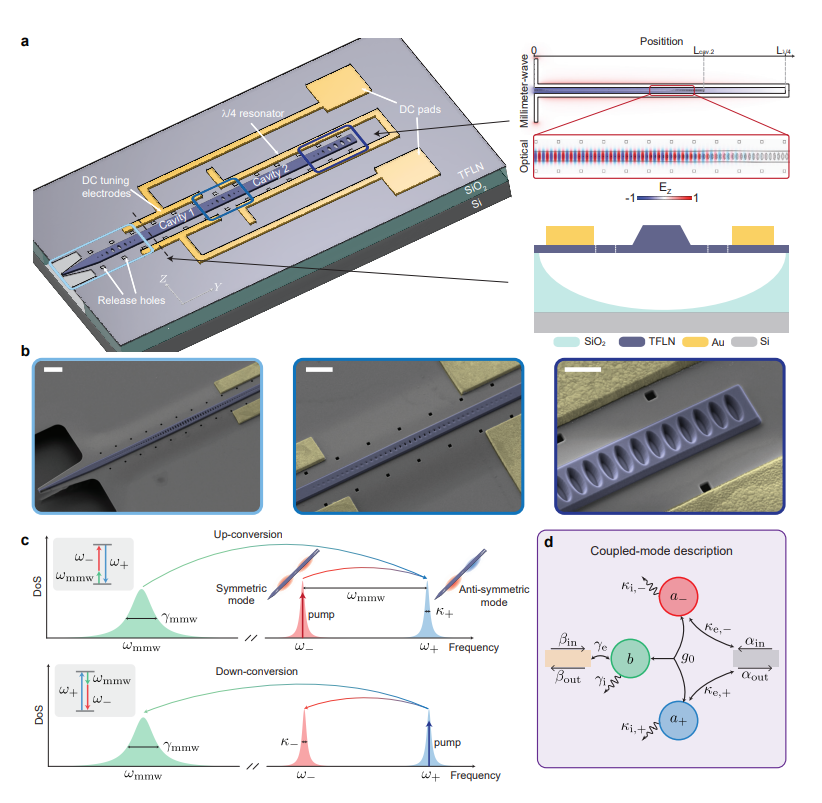
EPFL Demonstrates Millimeter-Wave-to-Optical Transducer with 67% Internal Efficiency
November 10, 2026

Why Quantum Hardware Needs Its Own Threat Model
November 9, 2026
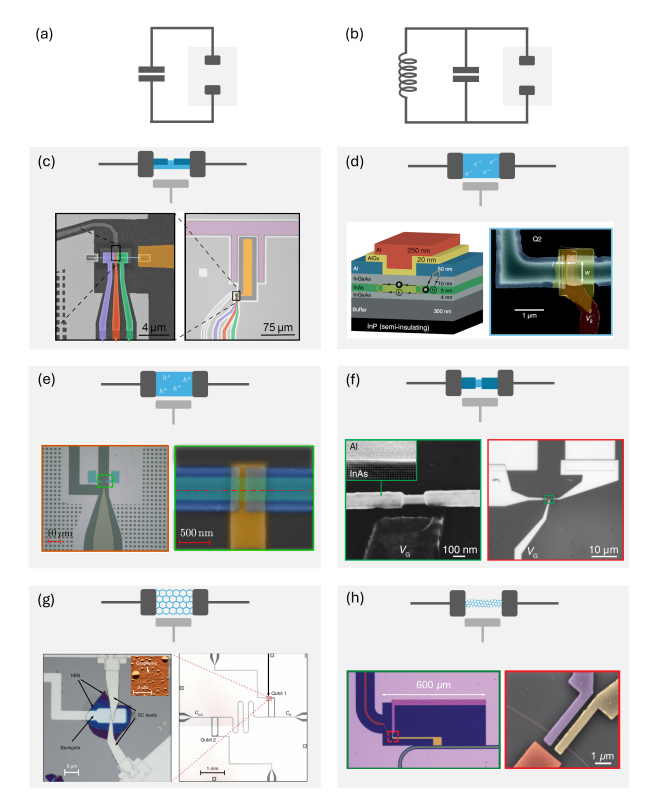
Physics Reports Analysis Evaluates Emergence of Hybrid Semiconductor–Superconducting Qubit Architectures
November 9, 2026
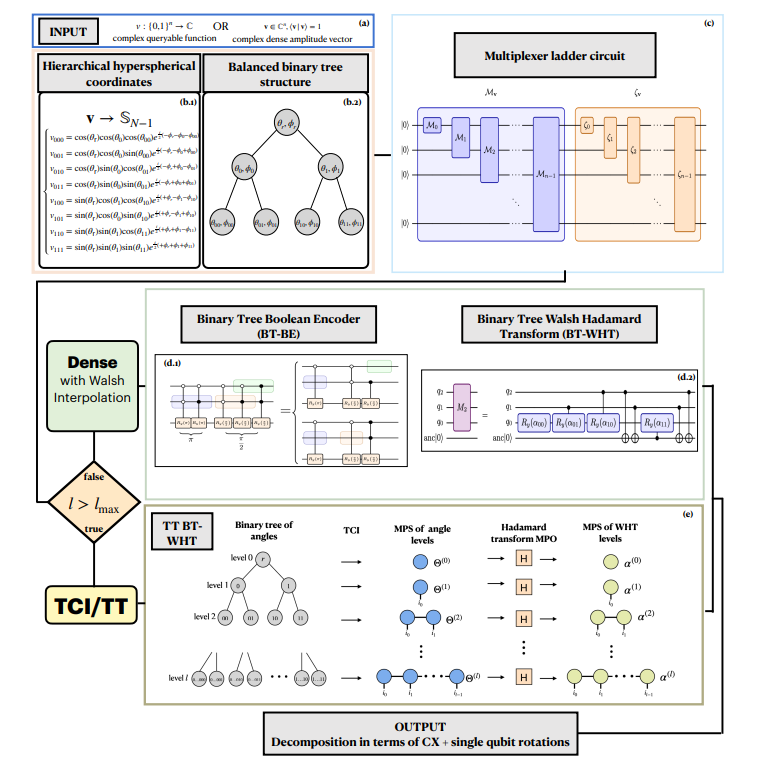
DLR Develops Scalable Unitary Data Encoding Beating Exponential State-Preparation Depth
November 9, 2026
IonQ and Classiq Outline Architectural Trade-Offs in Fault-Tolerant Resource Estimation
November 9, 2026