IonQ Partners with QuantumCT to Provide Trapped-Ion Cloud Access Across Connecticut
IonQ has partnered with QuantumCT to provide over 150 hours of cloud access to IonQ's trapped-ion quantum systems for organizations across Connecticut. …

Trapped-ion quantum hardware manufacturer IonQ (NYSE: IONQ) has entered into a commercial partnership with QuantumCT, the public-private initiative driving Connecticut’s statewide quantum technology strategy. Under the agreement, QuantumCT will purchase access to IonQ’s commercial quantum systems on behalf of regional organizations to advance practical algorithm development and workforce training.
IonQ / QuantumCT Partnership Specifications | ||
Partnership Dimension | Key Agreement Details | Regional & Ecosystem Impact |
Contract Scope | > 150 hours of cloud runtime | Secures dedicated, managed compute allocation across IonQ's commercial QPUs. |
Institutional Anchors | Links academic laboratories, regional startups, and industrial partners into a shared network. | |
Research Domains | Algorithms, optimization, materials science, and education | Supports transition from exploratory theory to hardware execution and hands-on developer training. |
Infrastructure Strategy | Multi-modality computing framework | Integrates trapped-ion capacity as a primary pillar alongside other planned quantum architectures. |
While Yale has historically anchored regional quantum research in superconducting circuit QED, the partnership with IonQ broadens local access to trapped-ion processors, which feature all-to-all qubit connectivity and long coherence times well-suited for complex combinatorial optimization and molecular modeling. The cloud runtime allows regional developers to benchmark applications directly against physical quantum hardware without the overhead of maintaining on-site cryogenic and vacuum facilities.
According to QuantumCT leadership, the agreement marks the initial phase of building a modality-diverse computing environment, enabling researchers to systematically compare algorithm execution across trapped-ion, superconducting, and photonic platforms.
Details on regional access are provided in the Official IonQ Release here.
November 4, 2026
Related Intelligence

Test of USydney article with HTML.
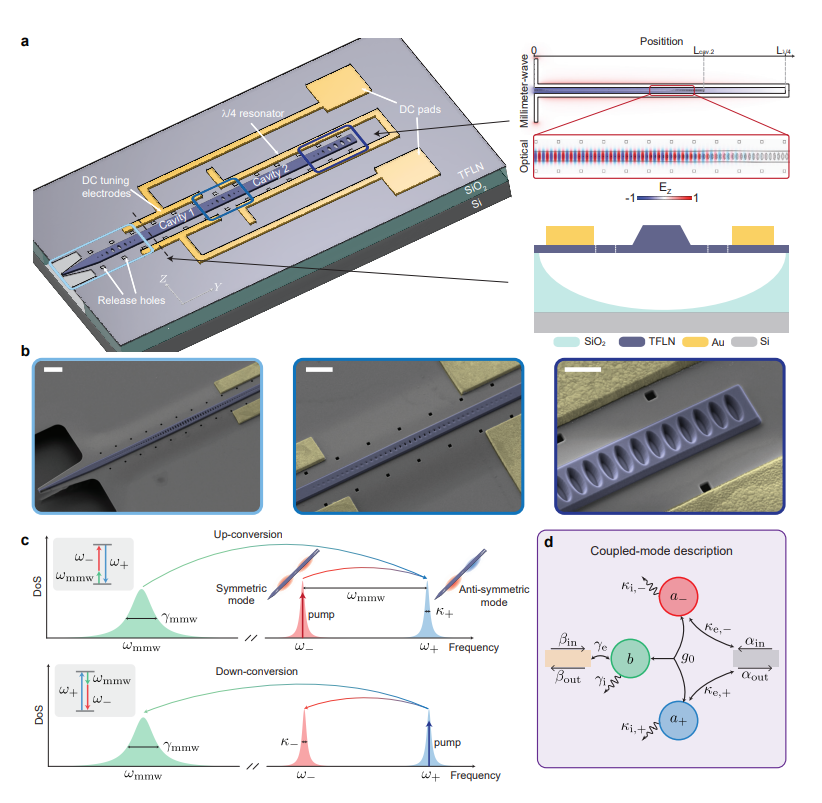
EPFL Demonstrates Millimeter-Wave-to-Optical Transducer with 67% Internal Efficiency
November 10, 2026

Why Quantum Hardware Needs Its Own Threat Model
November 9, 2026
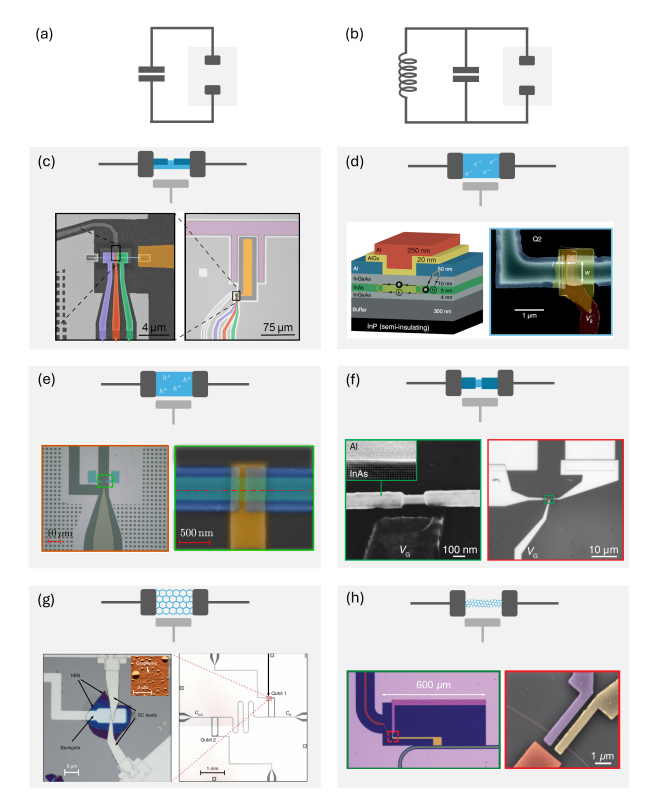
Physics Reports Analysis Evaluates Emergence of Hybrid Semiconductor–Superconducting Qubit Architectures
November 9, 2026
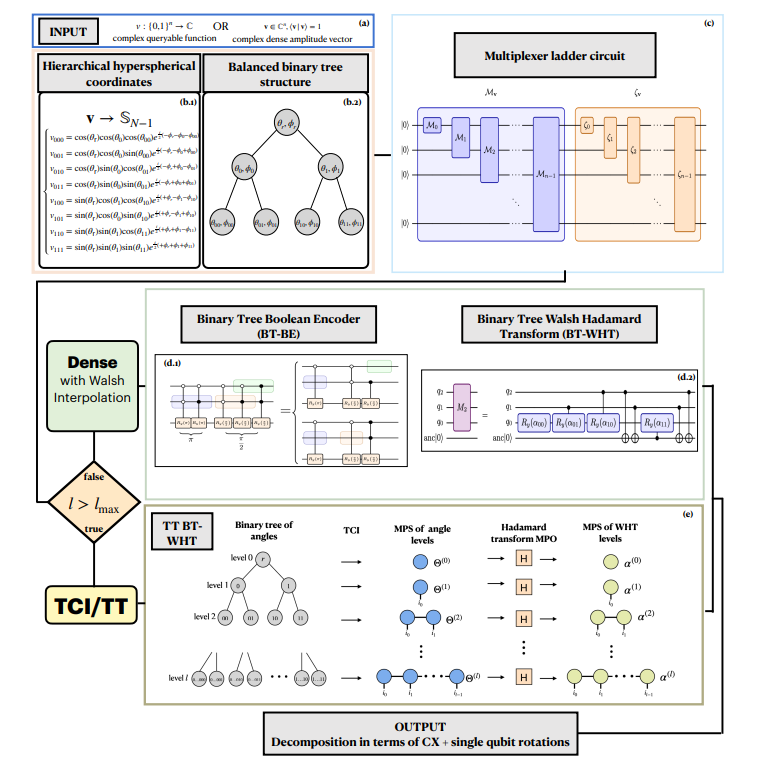
DLR Develops Scalable Unitary Data Encoding Beating Exponential State-Preparation Depth
November 9, 2026
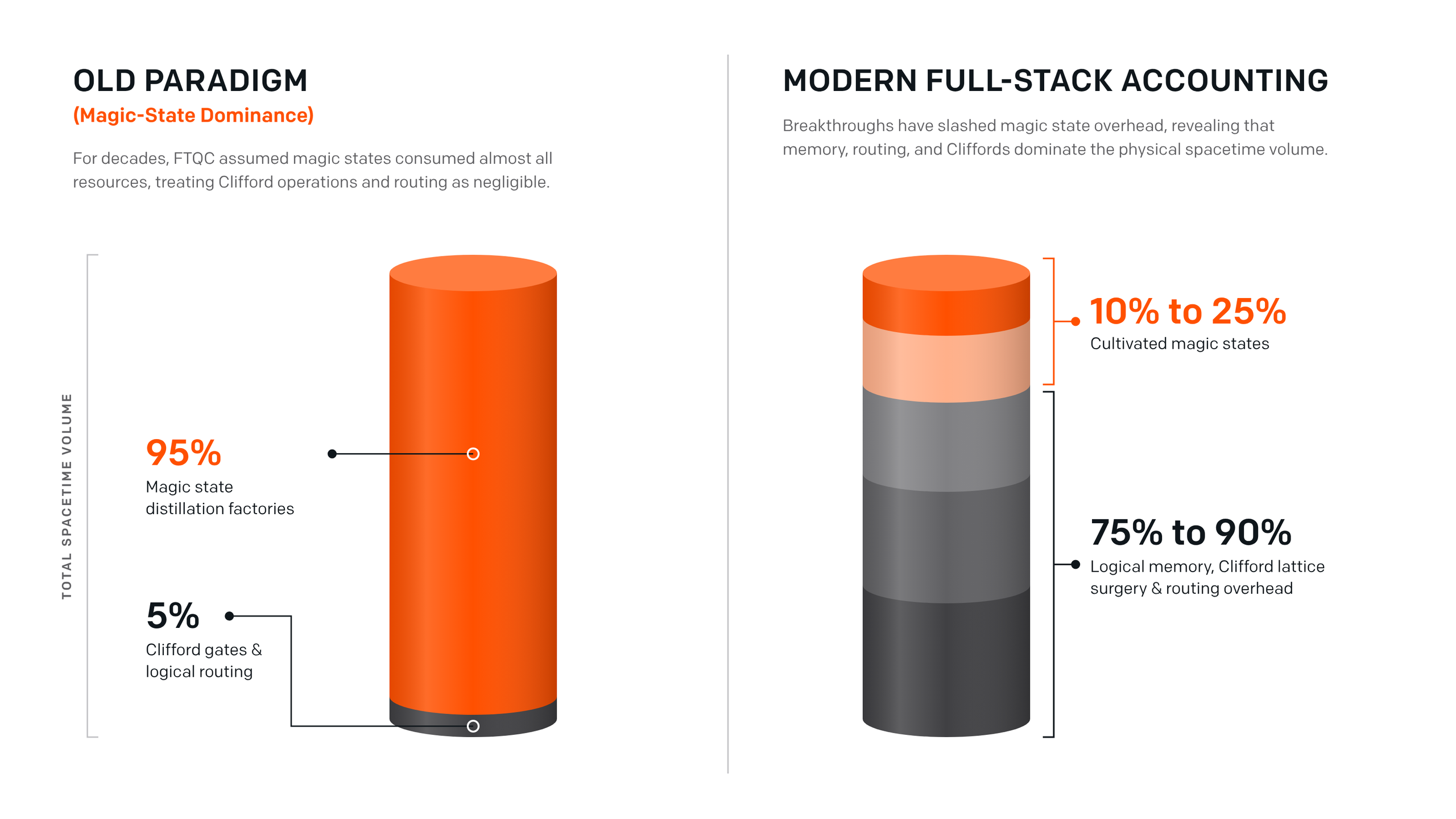
IonQ and Classiq Outline Architectural Trade-Offs in Fault-Tolerant Resource Estimation
November 9, 2026