Keyfactor Launches Trust Control Plane for Machine Identity and Post-Quantum Migration
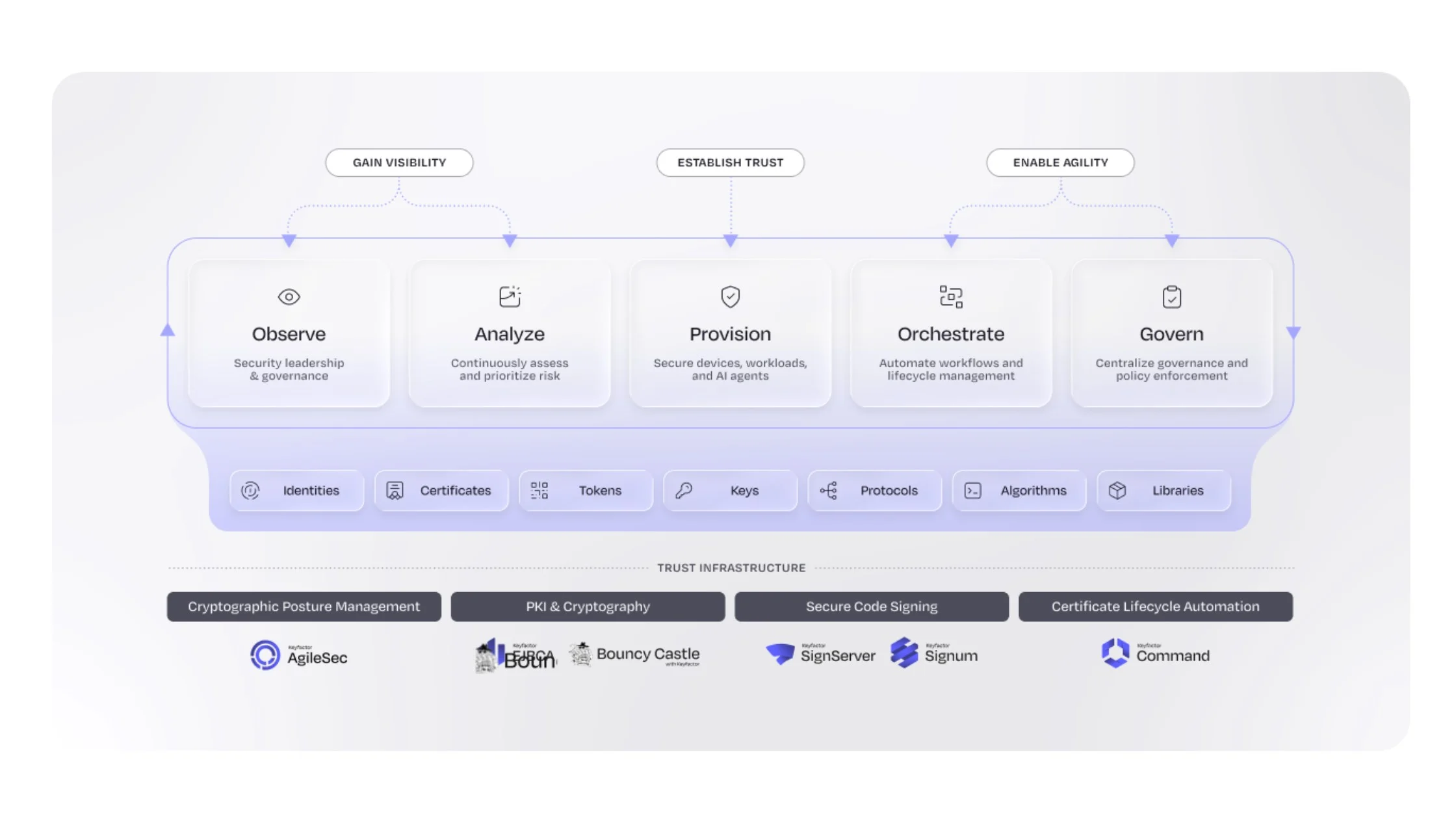
Identity and access management developer Keyfactor has launched its Trust Control Plane, a unified cryptographic operating platform designed to orchestrate machine identities, keys, and certificates across enterprise environments. Announced in a corporate briefing, the architecture consolidates fragmented cryptographic assets and legacy public key infrastructure (PKI) utilities into a single system of control. The deployment framework is engineered to address the operations bottleneck caused by proliferating non-human identities, shrinking public certificate lifespans, and the impending requirement to transition enterprise networks to quantum-resistant algorithms.
The Lifecycle Automation Loop: Addressing AI-Driven Identity Sprawl
The technological shift toward automated AI agents, ephemeral cloud workloads, and connected internet-of-things (IoT) devices has created an identity sprawl that outpaces manual oversight. To mitigate the risk of unplanned network outages stemming from untracked or expired certificates, Keyfactor’s platform replaces static, disconnected management spreadsheets with a continuous operational loop categorized into five distinct stages: Observe, Analyze, Provision, Orchestrate, and Govern. Under this automation pipeline, continuous network discovery tools map hidden risks across application code, containers, and network hardware, feeding real-time telemetry back into central policy engines to automatically renew or revoke active machine identities without interrupting active business lines.
Building a Quantum-Resilient Foundation for Corporate Trust Infrastructure
According to Chief Technology Officer Ted Shorter and Chief Product and Technology Officer Gün Akkor, the Trust Control Plane establishes an explicit migration pathway toward post-quantum cryptography (PQC) compliance. Traditional asymmetric encryption standards are increasingly vulnerable to future quantum-accelerated decryption threats, requiring organizations to audit and update their cryptographic inventories from a single centralized interface. By deploying a quantum-resilient foundation that supports standardized post-quantum primitives, security operators can systematically locate legacy algorithms across their digital infrastructure, execute risk-based remediation strategies, and provision verified, quantum-safe credentials to secure enterprise workloads and software signing networks.
The primary corporate announcement and full transactional details can be reviewed directly via the official Keyfactor newsroom here. For technical briefs regarding machine identity lifecycles, automated PKI orchestration strategies, and post-quantum preparedness matrices, track the educational documentation hosted by the Keyfactor Trust Infrastructure Center here.
June 9, 2026
Related Intelligence
Test of USydney article with HTML.
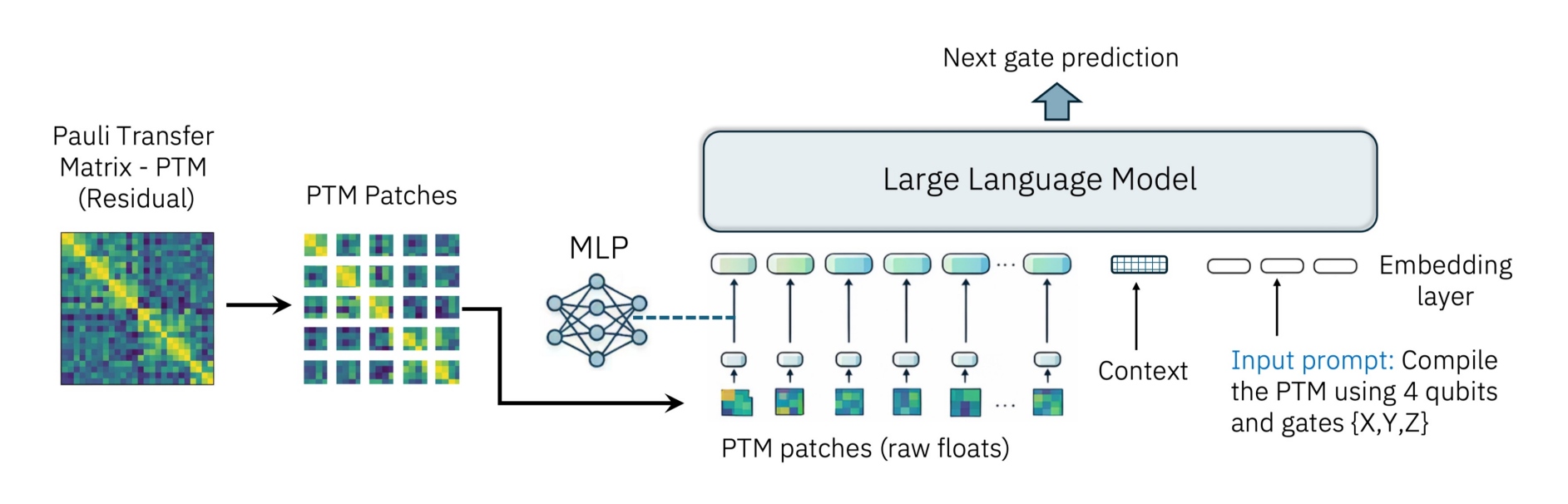
MIT and IBM Project Quantum Unity Operators into Language Model Latent Spaces for Multimodal Circuit Synthesis
July 11, 2026

ETH Zurich Combines Superconducting Qubits with Mechanical Resonators to Build Vibrating Quantum RAM
July 11, 2026
Google and Fraunhofer Launch Global Calls for Early Fault-Tolerant Algorithms and Enterprise Use Cases
July 11, 2026

Who’s News: Strategic Appointments at Photonic, Aliro Quantum, Florida Atlantic University, QuSecure, Quantum Elements, and QAI Ventures
July 11, 2026
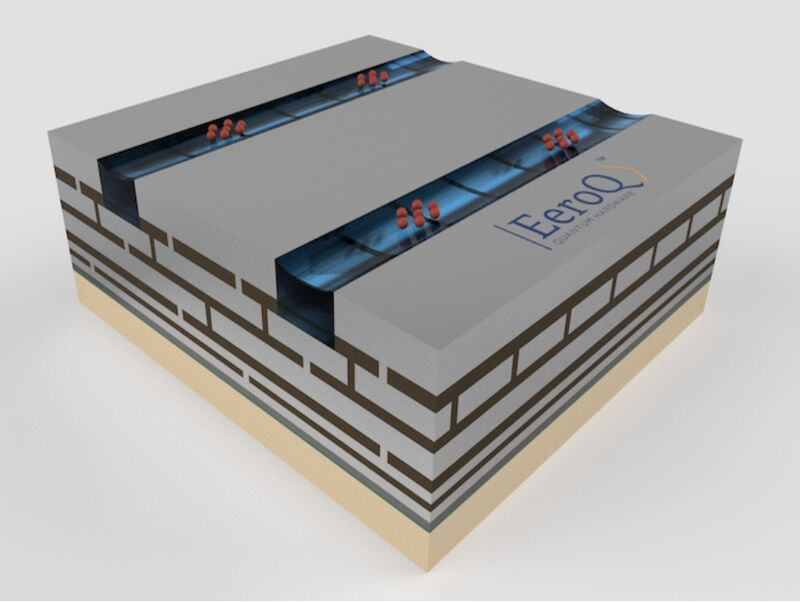
EeroQ Validates CMOS-Controlled Electron Shuttling on Superfluid Helium for All-to-All Qubit Routing
July 11, 2026