Lawrence Berkeley National Laboratory Outlines Quantum Industry and Computational Infrastructure Partnerships
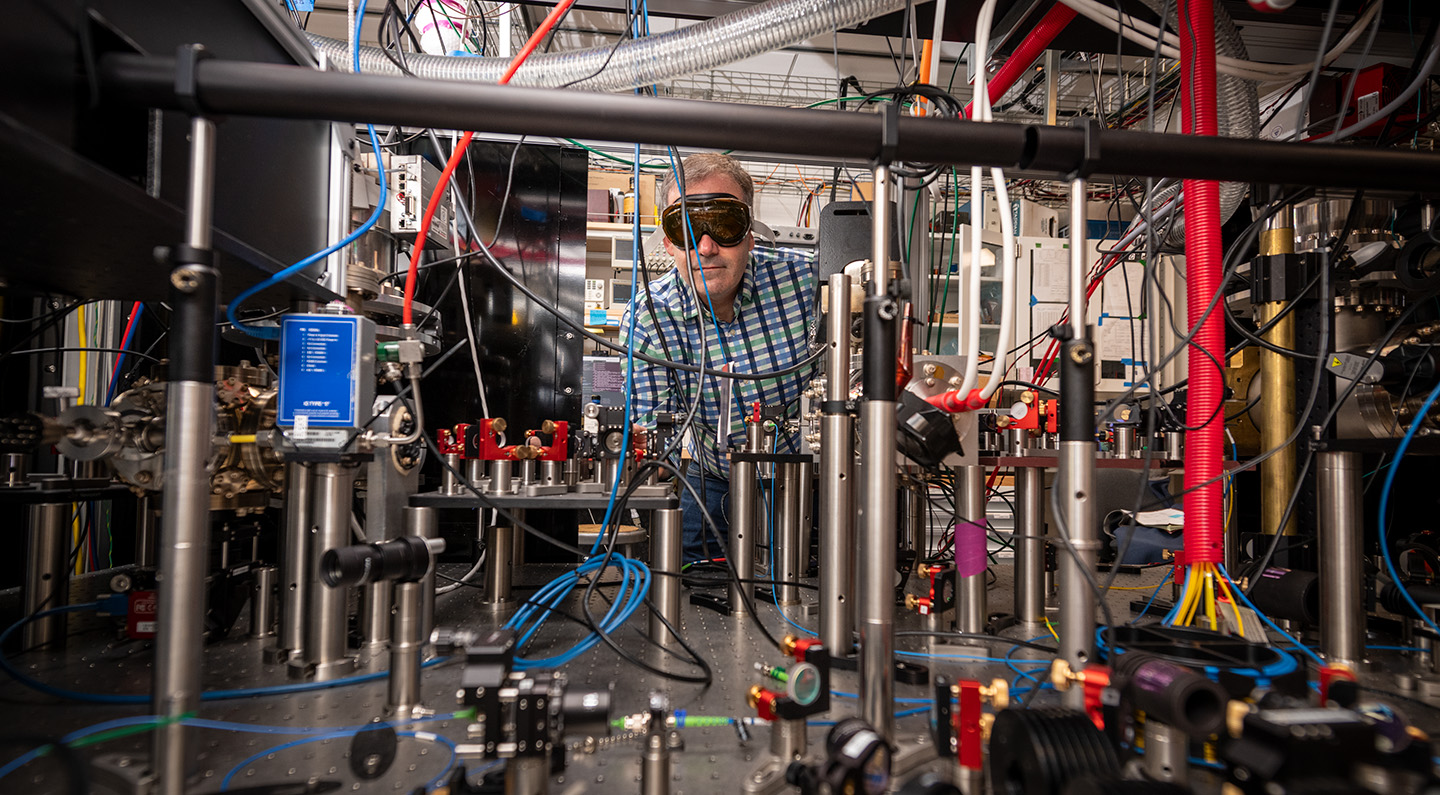
Lawrence Berkeley National Laboratory (Berkeley Lab) has reported the status of its quantum industry collaborations, focusing on the integration of commercial systems and public research infrastructure. Through the National Energy Research Scientific Computing Center (NERSC), the Quantum Computing Access program provides researchers with access to quantum processors from QuEra Computing Inc. and IBM. This layout permits the high-performance computing user base at NERSC to run operations in quantum simulation, chemistry, materials science, and condensed matter physics, utilizing QuEra’s neutral-atom platform, Aquila, and its internal magneto-optical trap array alongside classical systems under the QIS @ Perlmutter program.
The laboratory’s network infrastructure includes the Quantum Application Network Testbed for Novel Entanglement Technology (QUANT-NET), a project managed by Berkeley Lab and ESnet alongside UC Berkeley, the California Institute of Technology, and the University of Innsbruck. This program operates a three-node distributed testbed connecting ion-trap nodes across 5 kilometers of fiber optic network to automate entanglement distribution using localized quantum frequency conversion tools. Concurrently, the Department of Energy (DOE) center, the Quantum Systems Accelerator (QSA)—directed by Bert de Jong in partnership with Sandia National Laboratories—transfers hardware configurations to the commercial ecosystem, including reconfigurable atom arrays and the open-source QubiC control system utilized by NVIDIA's NVQLink.
[ NERSC Perlmutter HPC ] ──► [ Quantum Computing Access ] ──► QuEra Aquila QPU
[ QUANT-NET Fiber Link ] ──► [ 5 km Distributed Nodes ]   ──► Ion-Trap Network
Material analysis and synthesis tasks are handled via the Molecular Foundry and the Advanced Light Source (ALS), which deploy automated QIS cluster tool systems and light beam spectroscopy to analyze quantum states within superconducting and topological structures. Training pipelines for early-career technicians are managed by the Advanced Quantum Testbed (AQT) and QSA to provide experience in cryogenic engineering, hardware design, and software compilation. These structures are supported by the Quantum Computing Mathematics and Physics Summer Camp (QCaMP) program, which introduces high school educators and students to fundamental physics concepts to supply technical personnel for state-level integration frameworks like Quantum California.
The partnership parameters, institutional facility updates, and workforce development timelines can be reviewed in the Berkeley Lab Media Center Report here.
June 25, 2026
Related Intelligence
Test of USydney article with HTML.
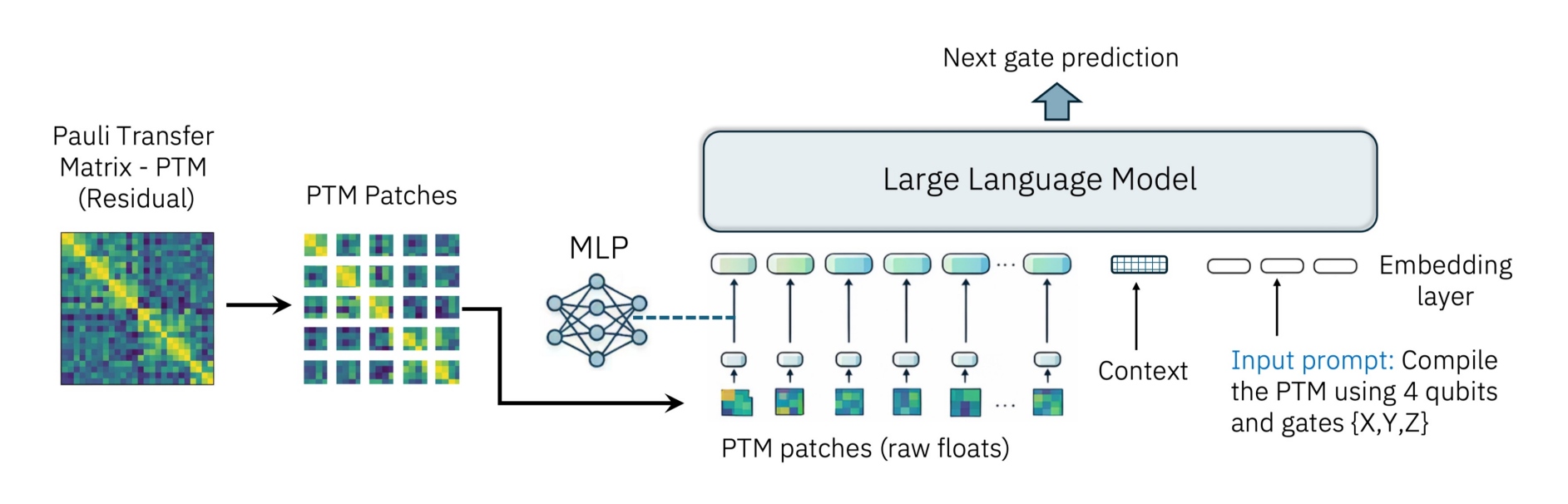
MIT and IBM Project Quantum Unity Operators into Language Model Latent Spaces for Multimodal Circuit Synthesis
July 11, 2026

ETH Zurich Combines Superconducting Qubits with Mechanical Resonators to Build Vibrating Quantum RAM
July 11, 2026

Google and Fraunhofer Launch Global Calls for Early Fault-Tolerant Algorithms and Enterprise Use Cases
July 11, 2026

Who’s News: Strategic Appointments at Photonic, Aliro Quantum, Florida Atlantic University, QuSecure, Quantum Elements, and QAI Ventures
July 11, 2026
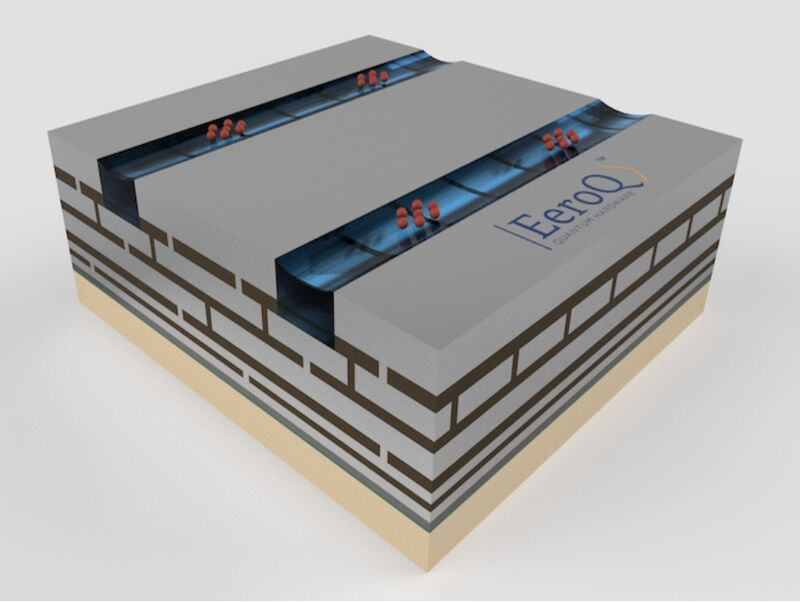
EeroQ Validates CMOS-Controlled Electron Shuttling on Superfluid Helium for All-to-All Qubit Routing
July 11, 2026