LG CNS and D-Wave Partner to Evaluate Quantum Annealing for Enterprise Combinatorial Optimization
D-Wave Quantum Inc. and LG CNS have signed a non-binding MOU to explore quantum annealing for enterprise optimization in South Korea and Asia. …
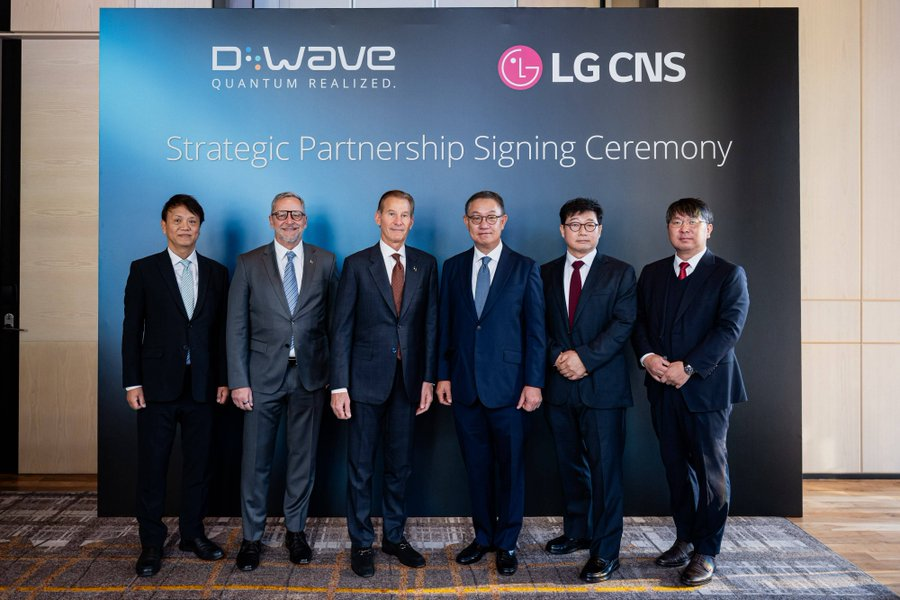
D-Wave Quantum Inc. and South Korean IT systems integrator LG CNS have entered into a non-binding memorandum of understanding (MOU) to evaluate and deploy quantum annealing workflows for enterprise optimization. Announced onstage at the Qubits Asia conference in Seoul, the initiative links the D-Wave Leap cloud environment with LG CNS systems integration pipelines to target industrial scheduling, anomaly detection, telecommunications routing, and logistics management across South Korea and regional Asian commercial markets.
The collaboration pairs D-Wave’s annealing systems and hybrid cloud solvers with LG CNS’s mathematical optimization capabilities. The technical scope targets scaling combinatorial problems—such as factory scheduling, delivery routing, and resource distribution—where growing variable counts challenge classical solvers. LG CNS will lead problem formulation and algorithm validation, leveraging its applied research in visual inspection image reconstruction and subterranean anomaly detection.
The agreement provides D-Wave with an enterprise integration channel in South Korea through LG CNS, aligning with a joint study by D-Wave and Wakefield Research reporting that 81% of surveyed business leaders see classical optimization hitting operational limits. However, the agreement is strictly a non-binding MOU with no hardware procurement, software licensing fees, or cloud compute commitments disclosed. Commercial viability will depend on proving measurable advantages over classical mathematical programming tools in production environments.
Review the official corporate announcement on the D-Wave Corporate Newsroom here and examine commercial workflow architectures through the D-Wave Quantum Optimization Solutions Portal here.
October 28, 2026
Related Intelligence

Test of USydney article with HTML.
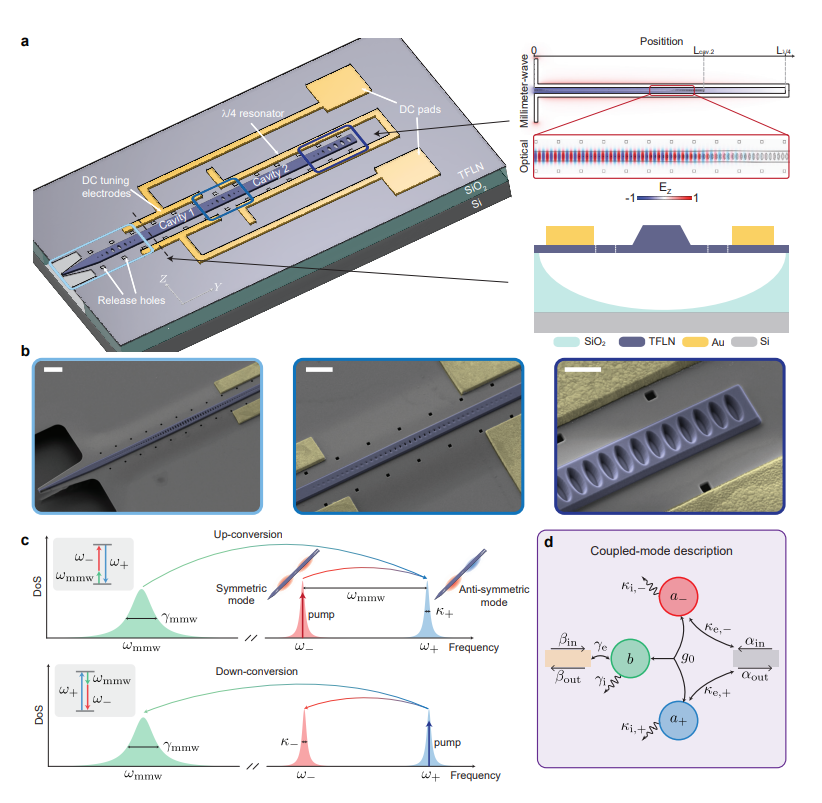
EPFL Demonstrates Millimeter-Wave-to-Optical Transducer with 67% Internal Efficiency
November 10, 2026
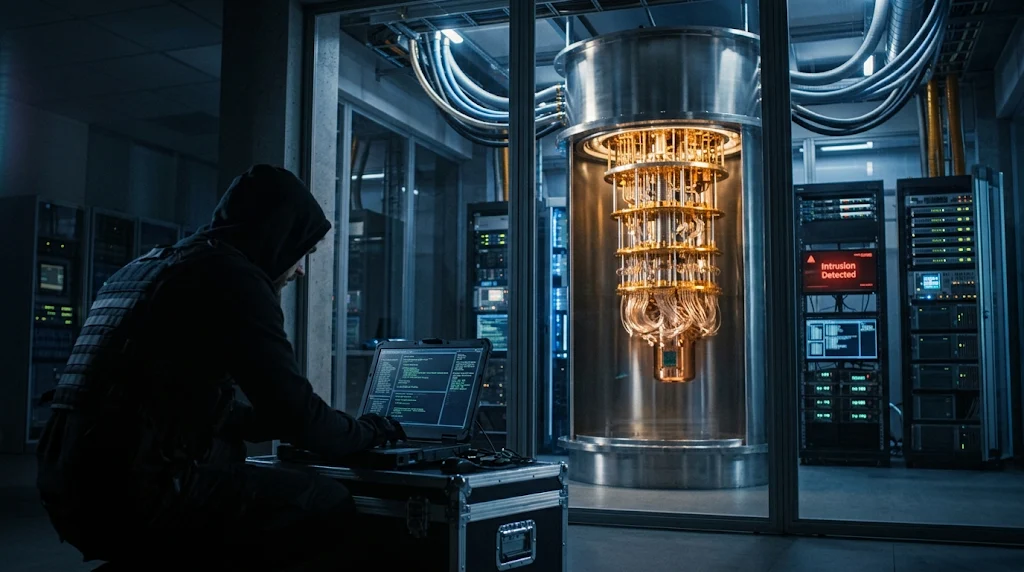
Why Quantum Hardware Needs Its Own Threat Model
November 9, 2026
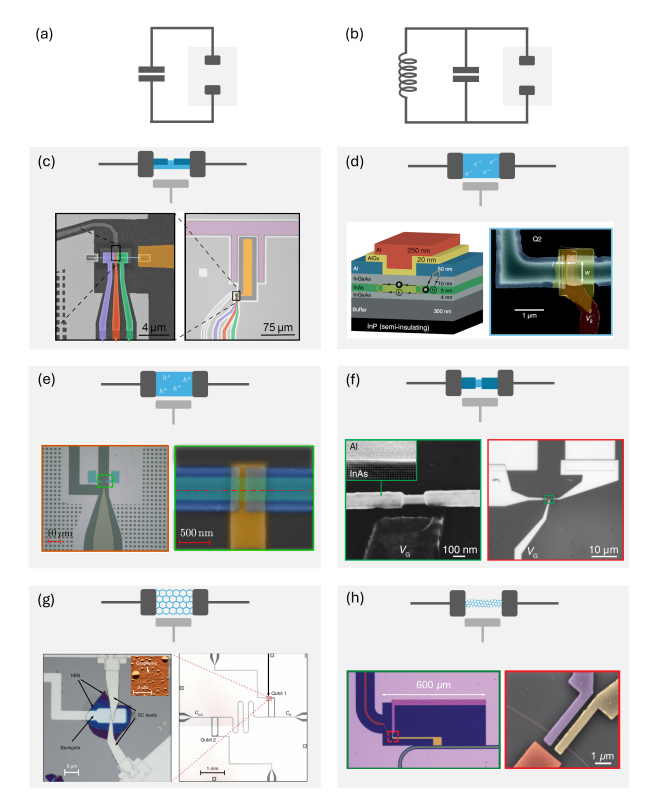
Physics Reports Analysis Evaluates Emergence of Hybrid Semiconductor–Superconducting Qubit Architectures
November 9, 2026
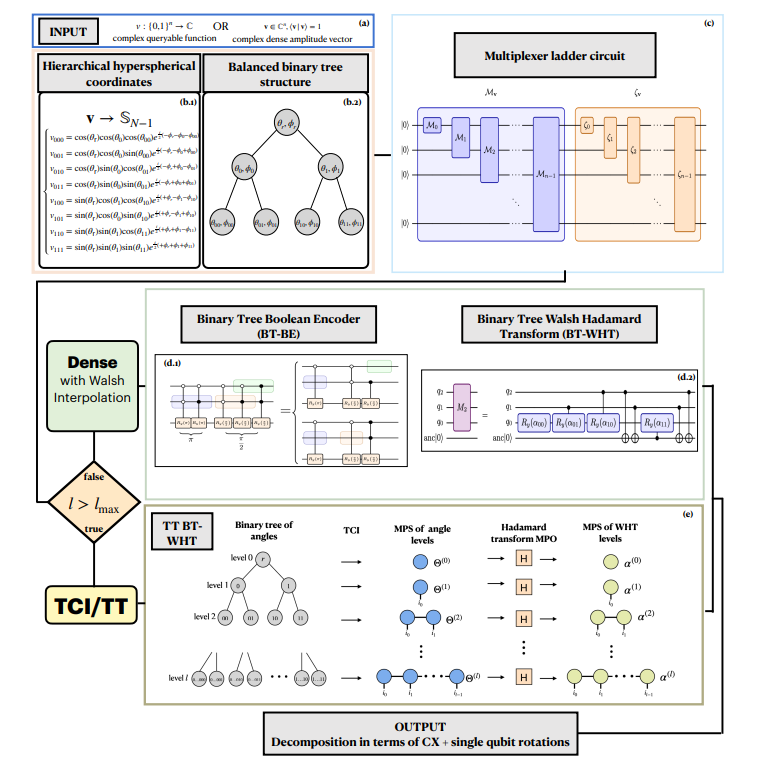
DLR Develops Scalable Unitary Data Encoding Beating Exponential State-Preparation Depth
November 9, 2026
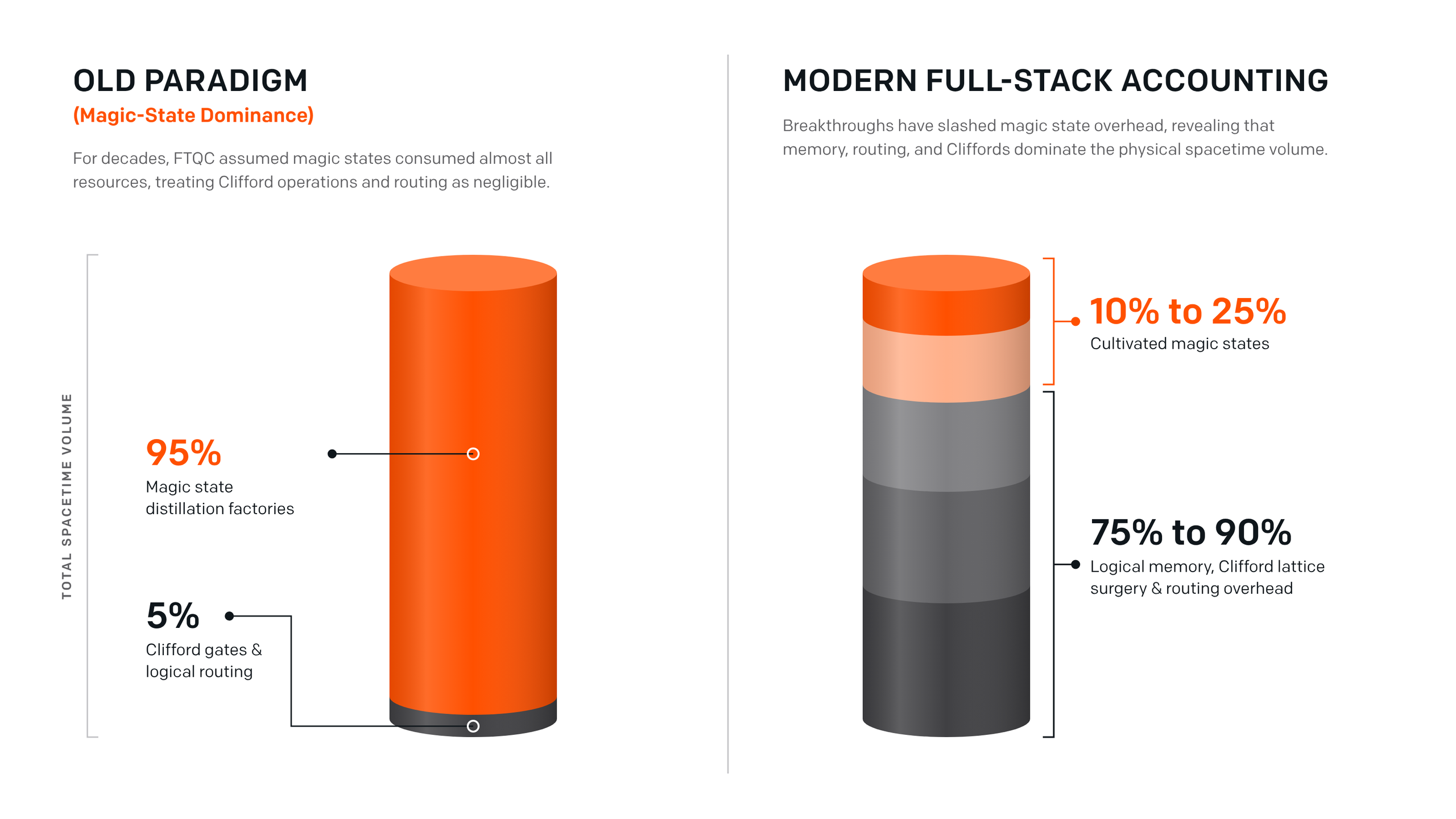
IonQ and Classiq Outline Architectural Trade-Offs in Fault-Tolerant Resource Estimation
November 9, 2026