Monarch Quantum Supplies Integrated Photonics for Next Phase of NASA and Infleqtion’s Space-Based Gravity Gradiometer
Monarch Quantum is providing integrated photonics hardware to Infleqtion for NASA's Quantum Gravity Gradiometer Pathfinder (QGGPf) mission. …

San Diego-based quantum optics firm Monarch Quantum has detailed its role providing integrated photonics hardware to support Infleqtion under NASA’s Quantum Gravity Gradiometer Pathfinder (QGGPf) mission. The announcement follows NASA’s recent $20 million follow-on award to Infleqtion, bringing total agency commitments for the pathfinder program to $40 million as hardware transitions toward a planned 2030 orbital demonstration.
Led by NASA’s Jet Propulsion Laboratory (JPL) in Southern California, the QGGPf mission aims to deploy the world's first space-based Earth quantum gravity gradient sensor in low-Earth orbit. Building on NASA's satellite-to-satellite tracking heritage (GRACE and GRACE-FO), the pathfinder will measure minute variations in Earth's gravitational acceleration using ultracold rubidium atoms to track groundwater depletion, ice-sheet mass loss, and subsurface geophysical shifts directly within a single instrument.
[ NASA Quantum Gravity Gradiometer Pathfinder (QGGPf): Mission Architecture ] | ||
Mission Parameter | Institutional Role / Specification | Technical Function & Deliverables |
• Mission Leadership | • NASA Jet Propulsion Laboratory (JPL) | • Overall mission management, instrument requirements, and orbital flight integration. |
• Prime Sensor Developer | • Infleqtion (Louisville, CO) | • Engineering development unit (EDU) sensor head and control electronics; microgravity testing at Hannover's Einstein Elevator. |
• Photonics Subsystems | • Monarch Quantum (San Diego, CA) | • Integrated Quantum Light Engines™ delivering stabilized laser and micro-optical control for cold-atom manipulation. |
• Measurement Mechanism | • Cold-Atom Interferometry (Rubidium) | • Atom-based gravity gradiometry measuring localized mass variations with no mechanical drift. |
• Target Flight Window | • 2030 Deployment | • Operational pathfinder in low-Earth orbit (LEO). |
Ruggedizing Atomic Physics for Spaceflight Environments
A primary hurdle in transitioning cold-atom quantum sensing from laboratory environments to spaceflight is managing optical complexity under severe Size, Weight, and Power (SWaP) constraints. Atom interferometry requires precise, narrow-linewidth laser light to trap, cool, and interrogate atoms without beam drift caused by launch vibration or thermal fluctuations in orbit.
Monarch Quantum supplies compact photonics subsystems that integrate lasers, micro-optics, fiber routing, and control electronics into ruggedized enclosures. By offloading photonics packaging and environmental stabilization to specialized component providers, sensor integrators like Infleqtion can focus on core atomic physics, magnetic shielding, and detector electronics.
Infleqtion—which has supported the Cold Atom Lab (CAL) aboard the International Space Station since 2018—is preparing to validate the engineering development unit at the Einstein-Elevator drop-tower facility in Hannover, Germany, ahead of final payload qualification for spaceflight.
Review the announcement via Monarch Quantum here and examine mission technical background on the NASA Earth Science Technology Office (ESTO) Portal here.
October 24, 2026
Related Intelligence

Test of USydney article with HTML.
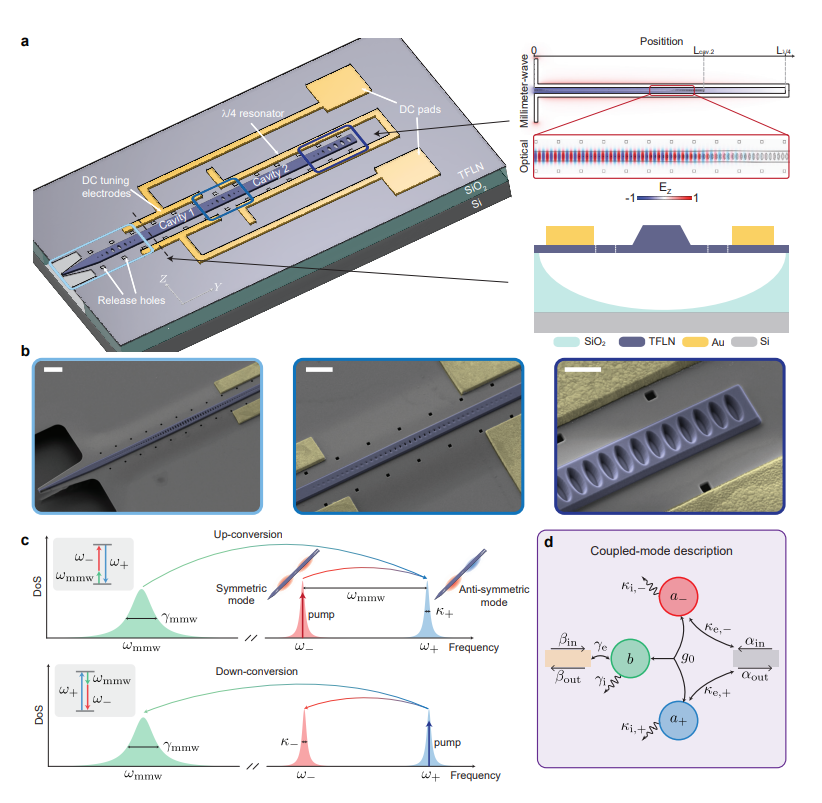
EPFL Demonstrates Millimeter-Wave-to-Optical Transducer with 67% Internal Efficiency
November 10, 2026

Why Quantum Hardware Needs Its Own Threat Model
November 9, 2026
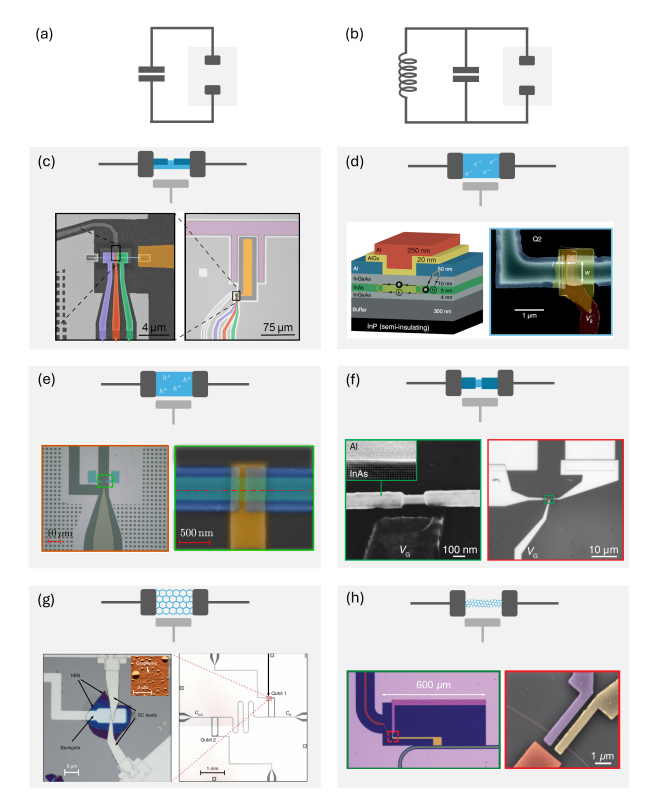
Physics Reports Analysis Evaluates Emergence of Hybrid Semiconductor–Superconducting Qubit Architectures
November 9, 2026
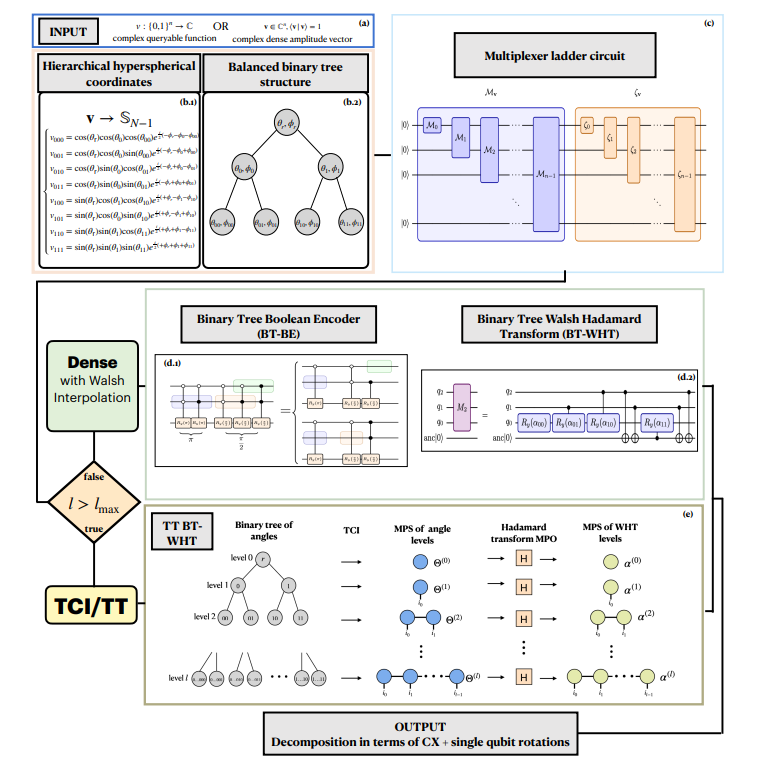
DLR Develops Scalable Unitary Data Encoding Beating Exponential State-Preparation Depth
November 9, 2026
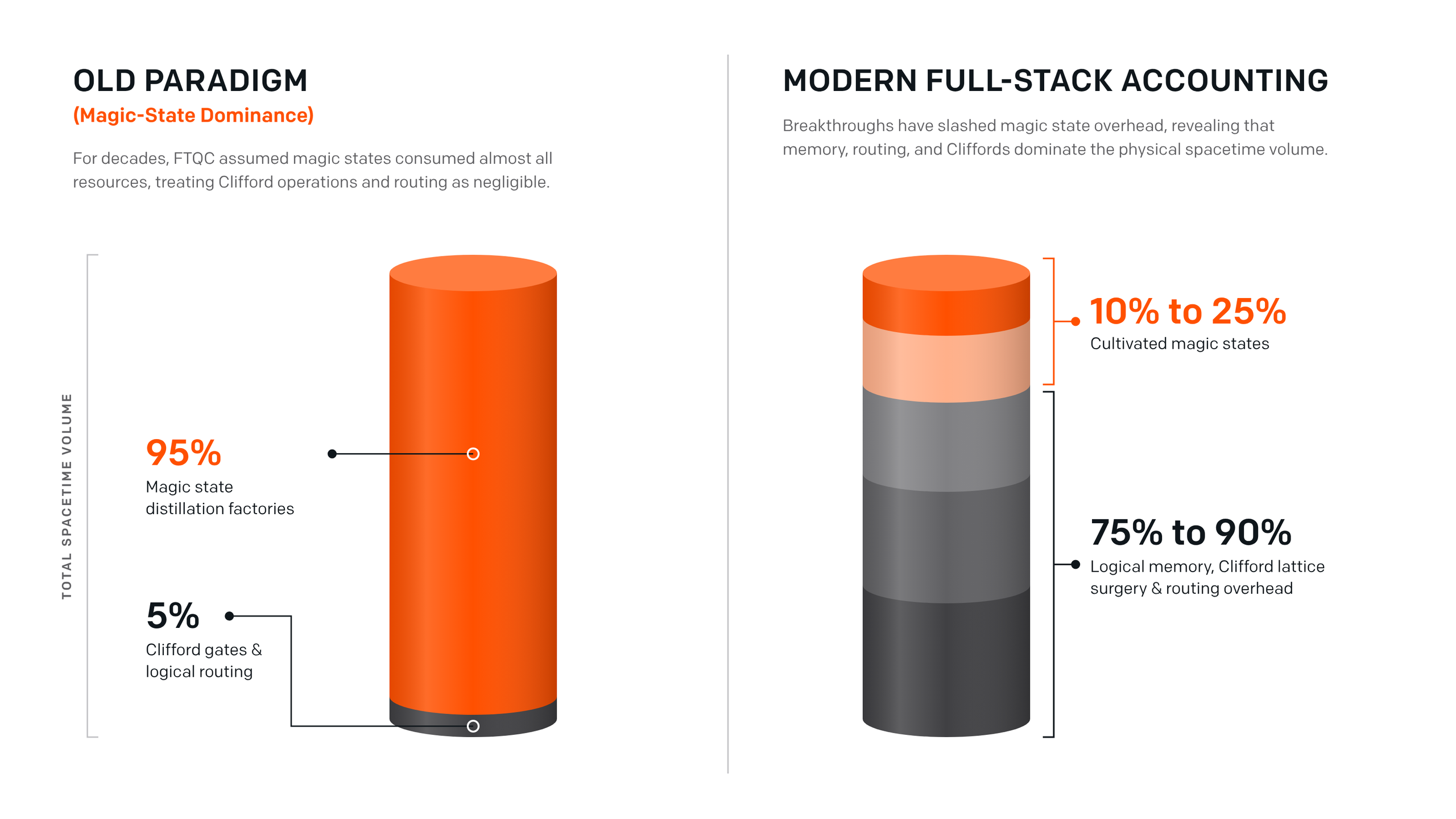
IonQ and Classiq Outline Architectural Trade-Offs in Fault-Tolerant Resource Estimation
November 9, 2026