NTT DOCOMO Deploys Second D-Wave Production Quantum Application to Optimize Telecom Network Signaling
Japanese telecommunications operator NTT DOCOMO has deployed its second commercial, production-grade quantum application powered by D-Wave Quantum Inc…

Japanese telecommunications operator NTT DOCOMO has deployed its second commercial, production-grade quantum application powered by D-Wave Quantum Inc. (NASDAQ: QBTS). Operating on D-Wave’s hybrid quantum annealing platform via the Leap™ cloud service, the application optimizes Tracking Area Lists (TA-Lists) across mobile networks, reducing daily peak location registration signaling by 65.3% and paging signaling load by 7.0%.
                [ NTT DOCOMO Network Signaling Optimization Pipeline ]
                                          │
     ┌────────────────────────────────────┴────────────────────────────────────┐
     ▼                                                                         ▼
  Production App 1: Single Tracking Area Paging              Production App 2: Multi-Tracking Area TA-Lists
  • In-Zone Paging Signal Optimization.                     • Multi-Base-Station Boundary Optimization.
  • 15% Reduction in Paging Load.                           • 65.3% Peak Location Registration Reduction.
  • Hybrid Annealing Execution via Leap™.                    • 7.0% Paging Signal Reduction (333 Base Stations).
Multi-Objective Network Optimization
Telecommunication networks organize geographic base stations into Tracking Area Lists (TA-Lists) to manage device handoffs and call routing. Optimizing TA-Lists presents a complex combinatorial challenge because location registration signals (triggered when a device crosses tracking boundaries) and paging signals (broadcast to locate devices for incoming connections) move in opposite directions—reducing one typically increases the other.
Benchmark Problem Size: In a operational benchmark spanning 333 base stations, three TA-Lists, and nine tracking areas, D-Wave’s hybrid quantum-classical solver executed the multi-objective optimization in approximately five minutes.
Operational Integration: NTT DOCOMO has integrated the generated network configurations directly into its day-to-day network planning and live operational infrastructure, supporting over 93 million mobile subscriptions across Japan.
Expanding Production Use Cases: This deployment builds on DOCOMO's initial D-Wave production application, which targeted paging efficiency within individual tracking areas, expanding quantum annealing from isolated use cases to network-wide infrastructure optimization.
Review the announcement on the D-Wave Press Room here, and examine our previous coverage of NTT DOCOMO and D-Wave Reporting 15% Mobile Network Performance Improvement here.
August 18, 2026
Related Intelligence

Test of USydney article with HTML.
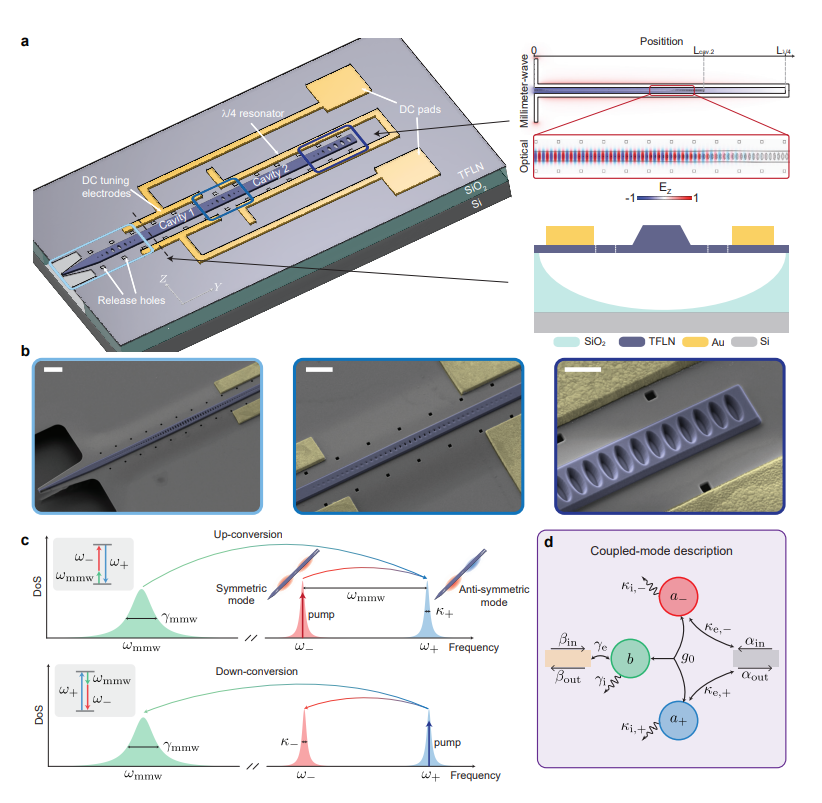
EPFL Demonstrates Millimeter-Wave-to-Optical Transducer with 67% Internal Efficiency
November 10, 2026

Why Quantum Hardware Needs Its Own Threat Model
November 9, 2026
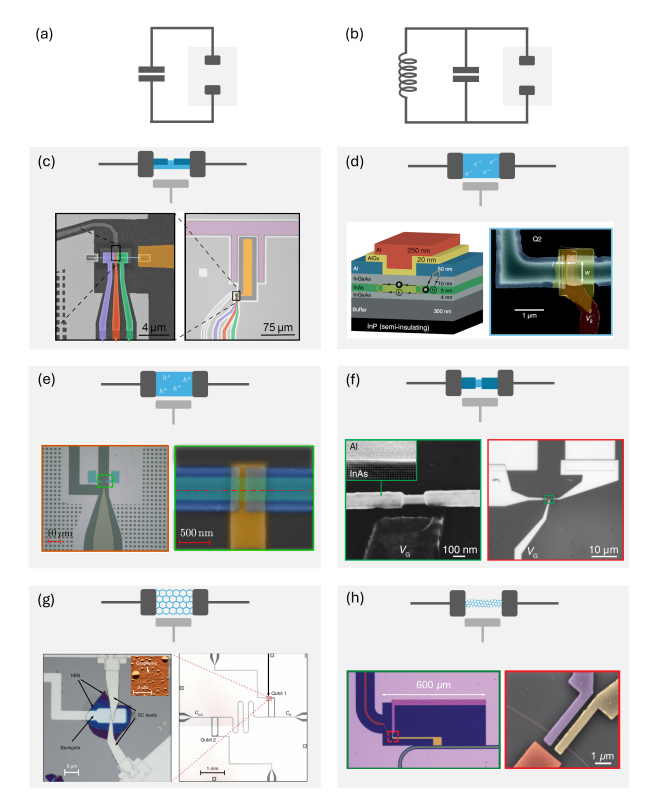
Physics Reports Analysis Evaluates Emergence of Hybrid Semiconductor–Superconducting Qubit Architectures
November 9, 2026
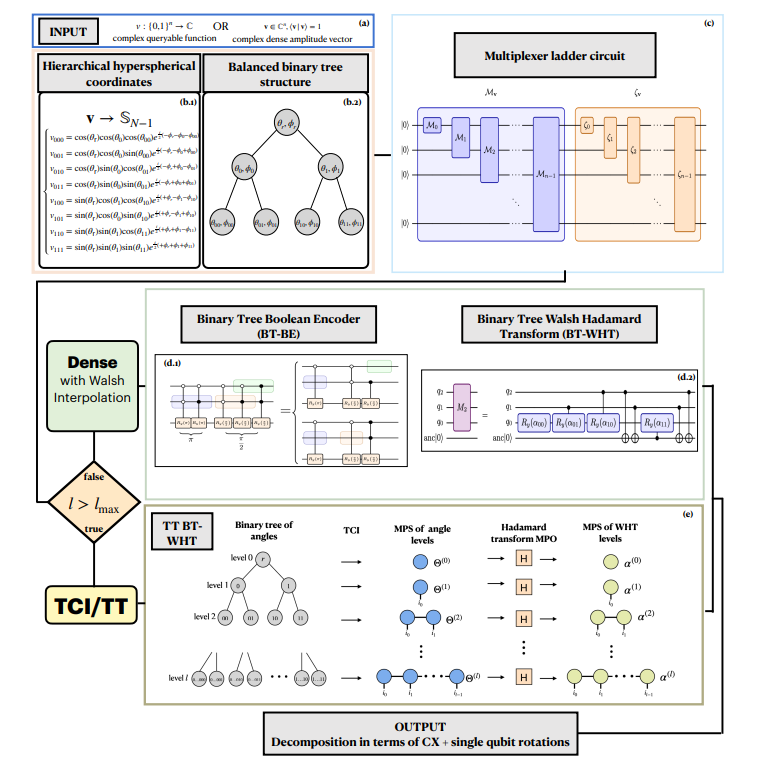
DLR Develops Scalable Unitary Data Encoding Beating Exponential State-Preparation Depth
November 9, 2026
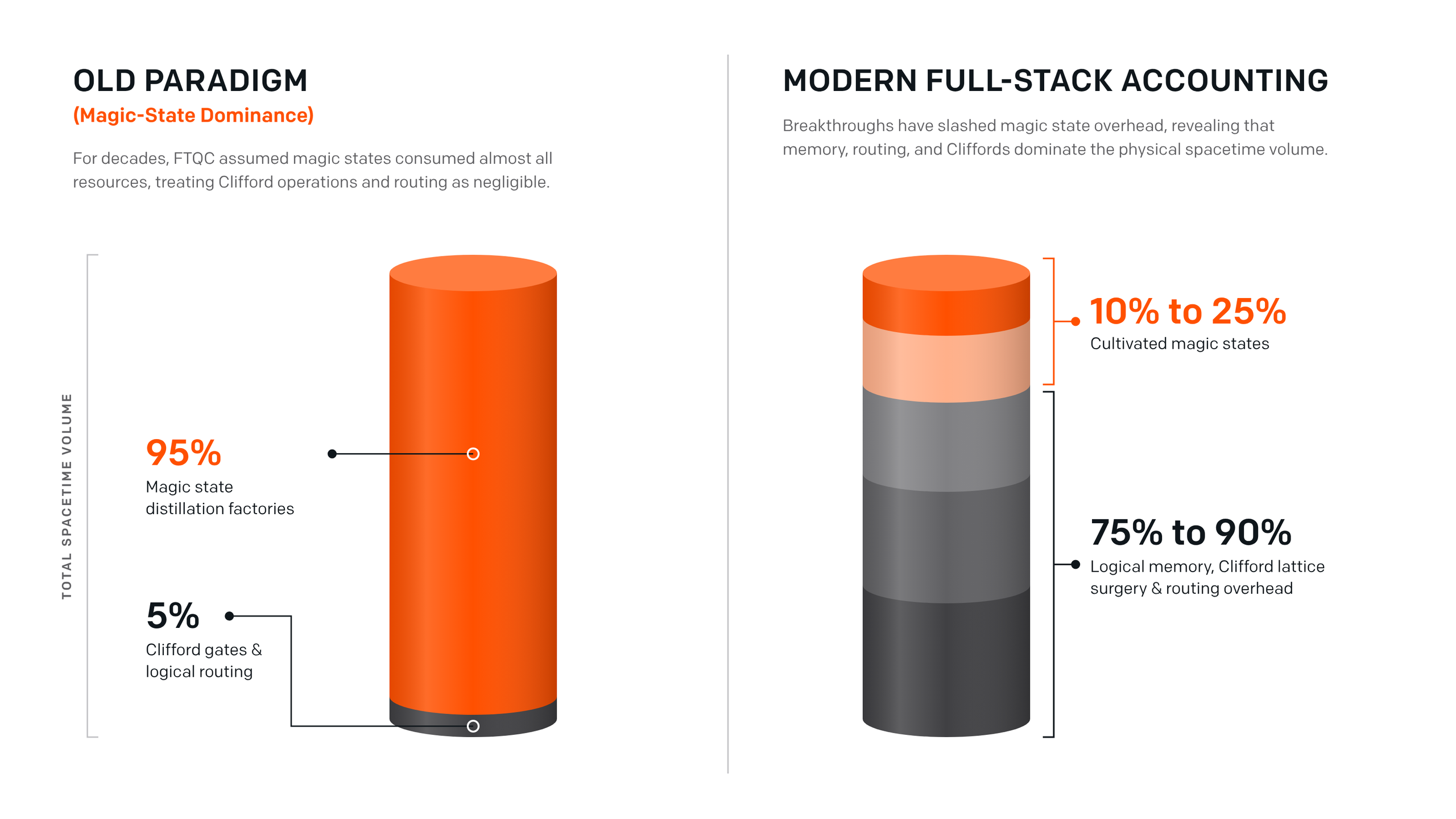
IonQ and Classiq Outline Architectural Trade-Offs in Fault-Tolerant Resource Estimation
November 9, 2026