Pasqal Launches Neutral-Atom Agentic Toolkit and Demonstrates QPU Workflows Across 258 Quantum Physics Papers
Pasqal has launched an AI-assisted workflow and an open-source Neutral-Atom Agentic Toolkit, enabling the translation of scientific papers and concepts…

Neutral-atom quantum computing provider Pasqal (NASDAQ: PSQL) has launched an AI-assisted workflow on Pasqal Cloud alongside the release of its open-source Neutral-Atom Agentic Toolkit. Available as an add-on for leading agentic coding environments—including Claude Code, Cursor, Codex, and Gemini CLI—the software stack automates the engineering pipeline required to translate scientific papers, patents, or natural-language concepts into validated experiments on physical quantum processing units (QPUs).
To validate the agentic framework, Pasqal evaluated the software across three end-to-end hardware case studies on its FC1 (Canada) and SA1 (Saudi Arabia) QPUs. In tandem, Pasqal deployed an automated agentic pipeline to screen a corpus of 633 arXiv quantum theory papers, demonstrating that 258 papers (49.0%) describe protocols that can be executed on present-day Pasqal QPUs directly or with modest adaptation.
[ Pasqal Agentic QPU Experimentation & Literature Reach Profile ] | |||
Workflow Phase / Trial | Target Domain / Source | Hardware / Emulation Setup | Demonstrated Technical & Physics Outcome |
• 1. Literature Reproduction | • Kibble-Zurek Z₂ Phase Transition (Keesling et al., 2019) | • 56-atom ring on FC1 (Canada) & 96-atom ring on SA1 (Saudi Arabia) | • Correctly identified Z₃/Z₄ hardware limits; adapted protocol to reproduce density-density correlation length (ξ = 4.2 sites). |
• 2. Theory Translation | • Frustrated Triangular Quantum Magnetism (Guo et al.) | • 49-atom (L=7) & 100-atom (L=10) rhombic registers on FC1 | • Identified maximum detuning limits (|δ|/2π ≤ 10 MHz); successfully prepared the 1/3-filling plateau staggered order parameter. |
• 3. Patent Implementation | • Iterative Graph Coloring via Rydberg IS Peeling (Pasqal Patent) | • Multi-round open-batch execution on FC1 (Up to 80-node graphs) | • Managed classical-quantum feedback and beam search across rounds; achieved exact chromatic numbers up to 20-node graphs. |
• Corpus Feasibility Scan | • 526 Classified arXiv Rydberg Papers | • Pasqal Cloud QPU Feature Matrix | • 258 papers (49.0%) implementable today; remaining 51% identify hardware targets (141 need XY spin exchange, 87 need local addressing). |
Closed-Loop Safety, Software Stack, and Corpus Findings
The Neutral-Atom Agentic Toolkit operates through five modular, human-in-the-loop steps—Specify, Implement, Emulate, Submit, and Analyse—leaving human-readable files (`experiment_spec.json`, Pulser Python scripts, and shot JSONs) at every stage. Built-in execution guardrails enforce that emulation must precede QPU hardware execution, while requiring explicit human authorization before any shot budget is billed or submitted to Pasqal Cloud endpoints.
The toolkit interfaces natively with Pasqal's core software stack, including Pulser for pulse-sequence design, emu-mps for matrix-product-state classical simulation, and the Pasqal Cloud SDK for real-time QPU calibration telemetry across its cloud hardware endpoints: Ruby (operated by GENCI at CEA in France), FC1 (Sherbrooke, Québec), and SA1 (Saudi Arabia). By automating register layout, pulse shaping, and result extraction, the framework removes the software engineering burden from researchers while keeping scientific interpretation, observable selection, and physical validation centered with human domain experts.
Review the newsroom release on the Pasqal Newsroom here, inspect the toolkit portal on Pasqal Toolkit here, review technical documentation on Pasqal Docs here, read the technical blog on Pasqal Blog here, examine the executive guide on Pasqal Insights here, and inspect the technical manuscript on arXiv here.
October 21, 2026
Related Intelligence

Test of USydney article with HTML.
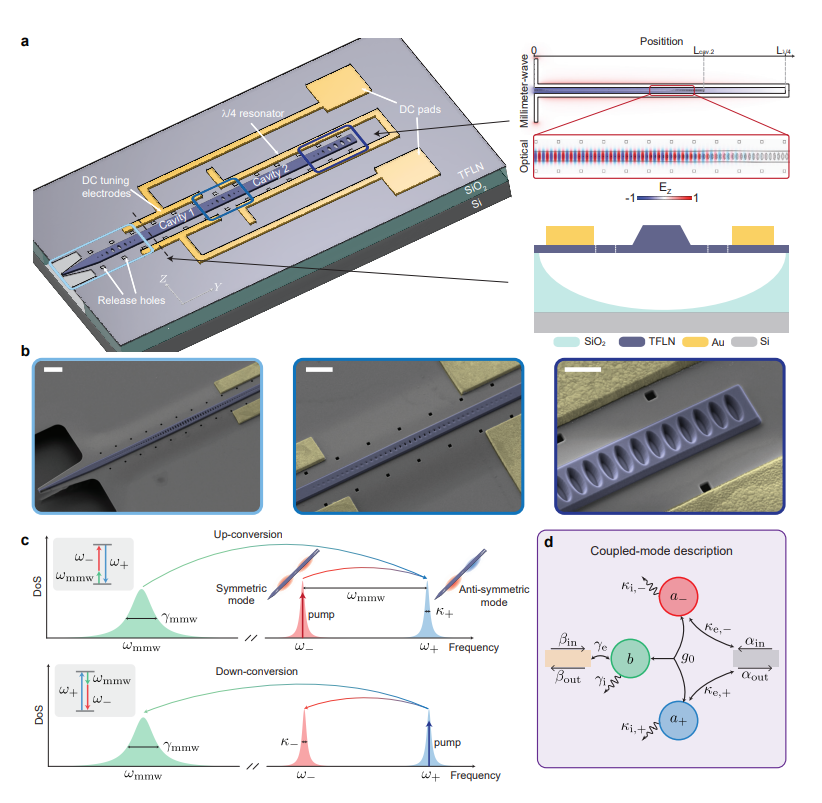
EPFL Demonstrates Millimeter-Wave-to-Optical Transducer with 67% Internal Efficiency
November 10, 2026
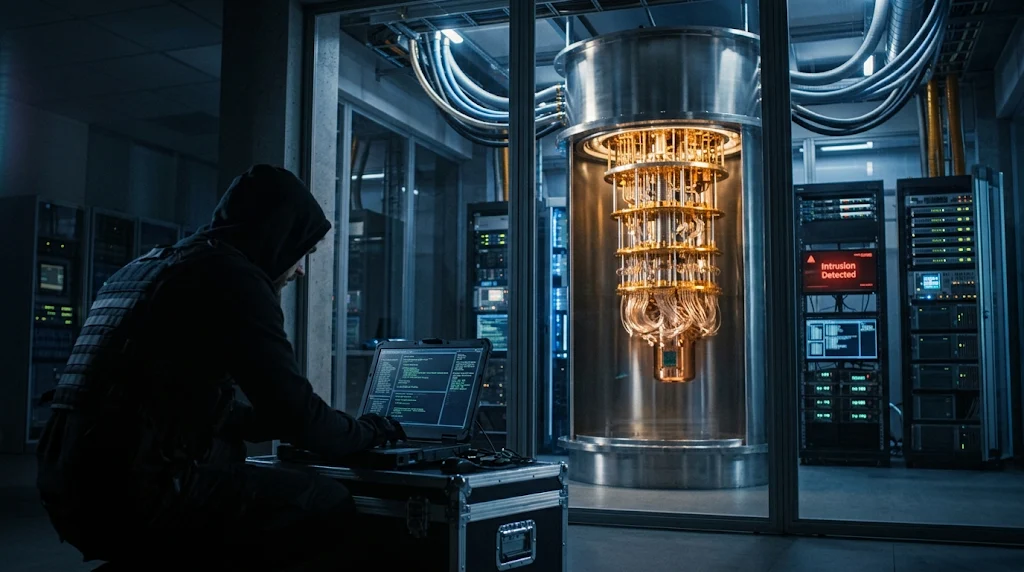
Why Quantum Hardware Needs Its Own Threat Model
November 9, 2026
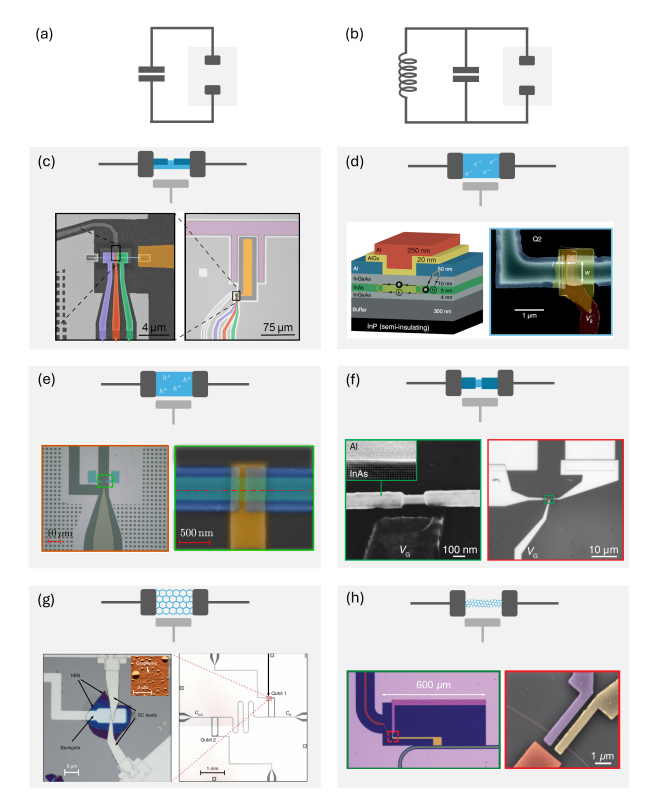
Physics Reports Analysis Evaluates Emergence of Hybrid Semiconductor–Superconducting Qubit Architectures
November 9, 2026
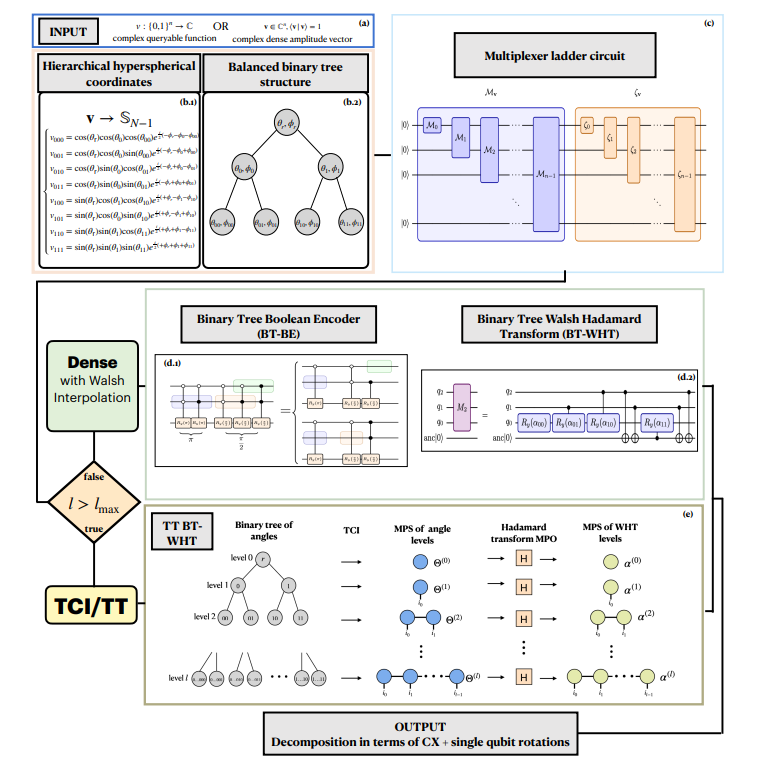
DLR Develops Scalable Unitary Data Encoding Beating Exponential State-Preparation Depth
November 9, 2026
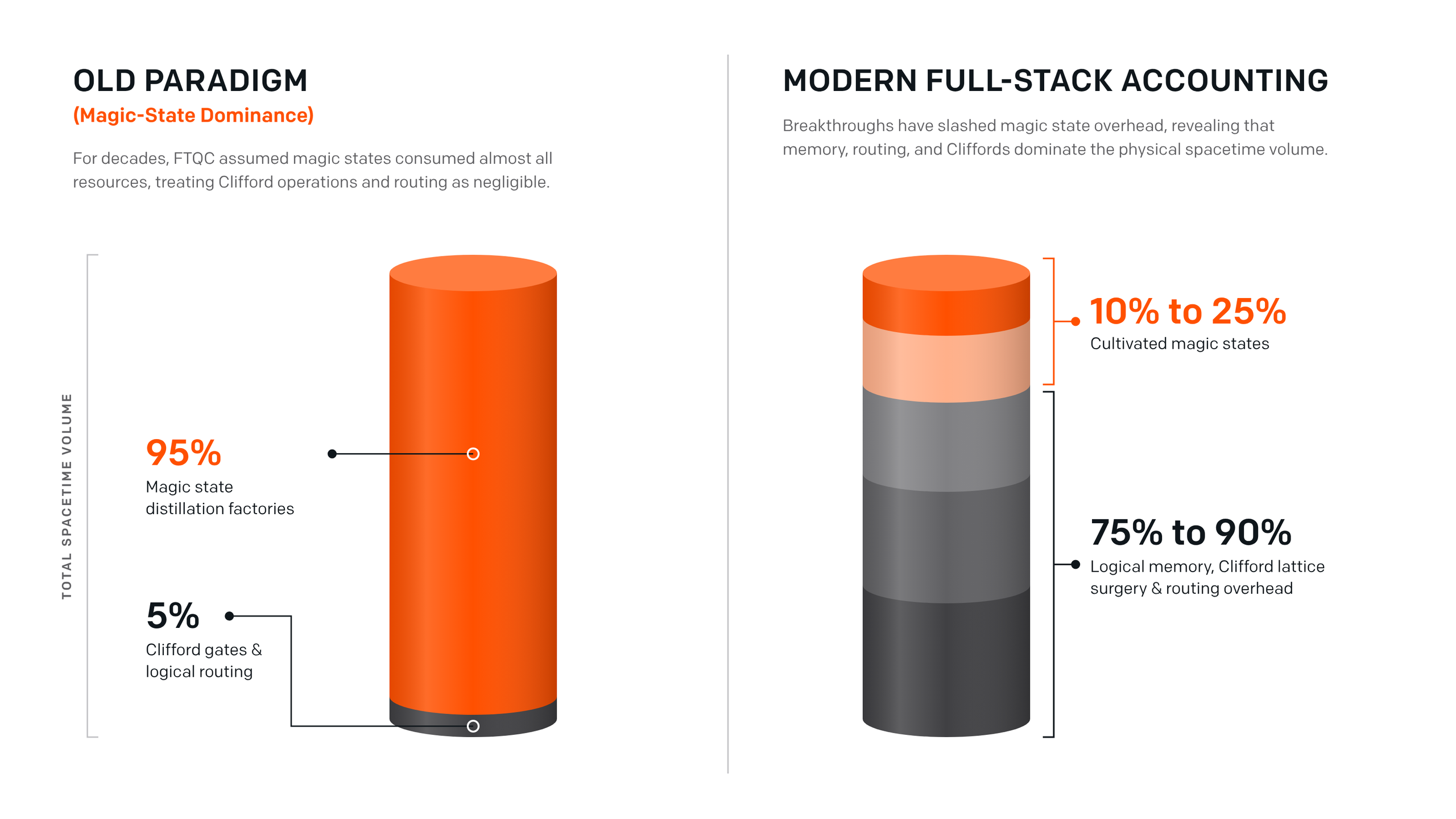
IonQ and Classiq Outline Architectural Trade-Offs in Fault-Tolerant Resource Estimation
November 9, 2026