Q-CTRL Integrates NVIDIA Ising to Scale Physics-Informed Quantum Autonomy
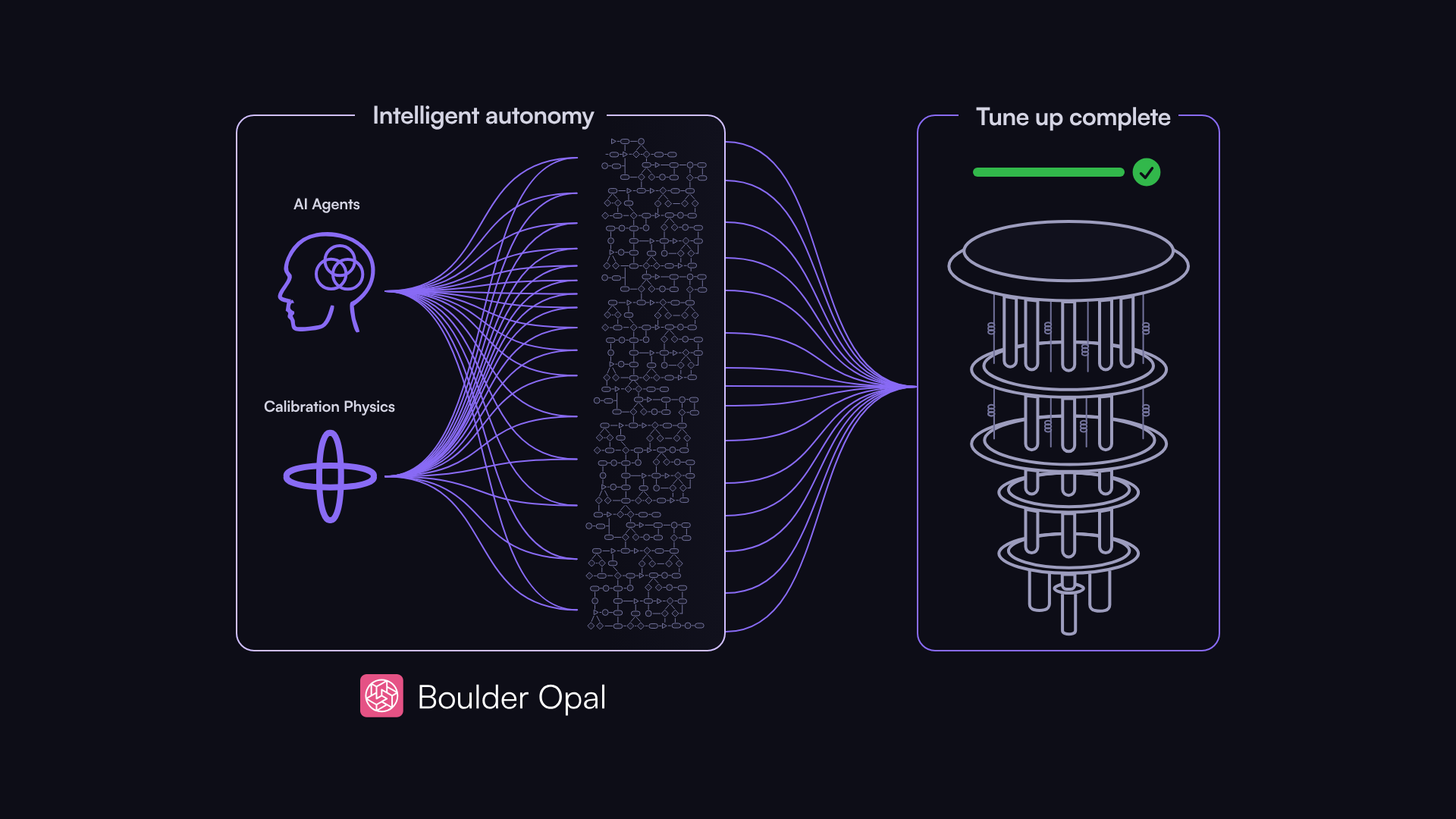
Q-CTRL has announced the integration of the NVIDIA Ising open model family into its Boulder Opal Scale Up software, a move designed to replace manual calibration with autonomous, physics-informed AI agents. As quantum processors scale toward thousands of qubits, the complexity of characterizing noise sources and tuning gates grows non-linearly, creating an operational bottleneck. Q-CTRL’s approach avoids general-purpose "black-box" models in favor of a hybrid strategy that encodes the fundamental laws of physics and control theory as deterministic guardrails for AI inference.
The integration utilizes NVIDIA Ising Calibration, a vision-language model (VLM), to interpret complex 2D measurement data from quantum hardware. This AI-driven data interpretation feeds into Q-CTRL’s decision framework, allowing the software to perform real-time anomaly detection and hardware tuning without human intervention. By coupling this with NVIDIA NVQLink—a high-speed interconnect between quantum controllers and GPU clusters—Q-CTRL demonstrated a 50x reduction in classical-communication latency, a critical factor for maintaining the tight feedback loops required for quantum hardware stability.
In a recent deployment on a 21-qubit QuantWare processor, Q-CTRL utilized its autonomous "cold-start" bootup routine to tune the device from a state of zero prior information. The software achieved a 2x improvement in median gate fidelity compared to previous manual efforts by human experts and successfully restored functionality to hardware components previously deemed inoperable. This "intelligent autonomy" model is intended to enable IT generalists to operate quantum-enhanced data centers, reducing the industry’s dependence on specialized doctoral-level engineering teams for daily system maintenance.
For the technical blog on physics-informed AI and NVIDIA Ising integration, consult the Q-CTRL newsroom here. Details on the NVIDIA Ising open model family and its role in quantum-GPU supercomputing can be found via the NVIDIA newsroom here.
April 15, 2026
Related Intelligence
Test of USydney article with HTML.
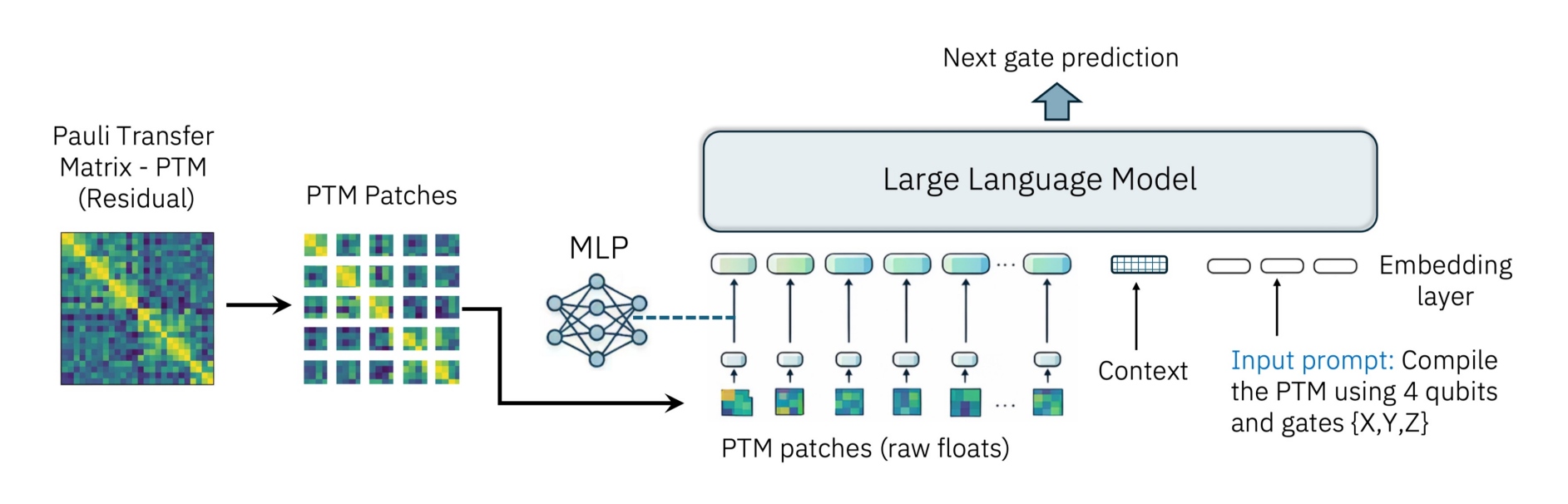
MIT and IBM Project Quantum Unity Operators into Language Model Latent Spaces for Multimodal Circuit Synthesis
July 11, 2026

ETH Zurich Combines Superconducting Qubits with Mechanical Resonators to Build Vibrating Quantum RAM
July 11, 2026
Google and Fraunhofer Launch Global Calls for Early Fault-Tolerant Algorithms and Enterprise Use Cases
July 11, 2026

Who’s News: Strategic Appointments at Photonic, Aliro Quantum, Florida Atlantic University, QuSecure, Quantum Elements, and QAI Ventures
July 11, 2026
EeroQ Validates CMOS-Controlled Electron Shuttling on Superfluid Helium for All-to-All Qubit Routing
July 11, 2026