Qblox Achieves Sub-4 Microsecond Latency Integrating NVIDIA DGX Spark and RTX PRO 6000 Blackwell via NVQLink
Qblox has integrated its quantum system controller with NVIDIA DGX Spark and RTX PRO 6000 Blackwell GPUs using NVIDIA NVQLink, achieving real-time…
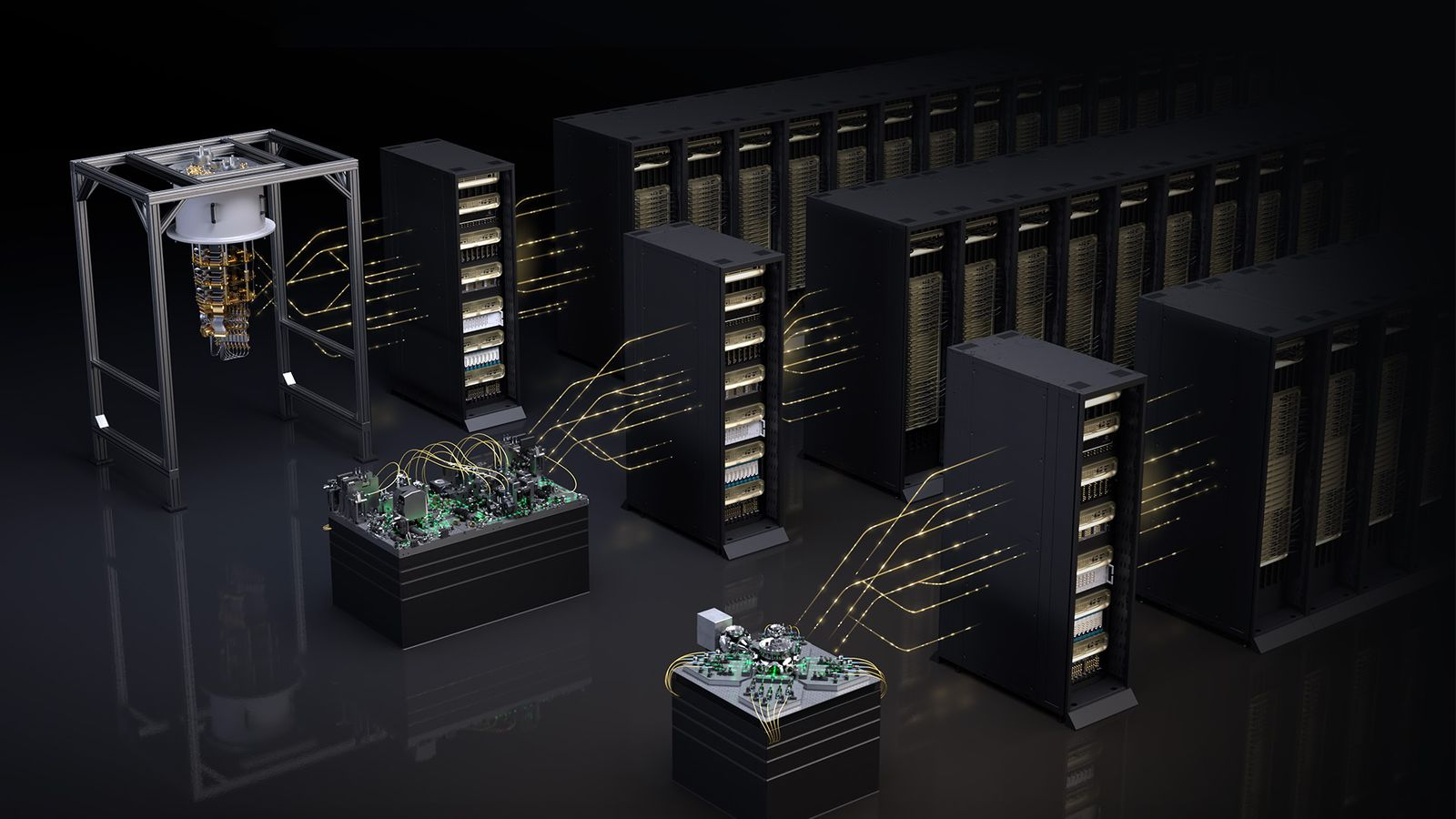
Quantum control electronics provider Qblox has announced the integration of its scalable quantum system controller with NVIDIA DGX Spark and desktop workstations using NVIDIA NVQLink, achieving measured real-time roundtrip latencies below 4.0 microseconds on NVIDIA RTX PRO 6000 Blackwell GPUs and below 7.2 microseconds on NVIDIA DGX Spark.
Building on initial NVQLink architecture announcements in late 2025 and real-time API integrations with NVIDIA CUDA-Q in March 2026, the milestone validates hardware-executed, closed-loop communications between Qblox's Cluster control plane and GPU processing nodes. By embedding GPU acceleration directly into the active quantum control loop via Qblox's Q1 sequence processors and LINQ low-latency backplane, the system enables continuous, real-time qubit parameter calibration during running experiments and provides sub-4.0 microsecond transport for quantum error correction (QEC) syndrome data to GPU-based decoders.
[ Qblox / NVIDIA Real-Time Hybrid Hardware Benchmarks ] | ||
GPU Acceleration Endpoint | Measured Roundtrip Control Latency | Target Operational Function |
• NVIDIA RTX PRO 6000 Blackwell | • < 4.0 microseconds | • Ultra-low-latency real-time QEC syndrome decoding & dynamic pulse shaping. |
• NVIDIA DGX Spark | • < 7.2 microseconds | • Desktop AI supercomputer integration for live qubit calibration & simulation. |
• Qblox Control Architecture | • Q1 Sequence Processors & LINQ Interconnect | • Hardware control plane orchestrating multi-qubit signal delivery to physical QPUs. |
• Software Stack | • NVIDIA CUDA-Q Real-Time API | • Unified code execution from local desktop units to data center GPU clusters. |
The desktop-scale hardware setup provides researchers with a unified development environment capable of running quantum, AI, and classical simulation workloads locally via CUDA-Q, with identical control code scaling directly to GPU supercomputer clusters as physical qubit counts expand.
Review the announcement on the Qblox Newsroom here.
October 22, 2026
Related Intelligence

Test of USydney article with HTML.
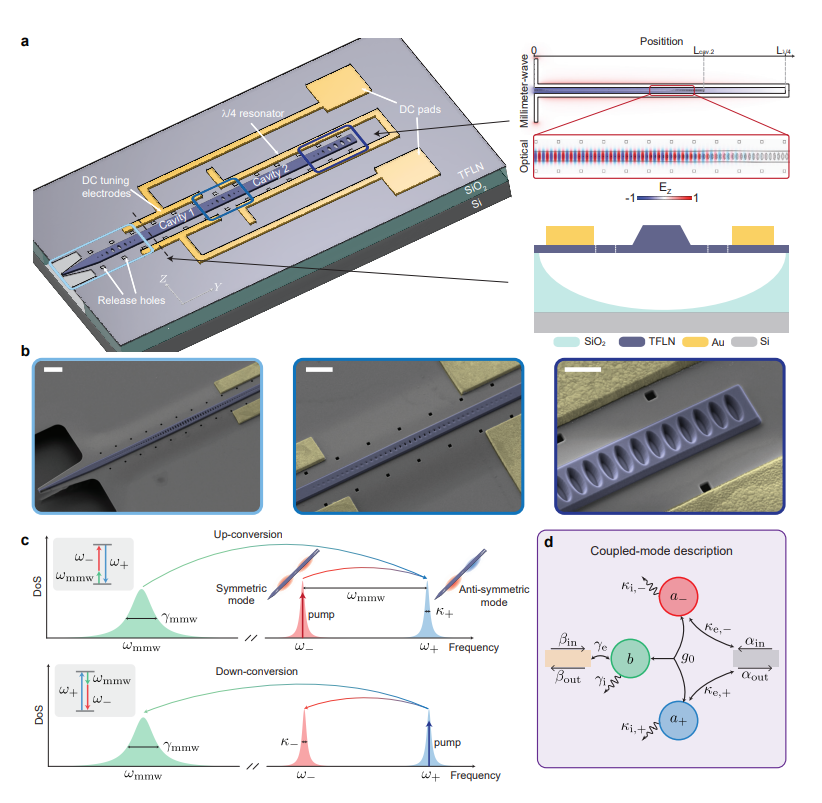
EPFL Demonstrates Millimeter-Wave-to-Optical Transducer with 67% Internal Efficiency
November 10, 2026
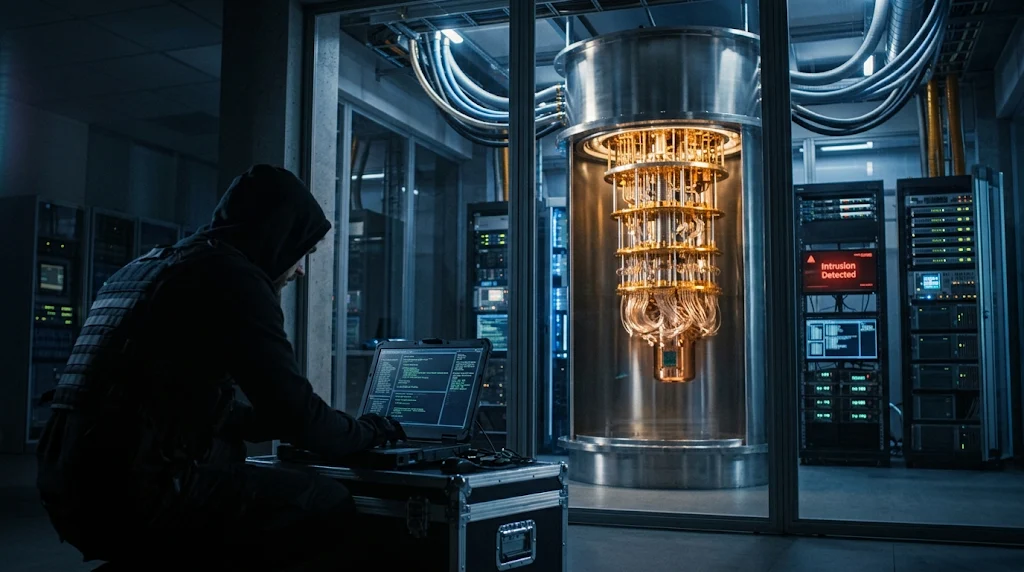
Why Quantum Hardware Needs Its Own Threat Model
November 9, 2026
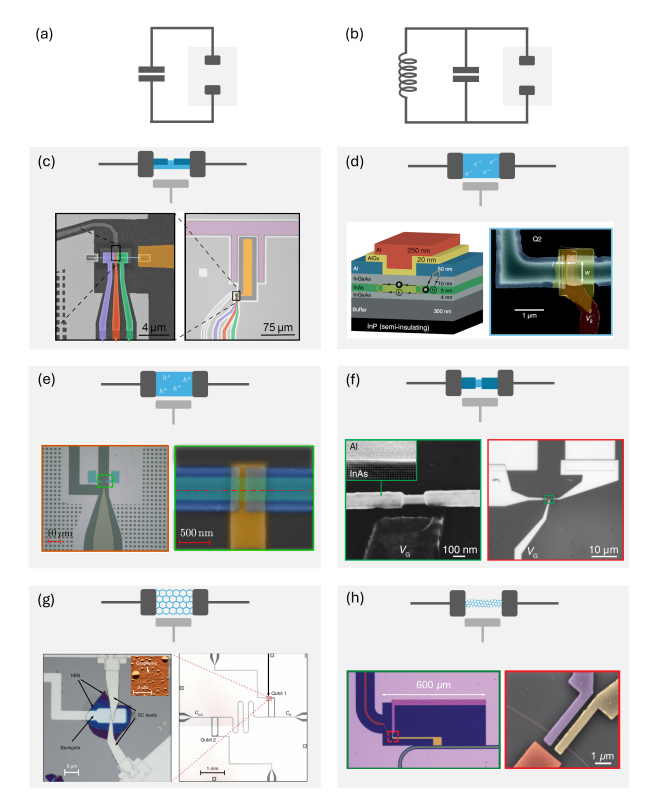
Physics Reports Analysis Evaluates Emergence of Hybrid Semiconductor–Superconducting Qubit Architectures
November 9, 2026
DLR Develops Scalable Unitary Data Encoding Beating Exponential State-Preparation Depth
November 9, 2026
IonQ and Classiq Outline Architectural Trade-Offs in Fault-Tolerant Resource Estimation
November 9, 2026