Quantinuum Finalizes $100 Million CHIPS Act R&D Award to Accelerate Trapped-Ion Manufacturing
Quantinuum has finalized a $100 million CHIPS Act R&D award to accelerate the manufacturing of trapped-ion quantum hardware. …

Trapped-ion quantum hardware developer Quantinuum (NASDAQ: QNT) has finalized a definitive agreement with the U.S. Department of Commerce’s CHIPS Research and Development Office to receive $100 million in direct federal R&D funding under the CHIPS and Science Act. Following the initial letter of intent announced in May 2026, the finalized award provides capital to strengthen domestic semiconductor manufacturing capabilities, advance integrated optics, and scale fault-tolerant quantum computers built on Quantinuum's Quantum Charge-Coupled Device (QCCD) architecture.
The federal funding supports specific supply chain expansion initiatives designed to transition trapped-ion processing units from discrete optical setups toward volume-manufacturable semiconductor platforms. Quantinuum is enlisting GlobalFoundries to fabricate its next-generation ion traps and control electronics using 300mm wafer semiconductor fabrication lines. Simultaneously, the company is partnering with Monarch Quantum to develop and manufacture integrated photonic light engines, co-packaged lasers, and optical components engineered to replace bulk free-space laser optics.
By shifting trap fabrication to commercial foundries and integrating optical control directly onto the chip, the collaborative effort aims to reduce physical component complexity, improve gate reproducibility, and establish a resilient domestic supply chain for utility-scale quantum hardware. The transaction represents Quantinuum's participation in the broader $2 billion federal CHIPS Act initiative designed to secure U.S. semiconductor and quantum hardware manufacturing sovereignty.
Review the official press release here, access our previous coverage of the initial U.S. Department of Commerce CHIPS Act Quantum Allocations here, and examine our analysis of GlobalFoundries' Onshore Quantum Hardware Manufacturing Unit here.
September 8, 2026
Related Intelligence

Test of USydney article with HTML.
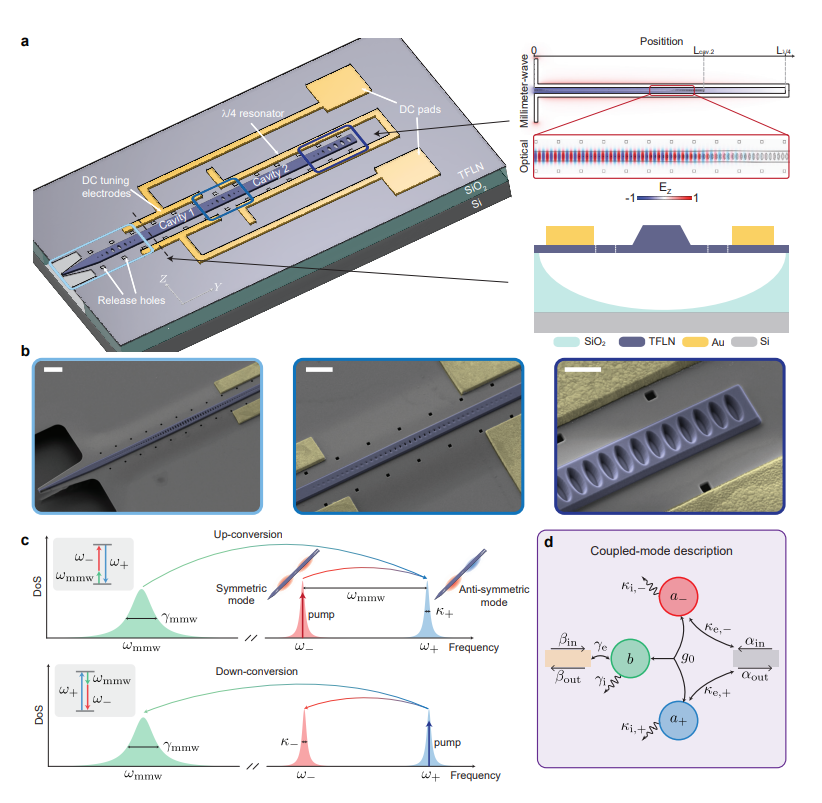
EPFL Demonstrates Millimeter-Wave-to-Optical Transducer with 67% Internal Efficiency
November 10, 2026

Why Quantum Hardware Needs Its Own Threat Model
November 9, 2026
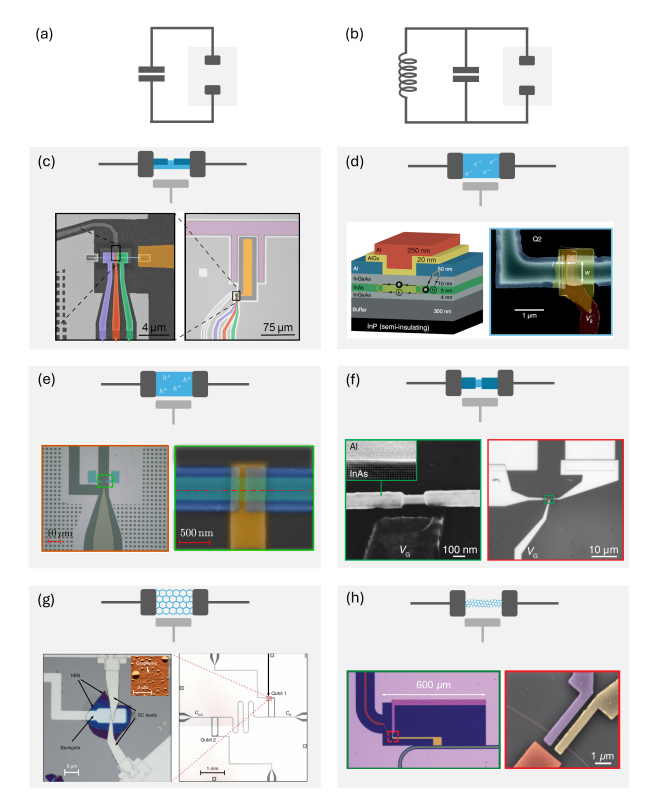
Physics Reports Analysis Evaluates Emergence of Hybrid Semiconductor–Superconducting Qubit Architectures
November 9, 2026
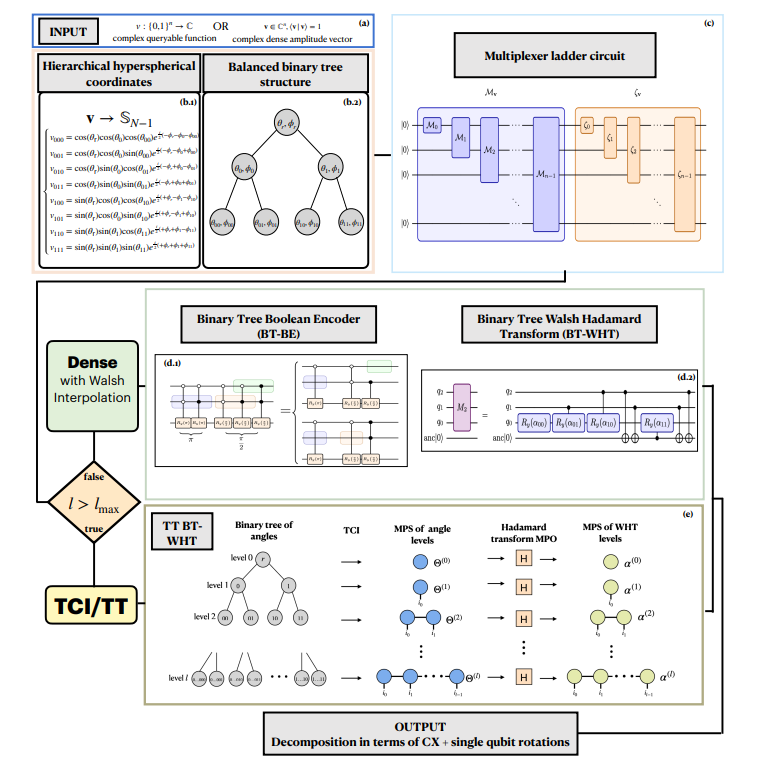
DLR Develops Scalable Unitary Data Encoding Beating Exponential State-Preparation Depth
November 9, 2026
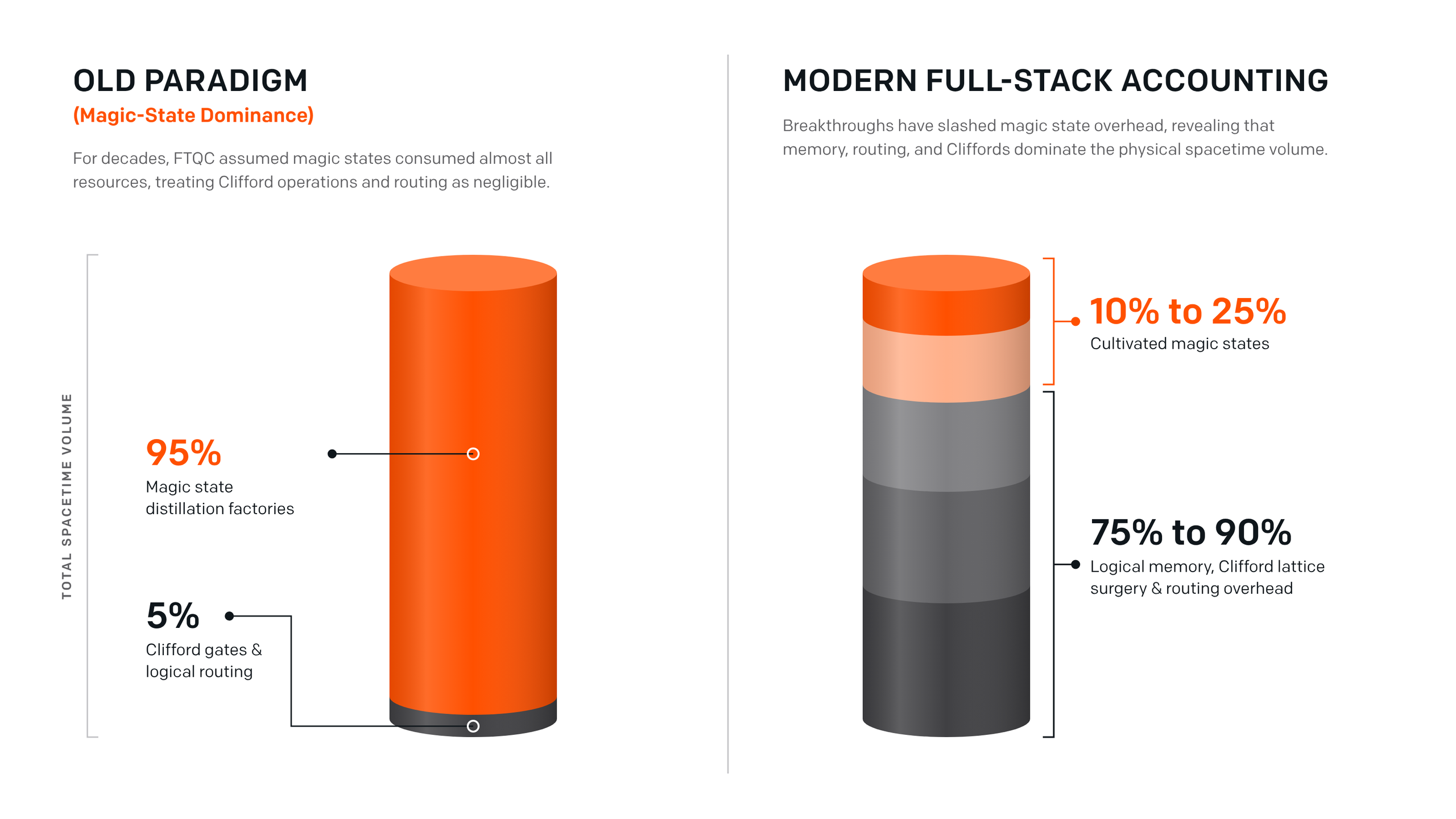
IonQ and Classiq Outline Architectural Trade-Offs in Fault-Tolerant Resource Estimation
November 9, 2026