Quantum eMotion and JMEM TEK Execute Consortium Agreement for Hardware Root-of-Trust SoC Development
Quantum eMotion Corp. (QeM) and Taiwan-based secure semiconductor designer JMEM TEK have executed an international project consortium agreement to…

Quantum eMotion Corp. (QeM) and Taiwan-based secure semiconductor designer JMEM TEK have executed an international project consortium agreement to develop a quantum-resilient Universal Security System-on-Chip (SoC). The contract solidifies a memorandum of understanding signed in September 2025 and transitions the partnership into a structured R&D phase under the Canada–Taiwan 2024–25 Collaborative R&D Program (CIIP). The joint venture establishes a operational runtime extending through June 30, 2027, governed by a multi-organizational steering committee and specialized technical working groups. Commercial revenues generated by the resulting security hardware platform will be shared proportionally based on a valuation model to be finalized before market entry.
Technical Architecture & Specifications / Operational Implementation
The technical framework combines QeM’s proprietary electron-tunneling diode-based quantum entropy source with JMEM TEK’s secure chip design infrastructure. The chip architecture integrates a Physical Unclonable Function (PUF), Post-Quantum Cryptography (PQC) accelerators, and hardware root-of-trust subsystems to support encrypted boot processes. Under the project schedule, the engineering pipeline requires the delivery of an initial SoC prototype, peripheral component interconnect express (PCIe) boards, and dedicated server appliances intended for Cryptography-as-a-Service (CaaS) and Entropy-as-a-Service (EaaS) deployments. The engineering team will also produce cryptographic software development kits (SDKs), application programming interfaces (APIs), and compliance data mapped to FIPS 140-3 and Federal Risk and Authorization Management Program (FedRAMP) standards.
Strategic Positioning & Ecosystem Integration
The joint program targets hardware-level deployment across high-assurance fields, including artificial intelligence data centers, defense communications, autonomous automotive systems, and critical infrastructure networks. Intellectual property (IP) clauses protect all foundational background IP, retaining it under the sole ownership of the originating company, while designating all jointly developed foreground IP as co-owned assets. Any subsequent commercial licensing or sublicensing of the foreground technology requires mutual written consent from both corporate boards. The platform aims to capitalize on market demand for localized, sovereign semiconductor hardware supply chains capable of resisting cryptanalytic attacks enabled by quantum infrastructure.
You can review the official press release regarding the partnership here. For historical context on this joint development, examine the Quantum Computing Report analysis of the initial framework agreement here.
May 19, 2026
Related Intelligence

Test of USydney article with HTML.
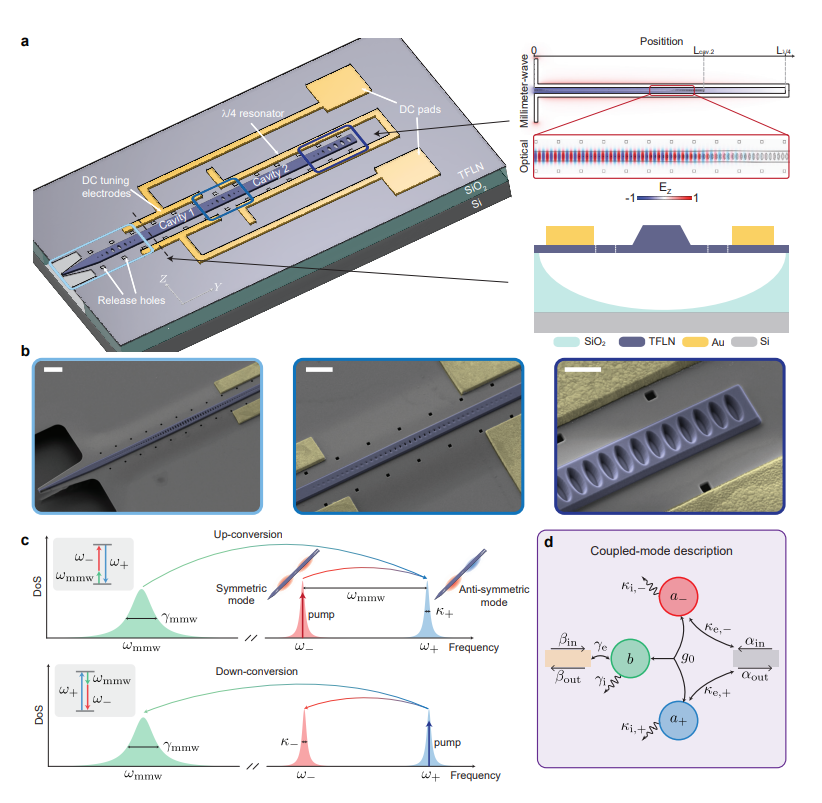
EPFL Demonstrates Millimeter-Wave-to-Optical Transducer with 67% Internal Efficiency
November 10, 2026

Why Quantum Hardware Needs Its Own Threat Model
November 9, 2026
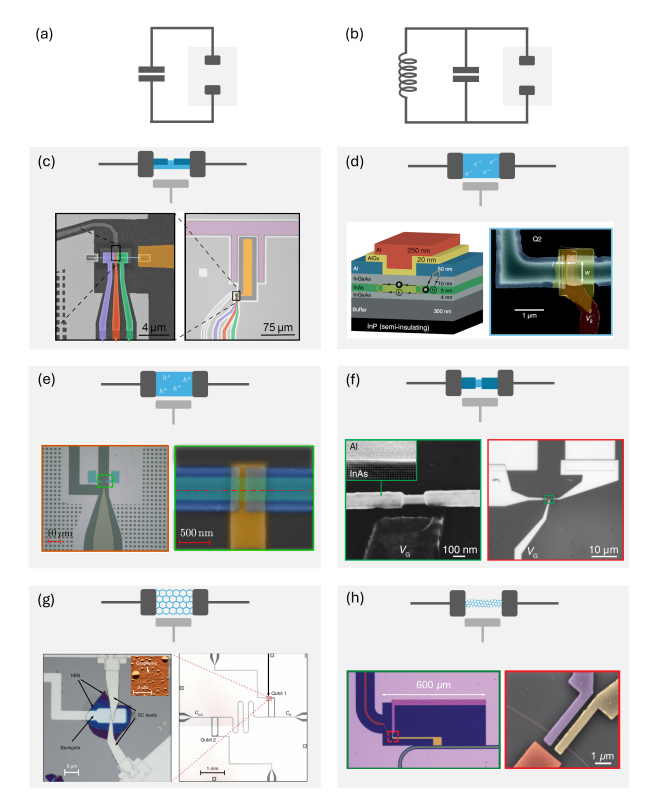
Physics Reports Analysis Evaluates Emergence of Hybrid Semiconductor–Superconducting Qubit Architectures
November 9, 2026
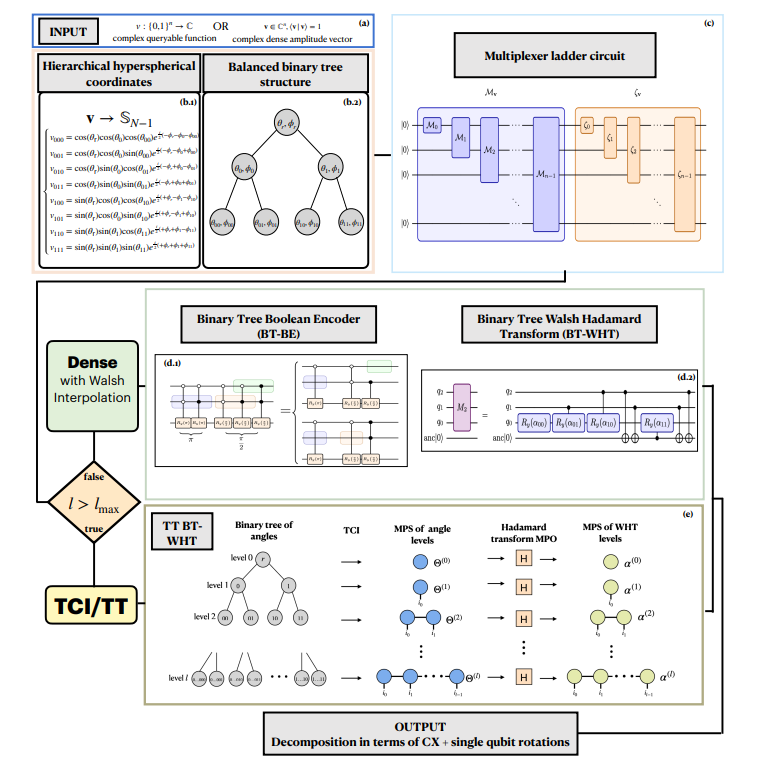
DLR Develops Scalable Unitary Data Encoding Beating Exponential State-Preparation Depth
November 9, 2026
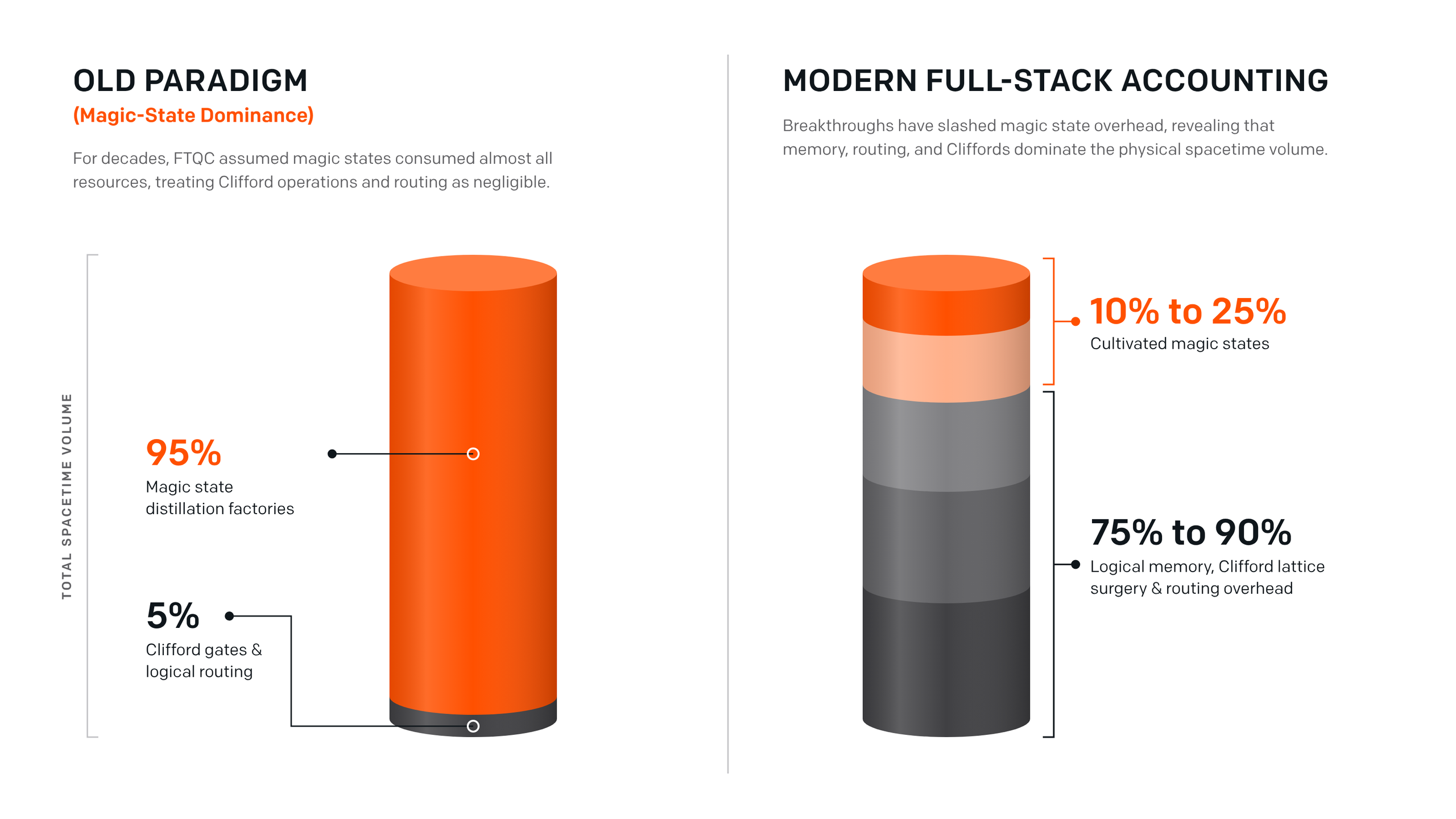
IonQ and Classiq Outline Architectural Trade-Offs in Fault-Tolerant Resource Estimation
November 9, 2026