Quantum Motion Establishes Silicon CMOS Hardware Base within Discovery District Maryland
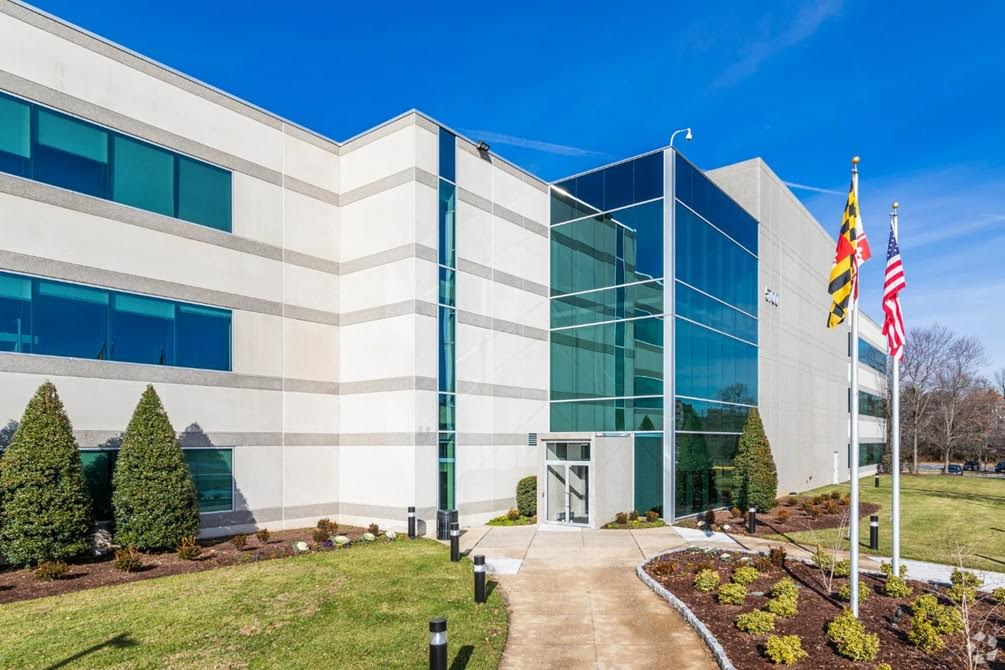
Silicon spin-qubit developer Quantum Motion has finalized an agreement to establish an engineering facility within the Capital of Quantum (CoQ) deep-tech complex located in Discovery District Maryland. The United Kingdom-headquartered firm joins an established hardware cluster that houses IQM’s primary United States Quantum Technology Center and Microsoft’s Quantum Research Center. The regional expansion is designed to deploy Quantum Motion's full-stack silicon complementary metal-oxide-semiconductor (CMOS) architectures alongside existing ion-trap, photonic, topological, and superconducting modalities. This expansion supports specialized testing infrastructure tailored for federal collaboration and high-throughput hardware characterization pipelines.
CMOS Manufacturing Leverage and Cross-Border Research Integration
Quantum Motion’s hardware strategy relies on manufacturing quantum processing units (QPUs) by utilizing standard silicon transistor fabrication techniques identical to those found in commercial consumer electronics. By encoding quantum information into the spin states of electrons confined within mass-produced silicon structures, the company intends to leverage existing semiconductor foundries to bypass the fabrication yield barriers that frequently complicate alternative qubit modalities. The College Park installation connects Quantum Motion's international research and development nodes spanning London, San Sebastián, and Sydney with the commercial and defense infrastructure of the Washington metropolitan corridor. This includes proximity to the National Institute of Standards and Technology (NIST), NASA Goddard Space Flight Center, the Army Research Laboratory, and the University of Maryland’s Joint Quantum Institute.
Operational Mandate: The DARPA Quantum Benchmarking Hub
A primary operational objective for the new facility is its integration into the Capital of Quantum Benchmarking Hub, where Quantum Motion will actively support the Defense Advanced Research Projects Agency (DARPA) Quantum Benchmarking Initiative (QBI). The national program is structured to execute rigorous, metrics-driven evaluations of commercial quantum hardware platforms to validate scalable, fault-tolerant roadmaps for public-sector and defense workloads. Backed by the CoQ Initiative—a five-year, $1 billion public-private partnership funded by the State of Maryland, the University of Maryland, and private industrial stakeholders—the site will provide verified hardware testing parameters to federal agencies, optimizing code performance and verification metrics before scaling architectures toward utility-scale data center integration.
The official deployment announcement and regional technology-transfer parameters can be reviewed via the active Capital of Quantum Pressroom here.
June 15, 2026
Related Intelligence

Test of USydney article with HTML.
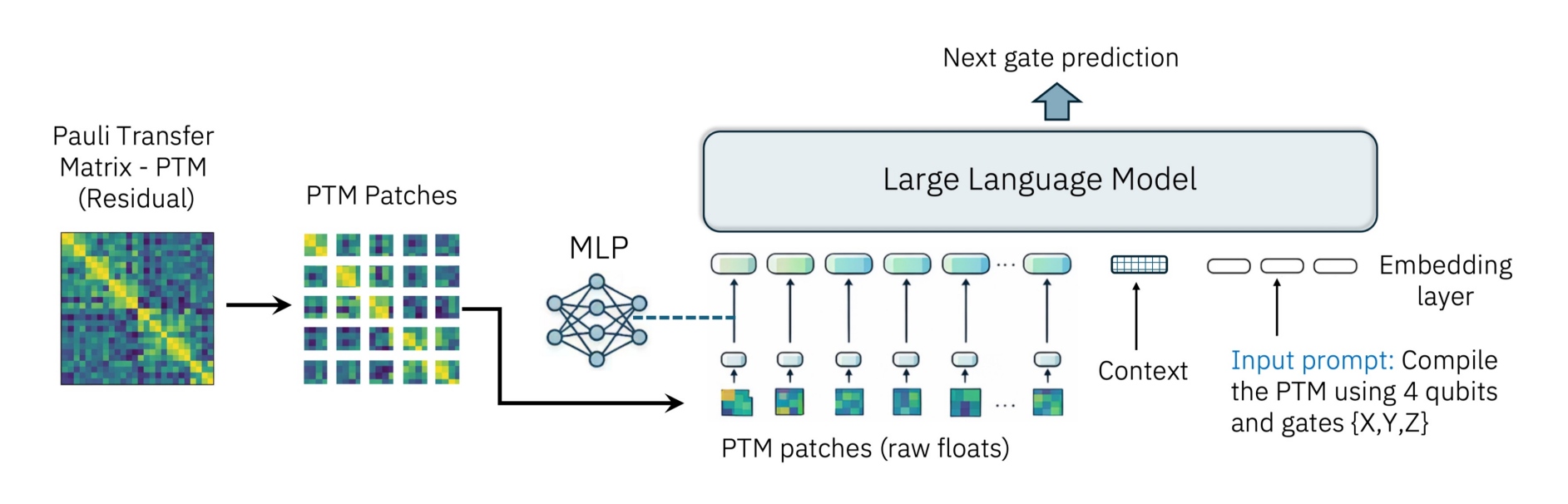
MIT and IBM Project Quantum Unity Operators into Language Model Latent Spaces for Multimodal Circuit Synthesis
July 11, 2026

ETH Zurich Combines Superconducting Qubits with Mechanical Resonators to Build Vibrating Quantum RAM
July 11, 2026

Google and Fraunhofer Launch Global Calls for Early Fault-Tolerant Algorithms and Enterprise Use Cases
July 11, 2026

Who’s News: Strategic Appointments at Photonic, Aliro Quantum, Florida Atlantic University, QuSecure, Quantum Elements, and QAI Ventures
July 11, 2026
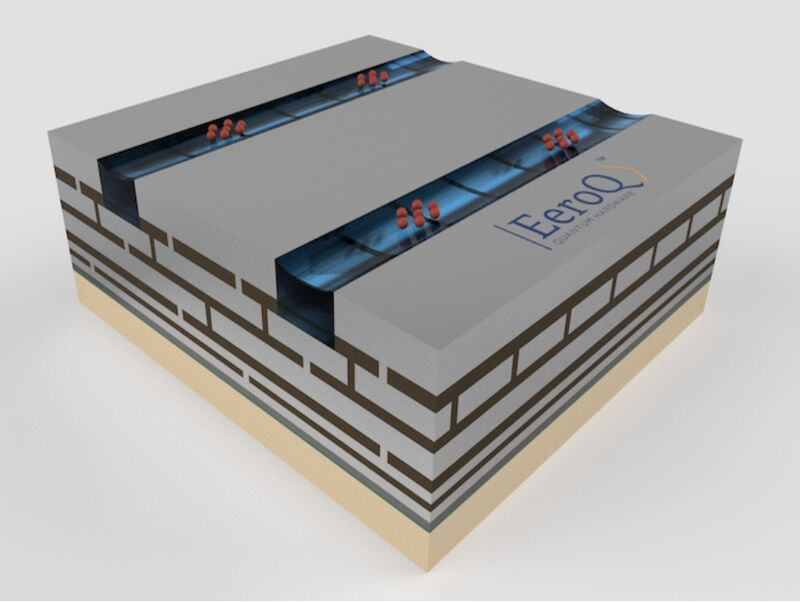
EeroQ Validates CMOS-Controlled Electron Shuttling on Superfluid Helium for All-to-All Qubit Routing
July 11, 2026