Quantum X Labs Launches "Qatacomb" Quantum-Native Security Research Initiative
Tel Aviv-based quantum technology developer Quantum X Labs Inc. (Nasdaq: QXL) has launched Qatacomb, a research initiative operating through its QuantumQ…

Tel Aviv-based quantum technology developer Quantum X Labs Inc. (Nasdaq: QXL) has launched Qatacomb, a research initiative operating through its QuantumQ Security unit. The program is designed to explore quantum-native security architectures that integrate the core physical principles of quantum mechanics directly into information-protection stacks, moving beyond classical algorithmic adaptations to safeguard sensitive enterprise and sovereign data.
Quantum-Native Physics vs. Algorithmic Adaptations
Standard post-quantum cryptography (PQC) focuses on replacing vulnerable public-key mathematical problems (such as RSA and ECC) with lattice-based classical algorithms. The Qatacomb program investigates an alternative security design paradigm:
Physics-Rooted Data Protection: Investigates how quantum-mechanical phenomena can serve as an integral layer of the protection architecture itself, ensuring that access mechanisms and security bounds are governed by physical quantum laws.
Dynamic Security Adaptation: Explores frameworks capable of dynamically scaling protection parameters based on operational sensitivity, threat profiles, and data-lifecycle requirements.
Hardware Validation Pipeline: Moving beyond purely theoretical concepts, the program's next phase encompasses mathematical verification, simulation, and experimental proof-of-concept testing directly on physical quantum processors.
Multi-Domain Expansion across Quantum Computing and Sensing
Under the direction of Chief Technology Scientist Prof. Nir Sharon, the Qatacomb launch complements Quantum X Labs’ multi-disciplinary technology pipeline:
Quantum Computing & Error Correction: Integrates with the company’s AI-driven Quantum Error Correction (QEC) Transformer decoders and GPU-accelerated software platforms.
Quantum Sensing & Navigation: Complements the company’s work in resilient positioning, navigation, and timing (PNT) hardware—including its Ramsey-CPT atomic clock platform and all-optical quantum gyroscopes.
Commercial Growth Projections: The initiative targets the rapidly growing quantum security market, which industry forecasts project will expand from $2.5 billion in 2026 to $9.8 billion by 2030 (a ~40% CAGR).
Review the press release on GlobeNewswire here, and examine our previous coverage of Quantum X Labs Outperforms PyMatching Benchmarks on Google Hardware Dataset Using NVIDIA CUDA-Q here and Quantum X Labs Advances Quantum Computing for Nuclear Particle Transport Simulations here.
August 26, 2026
Related Intelligence

Test of USydney article with HTML.
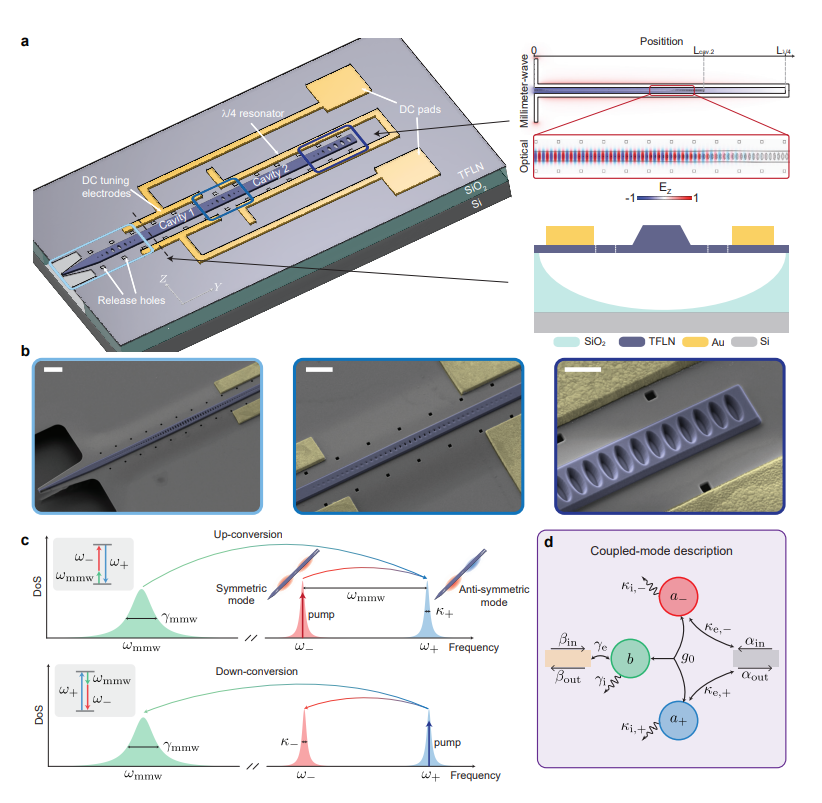
EPFL Demonstrates Millimeter-Wave-to-Optical Transducer with 67% Internal Efficiency
November 10, 2026

Why Quantum Hardware Needs Its Own Threat Model
November 9, 2026
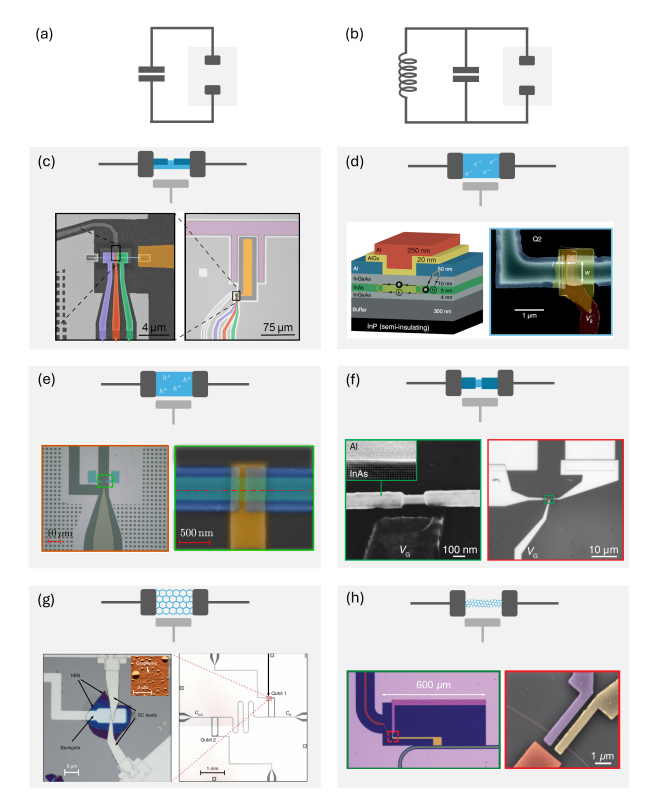
Physics Reports Analysis Evaluates Emergence of Hybrid Semiconductor–Superconducting Qubit Architectures
November 9, 2026
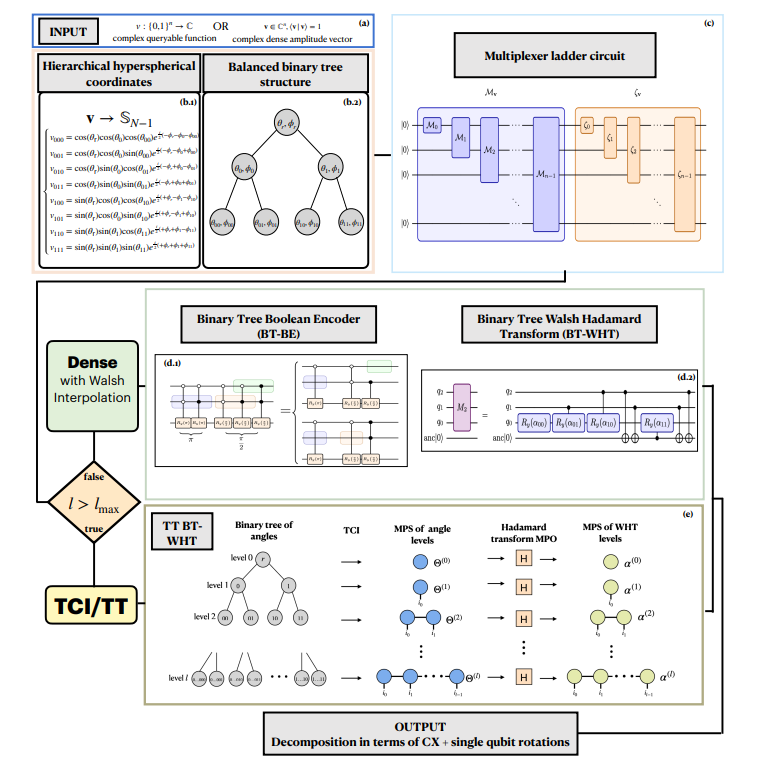
DLR Develops Scalable Unitary Data Encoding Beating Exponential State-Preparation Depth
November 9, 2026
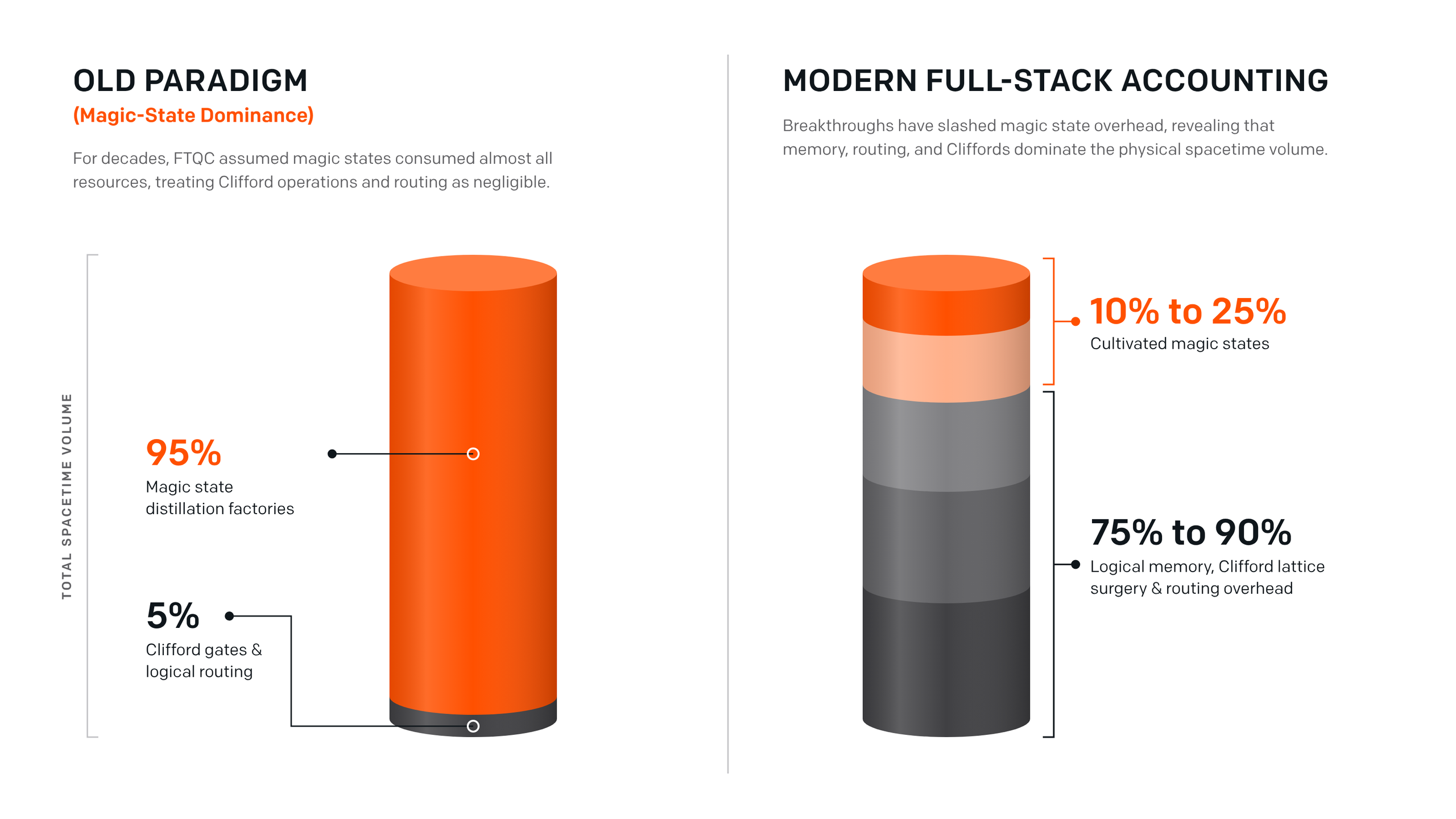
IonQ and Classiq Outline Architectural Trade-Offs in Fault-Tolerant Resource Estimation
November 9, 2026