QuEra 2026 Survey: 62% of Organizations Face Classical Limits as Production Deployment Stalls
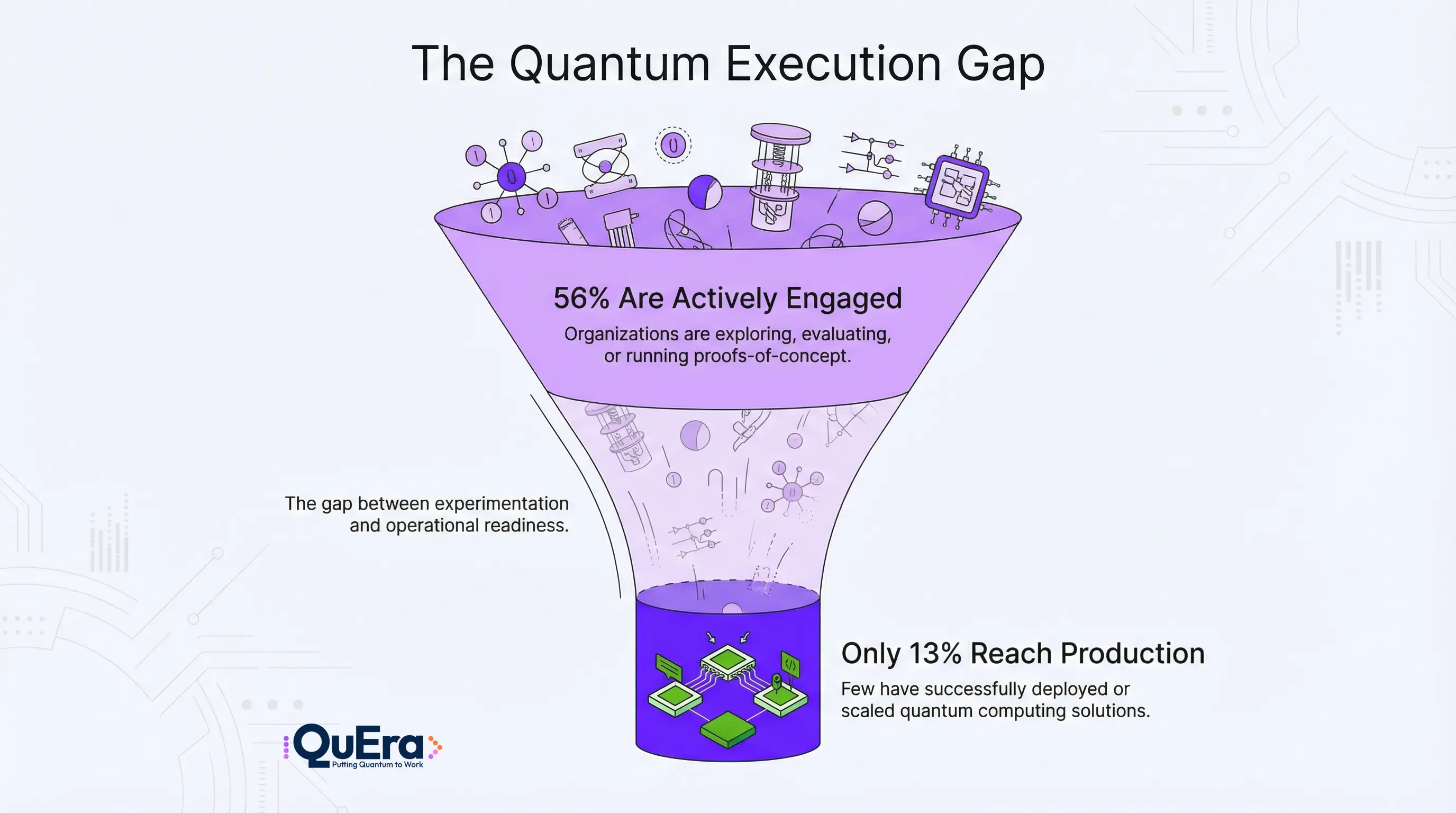
QuEra Computing has released the first part of its 2026 Quantum Readiness Survey, identifying a "quantum execution gap" between enterprise experimentation and operational deployment. While 62% of organizations with relevant workloads report hitting moderate to critical classical computing limits, only 13% have successfully transitioned quantum projects into production environments. The data, collected from 291 global stakeholders, indicates a market transition from general exploration toward benchmarking, where organizations prioritize verifiable performance over theoretical promise.
The survey identifies talent availability as the primary bottleneck for quantum adoption, with 37% of respondents citing workforce constraints as a major barrier—outranking technical maturity and implementation cost. This has led to a "preparedness paradox" where the overall share of organizations feeling "quantum ready" dropped from 65% in 2025 to 55% in 2026. As enterprise understanding of quantum integration deepens, the requirements for readiness have become more rigorous, particularly for larger organizations facing complex legacy infrastructure and procurement cycles.
Regional data reveals significant disparities in strategic confidence and adoption pace. The United Kingdom leads global confidence at 88%, followed by the United States at 82%, while only 51% of respondents in the European Union express similar optimism, focusing instead on industrial sovereignty and rigorous procurement. Despite these disparities, 42% of planned applications globally are focused on simulation—specifically molecular modeling, protein folding, and battery chemistry—where classical approximations are reaching physical limits. Notably, 43% of respondents anticipate quantum superiority within the next five years, signaling that while immediate deployment is restricted by talent, the expectation for long-term utility remains high.
Read the official report from QuEra Computing here and access the first part of the survey here.
February 10, 2026
Related Intelligence

Test of USydney article with HTML.
Chips JU and Pasqal Launch €50M ($57.2M USD) Q-PLANET Pilot Line to Industrialize Neutral Atom Quantum Chips
July 13, 2026
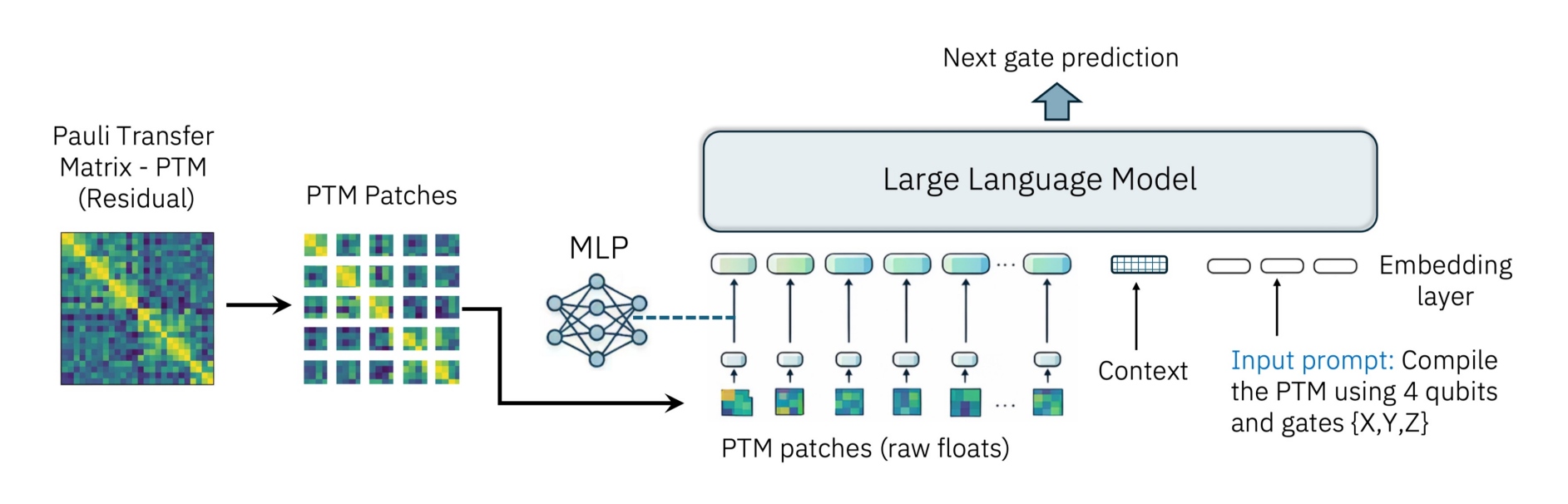
MIT and IBM Project Quantum Unity Operators into Language Model Latent Spaces for Multimodal Circuit Synthesis
July 11, 2026

ETH Zurich Combines Superconducting Qubits with Mechanical Resonators to Build Vibrating Quantum RAM
July 11, 2026

Google and Fraunhofer Launch Global Calls for Early Fault-Tolerant Algorithms and Enterprise Use Cases
July 11, 2026

Who’s News: Strategic Appointments at Photonic, Aliro Quantum, Florida Atlantic University, QuSecure, Quantum Elements, and QAI Ventures
July 11, 2026