RhymeQ Emerges from Stealth with $2.2 Million Pre-Seed Round to Launch Python Abstraction Layer for Quantum Computing
Quantum software startup RhymeQ secured $2.2 million in pre-seed funding to develop Rhyme, a high-level quantum programming platform. …
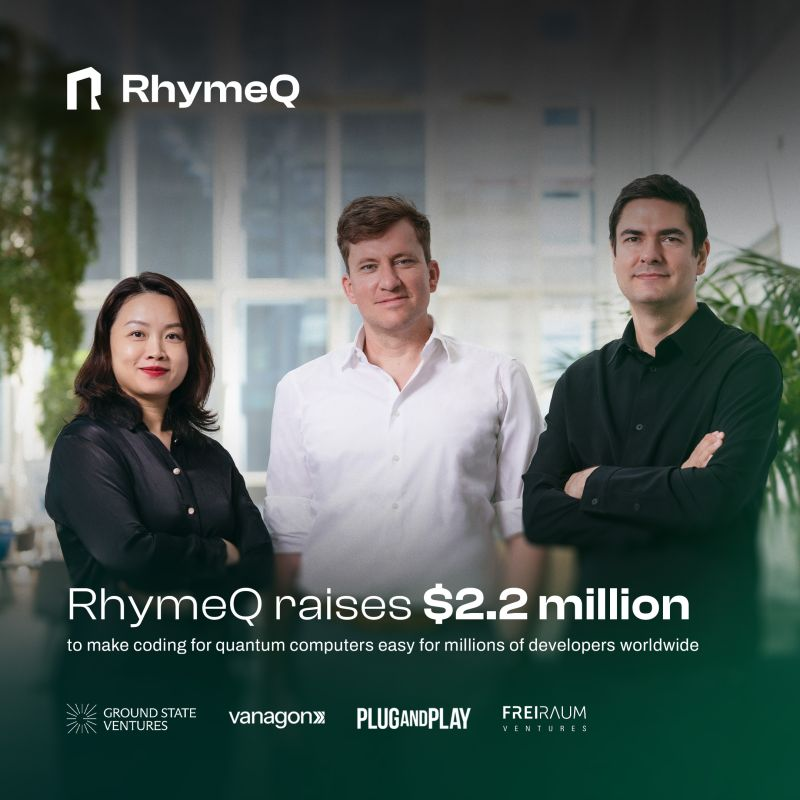
Karlsruhe and Zürich-based quantum software startup RhymeQ has emerged from stealth with $2.2 million USD in pre-seed financing to develop its high-level quantum programming platform, Rhyme.
The funding round was led by deep-tech investor Ground State Ventures, with participation from Vanagon Ventures, Plug and Play, and Freiraum Ventures. RhymeQ develops an abstraction layer designed to allow developers with standard Python proficiency to program and debug quantum software without requiring low-level quantum circuit compilation or gate-level hardware expertise.
[ RhymeQ Platform Integration & Architecture Matrix ] | ||
Architecture Layer | Core Software Functionality | Target Hardware / Execution Endpoint |
• Frontend Interface | • Python-native abstraction layer & automated debugging environment | • Standard software developer workflows without manual gate layout. |
• Compiler Integration | • Direct compilation into NVIDIA CUDA-Q platform | • Cross-platform translation for hardware-agnostic execution. |
• Execution Targets | • Multi-vendor QPU routing & classical GPU emulation | • GPU-accelerated simulators and physical quantum hardware backends. |
Unveiled during NVIDIA GTC Berlin, Rhyme compiles directly to the NVIDIA CUDA-Q framework, enabling code execution across GPU-accelerated quantum simulators and multiple physical quantum processor architectures without hardware lock-in. The capital will be deployed to expand the company's engineering team, accelerate enterprise platform integration, and grow its developer waitlist community.
Review the launch announcement via Business Wire here.
October 22, 2026
Related Intelligence

Test of USydney article with HTML.
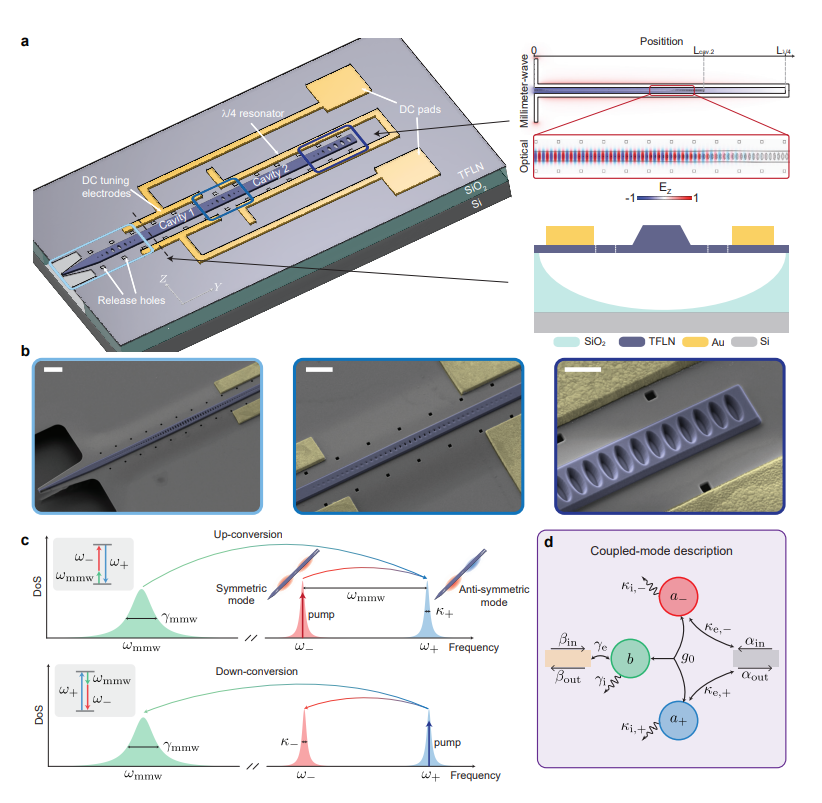
EPFL Demonstrates Millimeter-Wave-to-Optical Transducer with 67% Internal Efficiency
November 10, 2026

Why Quantum Hardware Needs Its Own Threat Model
November 9, 2026
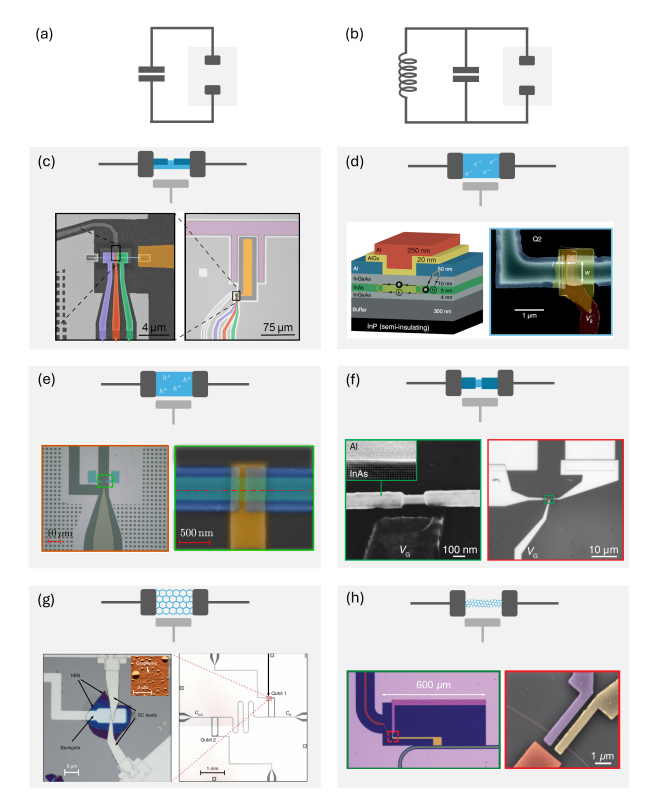
Physics Reports Analysis Evaluates Emergence of Hybrid Semiconductor–Superconducting Qubit Architectures
November 9, 2026
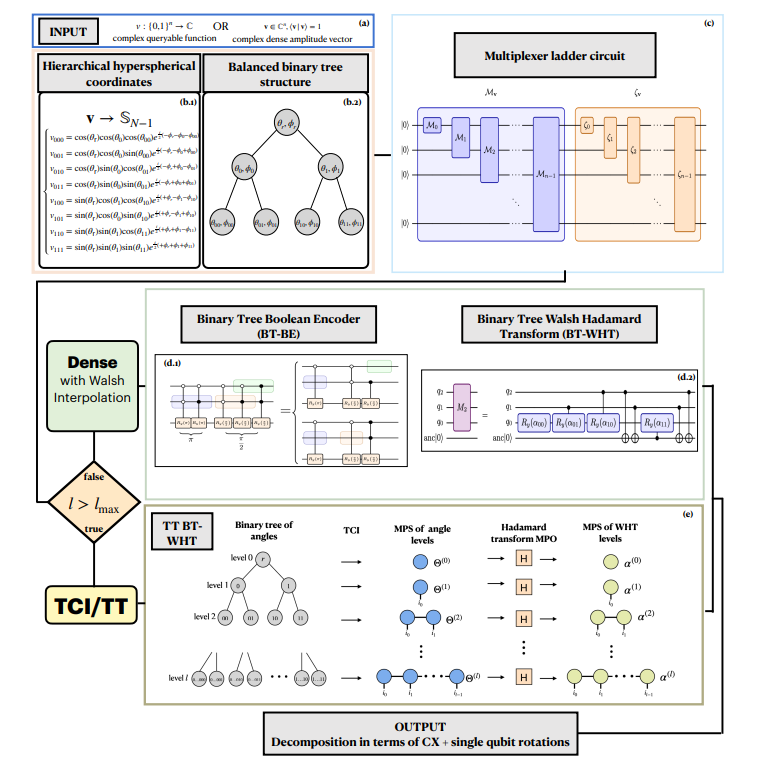
DLR Develops Scalable Unitary Data Encoding Beating Exponential State-Preparation Depth
November 9, 2026
IonQ and Classiq Outline Architectural Trade-Offs in Fault-Tolerant Resource Estimation
November 9, 2026