Silicon Quantum Computing and Schneider Electric Advance Energy Grid Forecasting via Watermelon Quantum-Enhanced AI System
Silicon Quantum Computing (SQC) and Schneider Electric are advancing to Stage 2 of the Australian Government’s Critical Technologies Challenge Program…
Commercial quantum hardware developer Silicon Quantum Computing (SQC) and global energy technology firm Schneider Electric have advanced to Stage 2 of the Australian Government’s Critical Technologies Challenge Program (CTCP). The joint team secured A$3.6 million (US$2.5 million) in funding to deploy hybrid quantum-classical machine learning models across distributed energy resource (DER) networks in partnership with UNSW Sydney.
The collaboration utilizes SQC’s Watermelon™ system, an atomically engineered quantum feature generator designed to accelerate classical machine learning workflows. During Stage 1 evaluations, SQC and Schneider Electric integrated quantum-generated features alongside classical datasets to simulate next-day energy forecasting over a 12-month period. The hybrid models achieved an average 20% improvement in forecasting accuracy relative to standard classical benchmarks, with peak accuracy gains reaching up to 41%.
[ SQMS / Schneider Electric CTCP Stage 2 Technical Parameters & Performance ] | ||
Technical Metric / Resource | Operational Value & Performance Benchmark | Engineering Impact & Grid Scope |
• Forecasting Accuracy Boost | • Average 20% improvement in accuracy • Peak accuracy gains up to 41% | • Outperforms classical time-series baselines for next-day DER forecasting |
• CTCP Stage 2 Grant Funding | • A$3.6 Million (US$2.5 Million) • Awarded by Australian Government CTCP | • Expands live field testing across hundreds of Australian residential grid sites |
• Quantum Processing Unit | • SQC Watermelon™ quantum feature generator • Atomic-precision phosphorus-in-silicon QPU | • Generates quantum-enhanced features for direct ingestion into Schneider Electric AI workflows |
• Commercial Integration Scope | • Integration with Schneider Electric DER software • Turnkey cloud and on-premises data center QPU options | • Optimizes rooftop solar, home battery storage, and EV load-balancing switching |
Building on these results, Stage 2 will scale the deployment across hundreds of residential locations across Australia, directly embedding quantum feature generation into Schneider Electric's production AI pipelines. SQC manufactures its quantum processors using atomic-scale precision in silicon, enabling fast weekly iteration cycles for hardware platforms spanning quantum machine learning (Watermelon™), analog materials simulation (Quantum Twins™), and gate-based quantum processors (Chilli Series).
Review the official press release via PR Newswire here and read our previous coverage on Australia's NRFC $40M AUD investment in Silicon Quantum Computing here.
October 3, 2026
Related Intelligence

Test of USydney article with HTML.
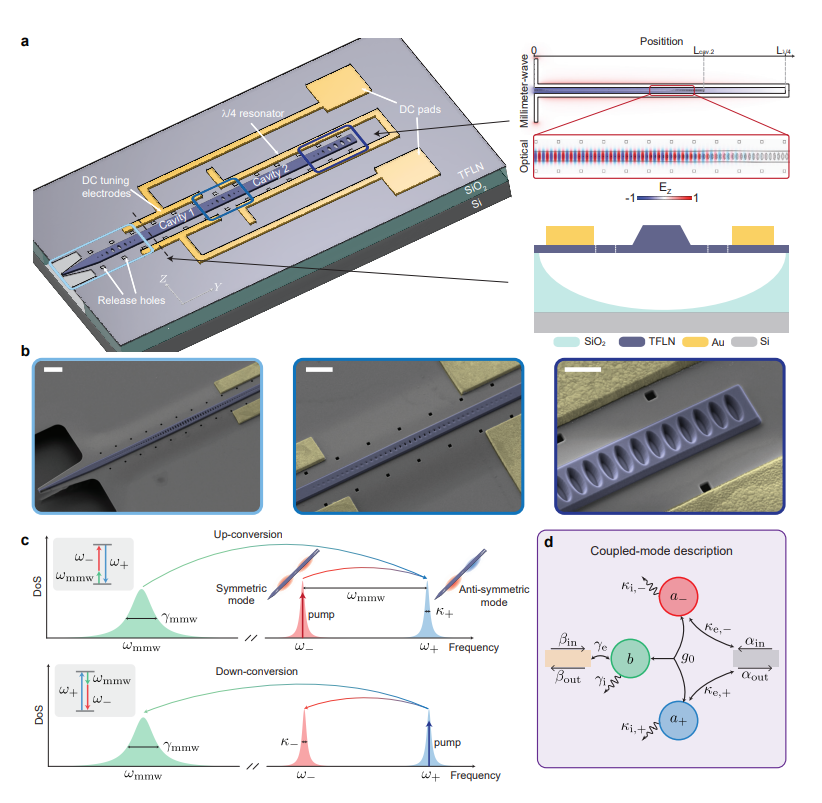
EPFL Demonstrates Millimeter-Wave-to-Optical Transducer with 67% Internal Efficiency
November 10, 2026
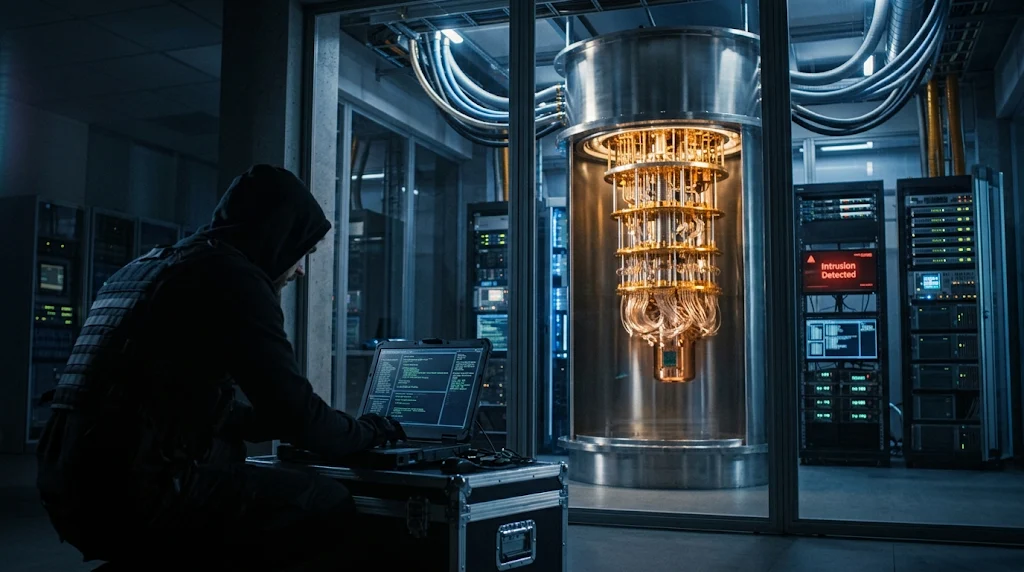
Why Quantum Hardware Needs Its Own Threat Model
November 9, 2026
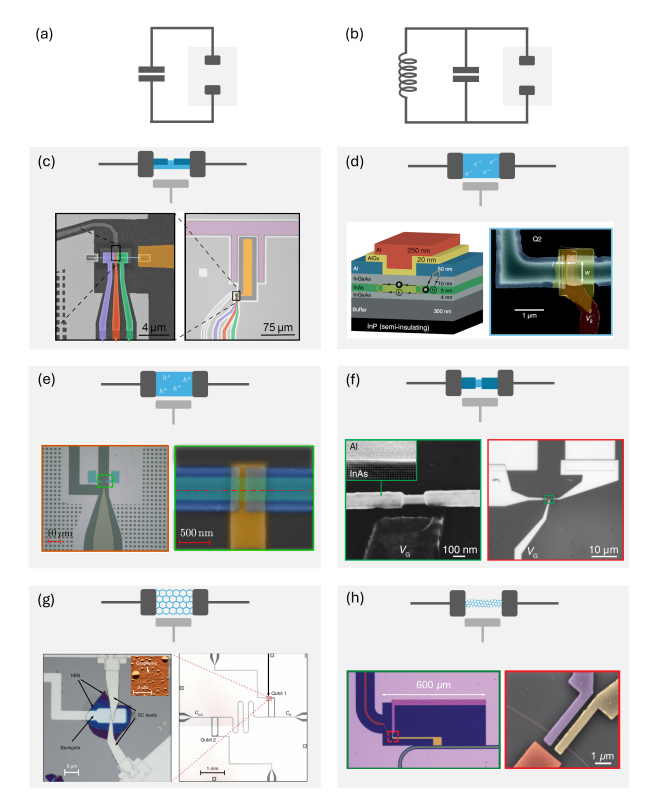
Physics Reports Analysis Evaluates Emergence of Hybrid Semiconductor–Superconducting Qubit Architectures
November 9, 2026
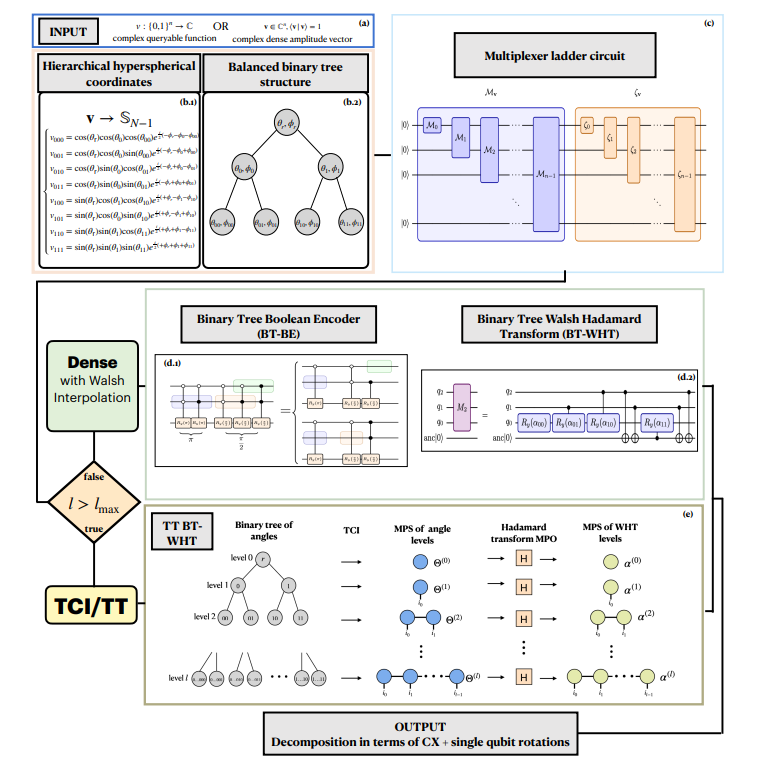
DLR Develops Scalable Unitary Data Encoding Beating Exponential State-Preparation Depth
November 9, 2026
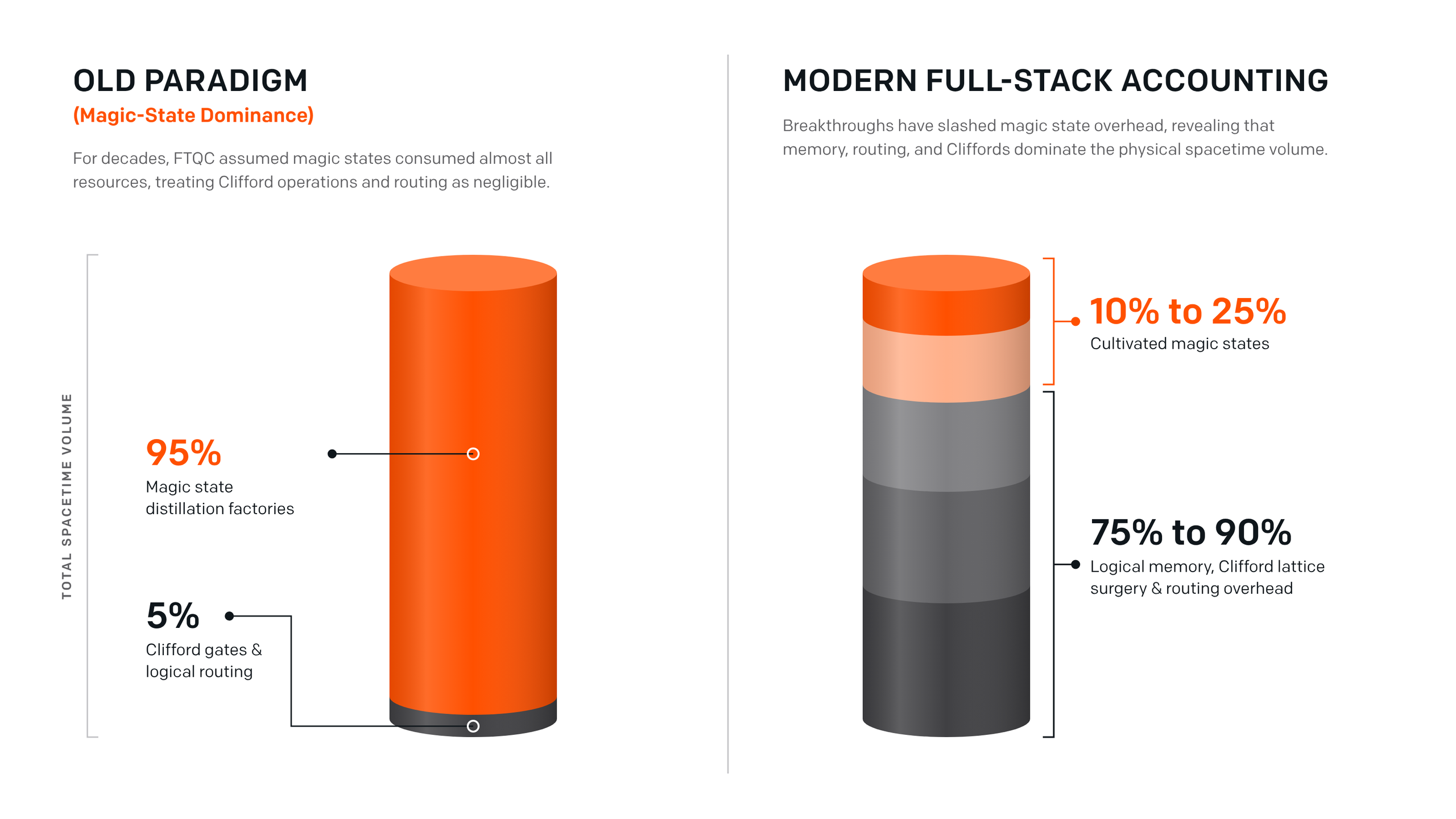
IonQ and Classiq Outline Architectural Trade-Offs in Fault-Tolerant Resource Estimation
November 9, 2026