U.S. Naval Research Laboratory Outlines Strategic Quantum Research Priorities
The U.S. Naval Research Laboratory (NRL) has highlighted the operational roadmap of its Quantum Science Institute (QSI), aligning the laboratory's…

The U.S. Naval Research Laboratory (NRL) has highlighted the operational roadmap of its Quantum Science Institute (QSI), aligning the laboratory's research enterprise with national directives under Executive Order 14413 ("Ushering in the Next Frontier of Quantum Innovation"). Formally established in June 2025 as the primary quantum research center for the U.S. Navy, the institute serves to centralize multidisciplinary QIST development across defense laboratories, academic institutions, and commercial partners.
The laboratory structures its quantum research across four core operational thrusts:
Sensing, Positioning, Navigation, and Timing (PNT): Translating cold-atom systems—such as ultra-cold rubidium atom interferometers—into GPS-denied navigation, shipboard accelerometers, gyroscopes, gravimeters, and atomic clocks to mitigate drift during extended maritime operations.
Quantum Computing & Algorithms: Developing application-specific quantum software and domain algorithms tailored for Navy operational logistics, advanced materials, fluid dynamics, and weather forecasting, while leveraging commercial hardware platforms.
Quantum Networking Infrastructure: Partnering within the Washington Metropolitan Quantum Network Research Consortium (DC-QNet) to advance fiber-based quantum communications, secure signal transmission, and distributed quantum sensing nodes.
Foundational Materials & Photonics: Engineering quantum materials, integrated photonic devices, and sub-Kelvin device packaging required to transition basic physical discoveries into ruggedized defense hardware.
By bridging basic scientific discovery with warfighter operational requirements, NRL's QSI supports the Department of Defense's priority area in Quantum and Battlefield Information Dominance (Q-BID). The initiative focuses on building an onshore quantum workforce through postdoctoral fellowships and inter-agency partnerships to preserve U.S. technological capabilities across contested maritime and defense environments.
Review the official institutional update via NRL Press here.
July 30, 2026
Related Intelligence

Test of USydney article with HTML.
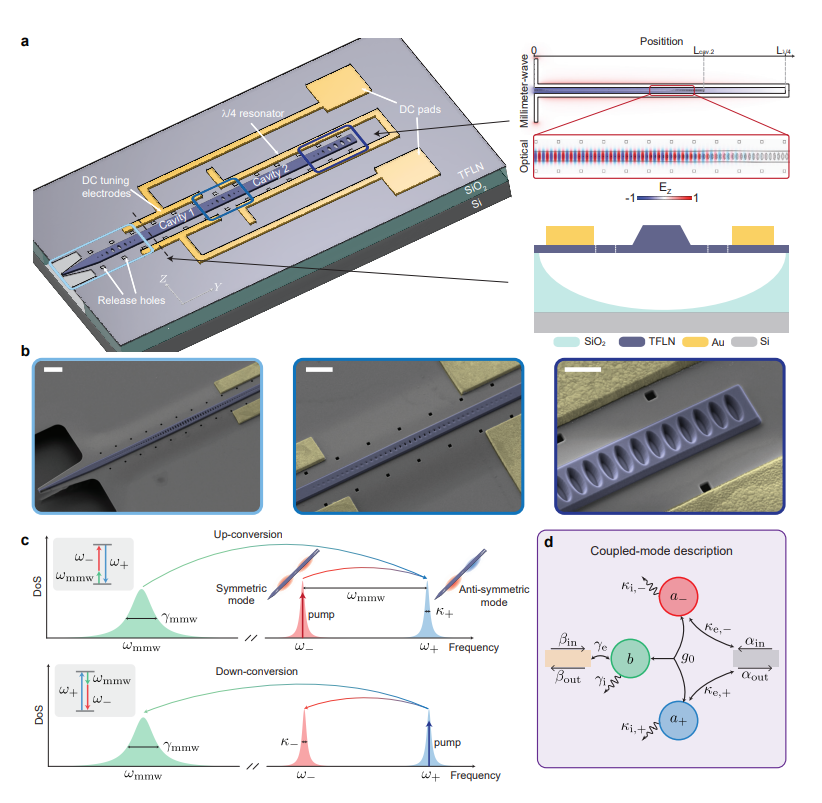
EPFL Demonstrates Millimeter-Wave-to-Optical Transducer with 67% Internal Efficiency
November 10, 2026
Why Quantum Hardware Needs Its Own Threat Model
November 9, 2026
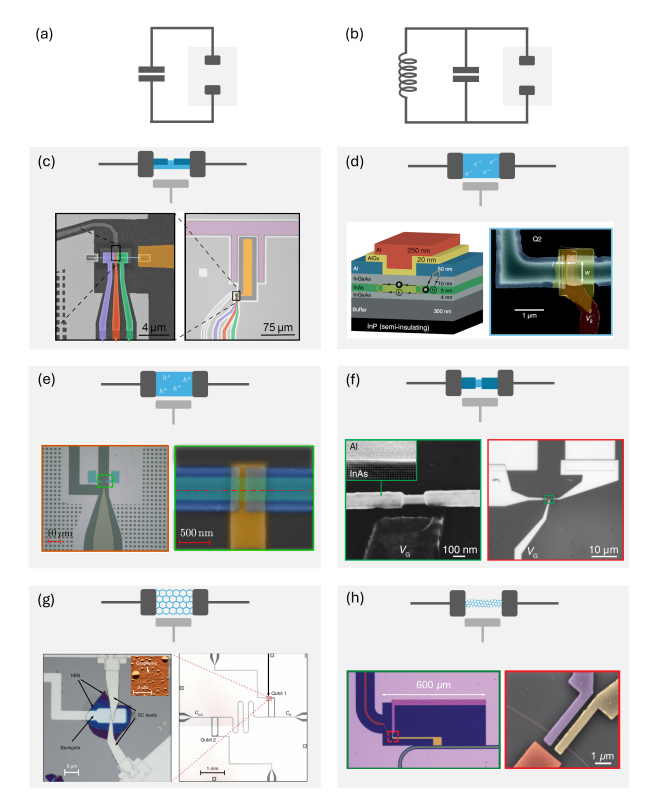
Physics Reports Analysis Evaluates Emergence of Hybrid Semiconductor–Superconducting Qubit Architectures
November 9, 2026
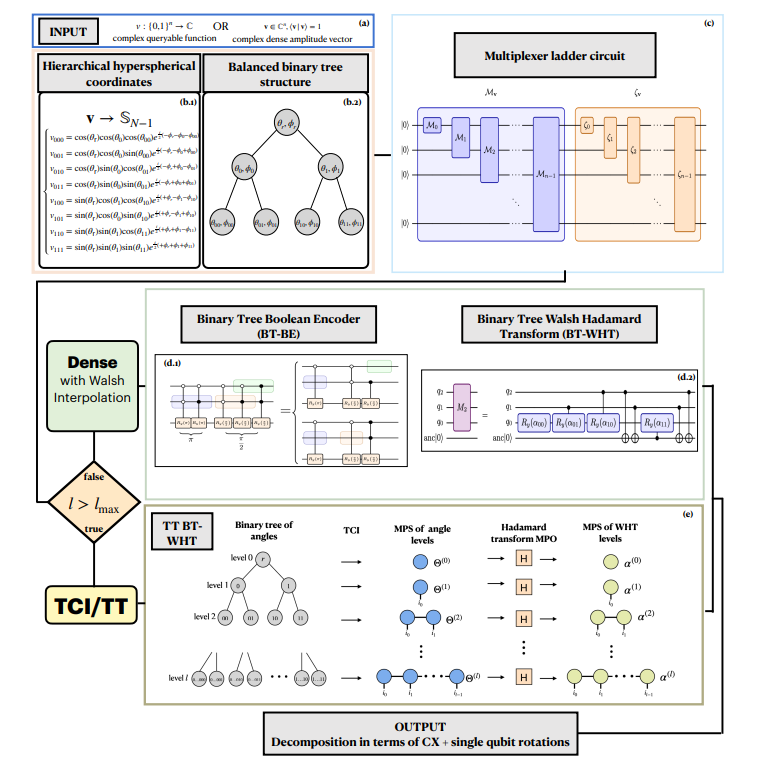
DLR Develops Scalable Unitary Data Encoding Beating Exponential State-Preparation Depth
November 9, 2026
IonQ and Classiq Outline Architectural Trade-Offs in Fault-Tolerant Resource Estimation
November 9, 2026