Vietnam and Rosatom Finalize Quantum Cooperation Roadmap as Hanoi Shapes 2045 Strategy
Vietnam and Russia's Rosatom have established a quantum cooperation roadmap, accelerating Vietnam's quantum information science capabilities. …
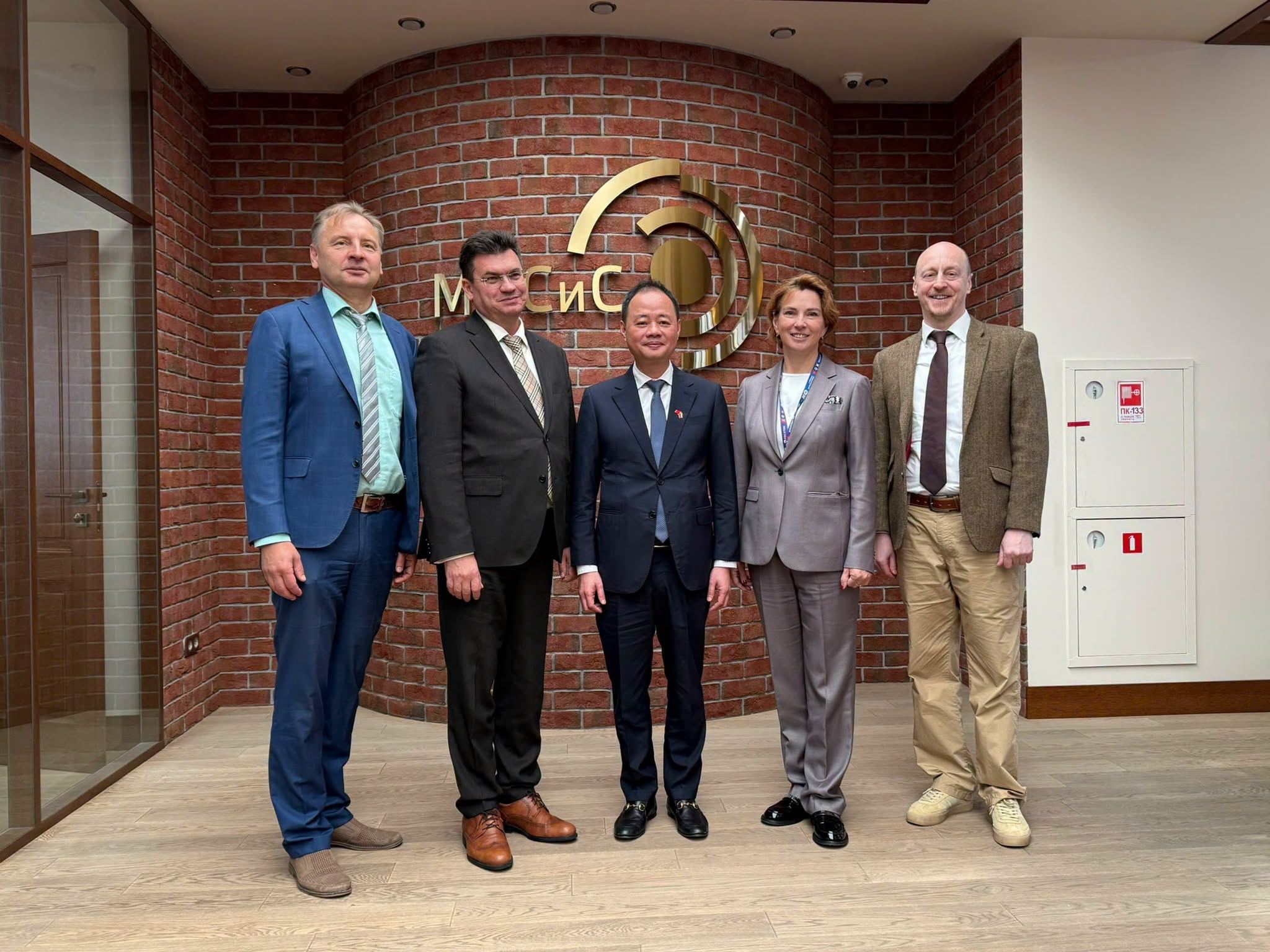
The Vietnam Academy of Science and Technology (VAST) has formalized a bilateral research and development cooperation roadmap with Russia’s State Atomic Energy Corporation, Rosatom, marking a definitive step toward building Vietnam’s sovereign quantum information science capabilities. The agreement coincides with domestic advisory pushes urging Hanoi to establish an official National Quantum Technology Strategy extending through 2045.
According to an official communique from VAST, the agreement was concluded during a high-level working session at the National University of Science and Technology MISIS (NUST MISIS) in Moscow as part of the state visit to the Russian Federation by General Secretary and State President Tô Lâm. Discussions were led by VAST President Prof. Dr. Tran Hong Thai alongside Rosatom Quantum Technologies Director Ekaterina Solntseva and senior physicists from the P.N. Lebedev Physical Institute of the Russian Academy of Sciences.
[ Vietnam National Quantum Architecture: Bilateral Roadmap & Domestic Strategy ] | |||
Strategic Track | Lead Institutions | Core Deliverables & Focus Areas | Target Timeline |
• Bilateral Technology Roadmap | • VAST ↔ Rosatom / Lebedev Physical Institute / NUST MISIS | • Strategy sharing, personnel training, and remote cloud access to Russian QPUs; planned joint quantum research center in Vietnam. | • Near-to-Medium Term (Active) |
• Cybersecurity & Defense Migration | • Ministries of National Defense & Public Security | • Mitigating "Harvest Now, Decrypt Later" (HNDL) exposure via Post-Quantum Cryptography (PQC) and localized QKD pilot links. | • Priority Execution (2025–2030) |
• Domestic Phase I: Software & Algorithms | • VNU-HCM, Hanoi, Da Nang, VNQuantum Network | • Specialized undergraduate/graduate tracks, QML algorithm development, and remote simulation to bypass early hardware capex. | • 2025–2030 |
• Domestic Phase II: Simulation & Components | • National Research Hubs & Industrial Partners | • Optical component design, small-scale quantum modules, and national quantum simulation facilities. | • 2030–2035 |
• Domestic Phase III: Hardware Supply Chain | • Domestic Fab & Electronics Industry | • Specialized integrated circuit integration and potential quantum hardware supply-chain participation. | • 2035–2045 |
Bypassing Hardware Capex via Remote Infrastructure
As the coordinator of Russia's national quantum program, Rosatom provides VAST with a blueprint for scaling national initiatives under strict capital constraints. By securing remote access to Russian quantum processors, Vietnamese researchers, graduate students, and software engineers can develop quantum algorithms, simulation tools, and material science models without the multi-million-dollar capital expenditure required to procure cryogenic systems or physical QPU hardware.
The bilateral framework also outlines a program to invite Russian quantum specialists to Hanoi and Ho Chi Minh City to supervise research clusters, establishing the precursor to a permanent joint quantum technology laboratory in Vietnam.
Hanoi Weighs Dual-Track Alignment: BRICS Infrastructure vs. European Standards
The VAST–Rosatom pact highlights Vietnam’s pragmatic, multi-aligned technology posture. While tapping Russia and the broader BRICS quantum ecosystem for initial hardware access, Vietnamese advisory groups—led by the Vietnam Quantum Technology Network (VNQuantum)—are simultaneously pushing for integration with European institutions.
In policy recommendations submitted to the central government, advisory experts have urged Hanoi to adopt technical standards modeled on the European Quantum Communication Infrastructure (EuroQCI) and forge bilateral research ties with France, Germany, and Finland. A central driver is national security: both the Ministry of National Defense’s Cyber Warfare Command and the Ministry of Public Security have warned of "Harvest Now, Decrypt Later" (HNDL) threats targeting critical communications and long-term state data, making the deployment of crypto-agile PQC architectures an immediate priority.
Review the official bilateral communique on the Vietnam Academy of Science and Technology Portal here, examine regional coverage on VietnamNet Global here, and read the broader national policy recommendations via OpenGov Asia here.
October 24, 2026
Related Intelligence

Test of USydney article with HTML.
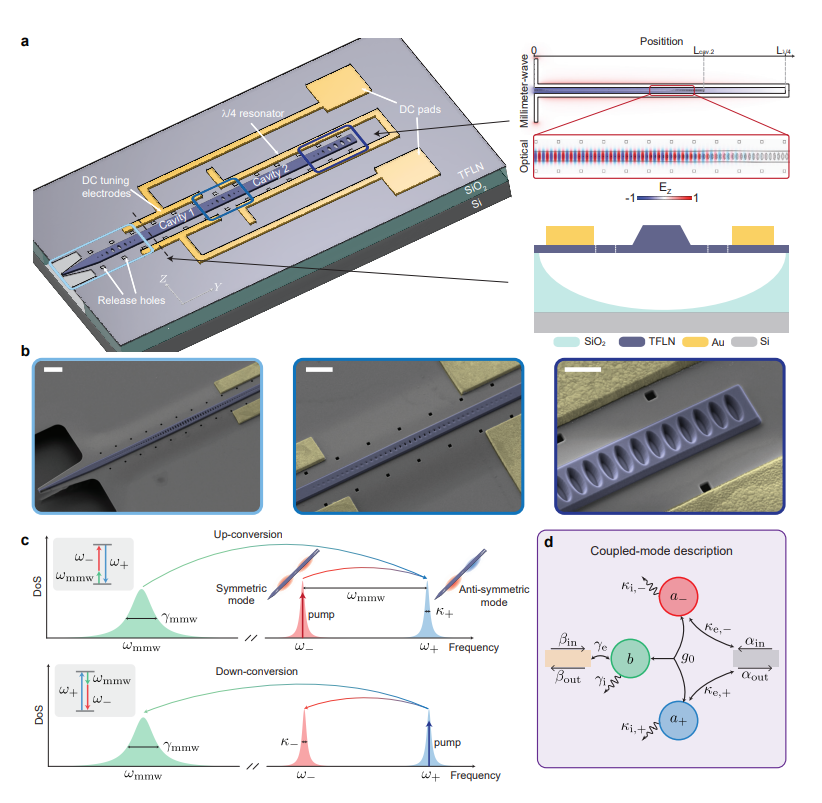
EPFL Demonstrates Millimeter-Wave-to-Optical Transducer with 67% Internal Efficiency
November 10, 2026
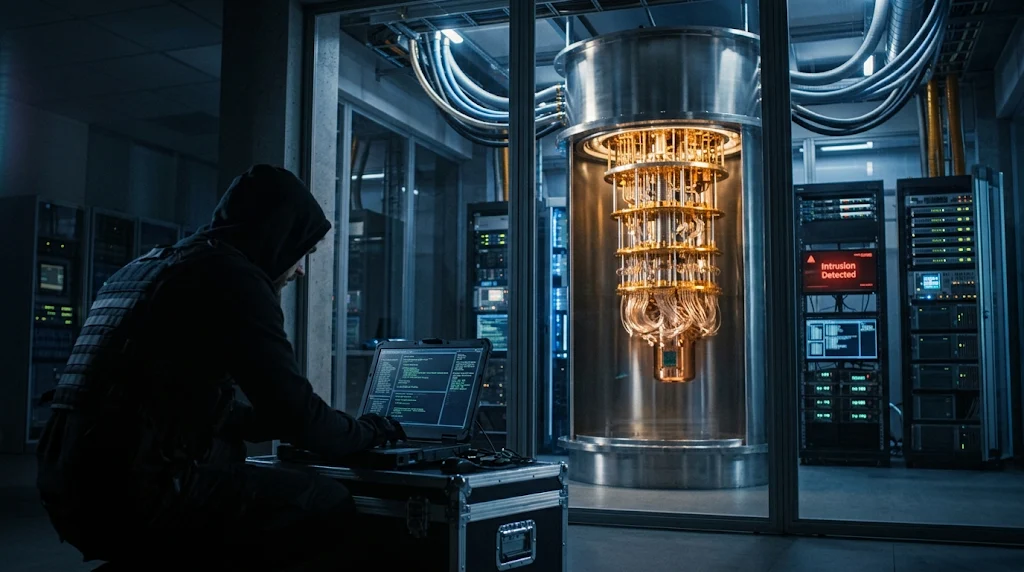
Why Quantum Hardware Needs Its Own Threat Model
November 9, 2026
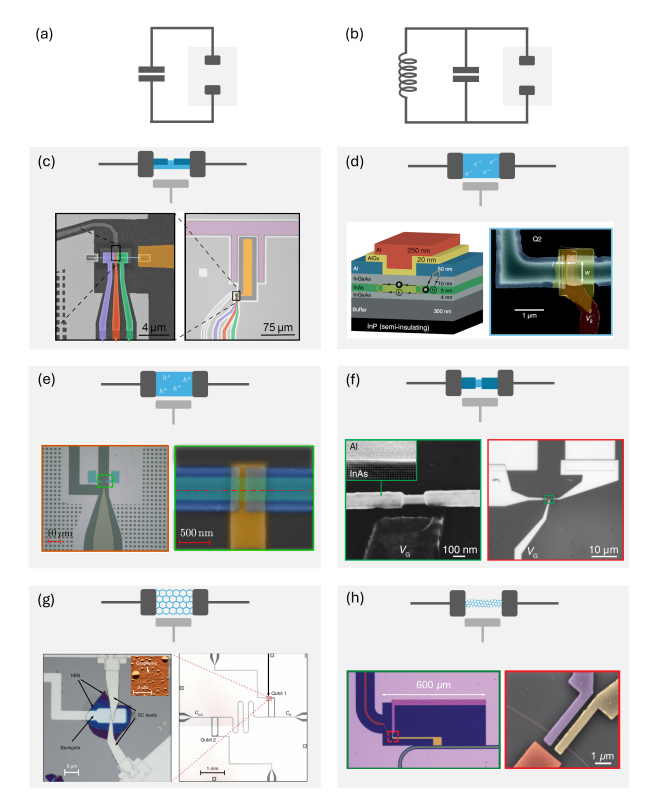
Physics Reports Analysis Evaluates Emergence of Hybrid Semiconductor–Superconducting Qubit Architectures
November 9, 2026
DLR Develops Scalable Unitary Data Encoding Beating Exponential State-Preparation Depth
November 9, 2026
IonQ and Classiq Outline Architectural Trade-Offs in Fault-Tolerant Resource Estimation
November 9, 2026