Xanadu and TELUS Collaborate on Sovereign Quantum Data Centre Infrastructure

Xanadu Quantum Technologies Inc. and TELUS have signed a Memorandum of Understanding (MOU) to develop sovereign hybrid quantum-classical computing infrastructure in Canada. The collaboration aims to integrate Xanadu’s photonic quantum processors with TELUS’ existing high-performance computing (HPC) environments and data centre operations. This initiative is designed to provide Canadian enterprises and government organizations with secure, domestically controlled access to quantum capabilities, ensuring that critical data and intellectual property remain within Canadian jurisdiction.
The technical focus of the partnership involves combining quantum hardware with classical HPC systems to create a unified processing environment. By leveraging TELUS’ PureFibre network and advanced AI infrastructure, the parties intend to explore the deployment of quantum data centres that can support workloads in drug discovery, materials science, and cybersecurity. The collaboration also encompasses the full quantum value chain, including the development of algorithms, software, and services optimized for hybrid architectures, utilizing Xanadu’s open-source PennyLane library.
This infrastructure project aligns with Project OPTIMISM, a broader initiative supported by the Governments of Canada and Ontario with up to CAD $390 million to establish domestic semiconductor and photonic manufacturing. Furthermore, the collaboration follows Xanadu’s recent business combination agreement with Crane Harbor Acquisition Corp., a transaction expected to capitalize the combined entity with approximately US$500 million in gross proceeds. The partnership seeks to accelerate the commercialization of quantum-ready infrastructure while strengthening the national quantum ecosystem through research initiatives and pilot programs.
For full technical details on the hybrid infrastructure roadmap and the Crane Harbor merger, consult the official Xanadu announcement here.
March 16, 2026
Related Intelligence

Test of USydney article with HTML.
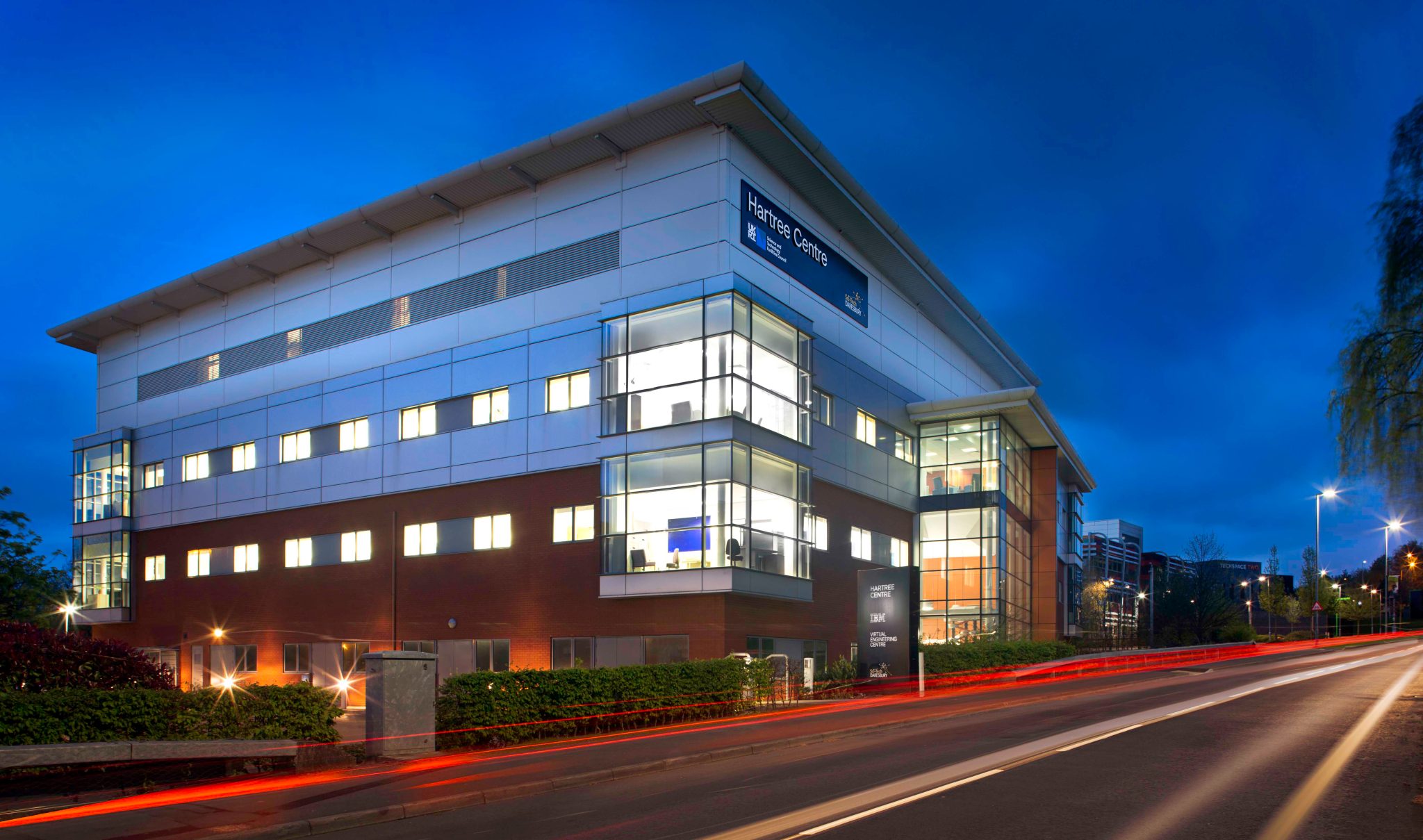
Qoro Quantum Signs MoU with STFC Hartree Centre to Build UK Quantum-HPC Demonstrator
September 12, 2026
Who’s News: Strategic Appointments at Q.ANT, Qtonic Quantum, QuantrolOx, and Leiden Cryogenics
September 12, 2026
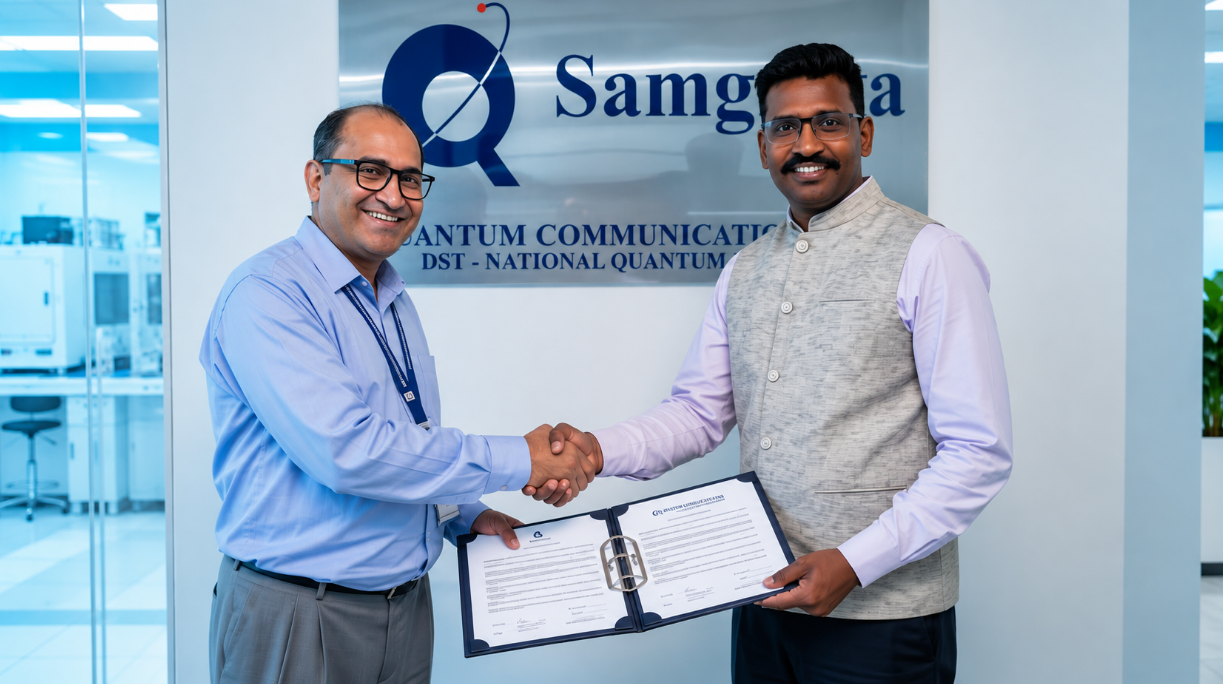
QClairvoyance Quantum Labs Signs MoU with IITM–C-DOT Samgnya Foundation to Advance Indian Quantum Ecosystem
September 12, 2026
Qubic Secures CA$1.5 Million ($1.08 Million USD) Canadian Federal Contract for Cryogenic Amplifiers
September 12, 2026
SEALSQ Reports H1 2026 Financial Results: Revenue Surges 131% to $11.2M, $486M Cash Balance, and Post-Quantum Hardware Progress
September 11, 2026