Xanadu Announces Algorithmic QROM Optimization Cutting Toffoli Gate Overhead by Half
Xanadu has announced an algorithmic optimization for Quantum Read-Only Memory (QROM) that halves the overhead of Toffoli gates, a key bottleneck in…

Xanadu Quantum Technologies Limited has finalized a public stock exchange listing on the Nasdaq and TSX (Ticker: XNDU), accompanied by the announcement of a core algorithmic optimization in Quantum Read-Only Memory (QROM) modules. Detailed in a technical pre-print by researchers Danial Motlagh and Matthew Pocrnic, the architectural blueprint reduces the non-Clifford operational overhead required to load classical datasets into quantum registers by approximately twofold. The advancement addresses a seven-year performance plateau in lookup-table subroutines, directly mitigating physical resource constraints for near-term, utility-scale fault-tolerant quantum computing systems.
Technical Architecture & Specifications / Operational Implementation
The technical blueprint replaces traditional quantum data-loading architectures with a modified selection and copying mechanism optimized for qubit-constrained regimes. Standard QROM procedures load classical data bitstrings in coherent superposition, requiring a high baseline execution cost of Toffoli gates—the computationally expensive logic operations that serve as primary bottlenecks in fault-tolerant computing. Xanadu's protocol substitutes multiple iterative qubit swapping phases with an inline copying sequence, minimizing the dependency on available "dirty" ancilla qubits. For strict hardware allocations, the compiler executes a secondary data-unloading optimization that bypasses multiple redundant intermediate steps during back-to-back QROM modules. This collapses the primary gate-count requirements, effectively matching the performance metrics of ideal, unconstrained systems while using available noisy hardware arrays.
Strategic Positioning & Ecosystem Integration
The algorithmic compression directly reduces execution costs for data-intensive fault-tolerant workloads, including chemical structural simulations, finance-grid asset models, and material science optimizations. By halving total Toffoli gate requirements within individual software subroutines, the framework enables complex quantum programs to execute on smaller physical qubit footprints without suffering fidelity degradation or increased circuit runtime. Founded in 2016 and backed by more than $500 million USD in capital, Xanadu is integrating these optimized QROM compilers natively into PennyLane, its open-source software development platform. The full-stack deployment supports the commercial scale-up of Xanadu's room-temperature, silicon-photonic hardware pipeline, enabling multi-tenant enterprise data centers to allocate hardware loops to external users with decreased computational latency.
You can review the official corporate press release detailing the algorithmic breakthrough here. For complete mathematical derivations, gate-count equations, and architectural benchmarks, access the full academic manuscript on arXiv here. You can also read the developer-focused breakdown and integration tutorial on the official PennyLane blog here.
May 21, 2026
Related Intelligence

Test of USydney article with HTML.
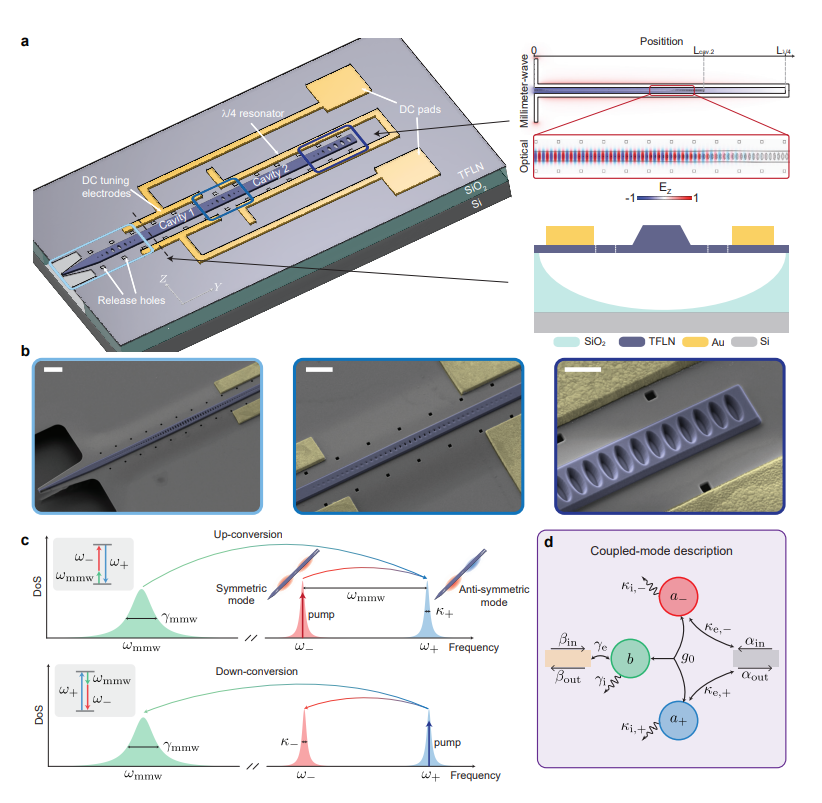
EPFL Demonstrates Millimeter-Wave-to-Optical Transducer with 67% Internal Efficiency
November 10, 2026

Why Quantum Hardware Needs Its Own Threat Model
November 9, 2026
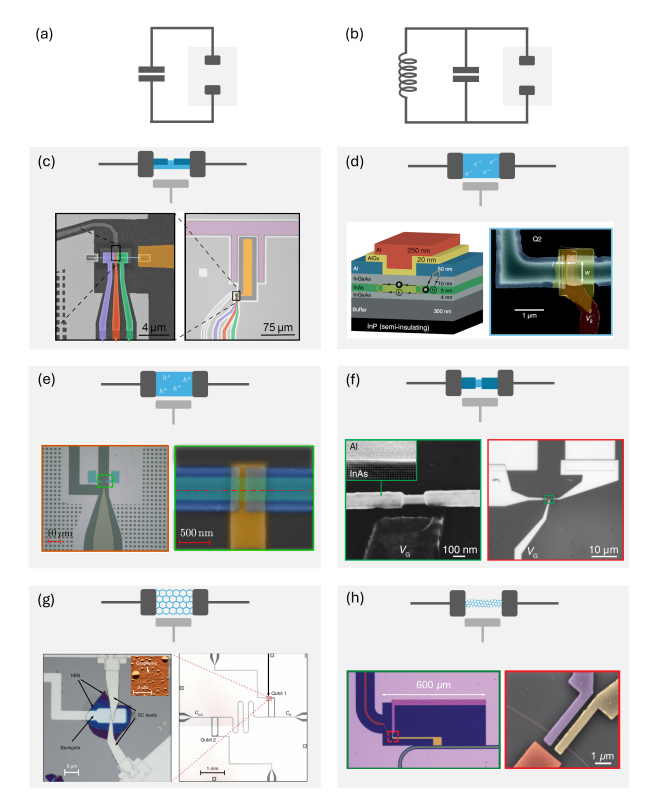
Physics Reports Analysis Evaluates Emergence of Hybrid Semiconductor–Superconducting Qubit Architectures
November 9, 2026
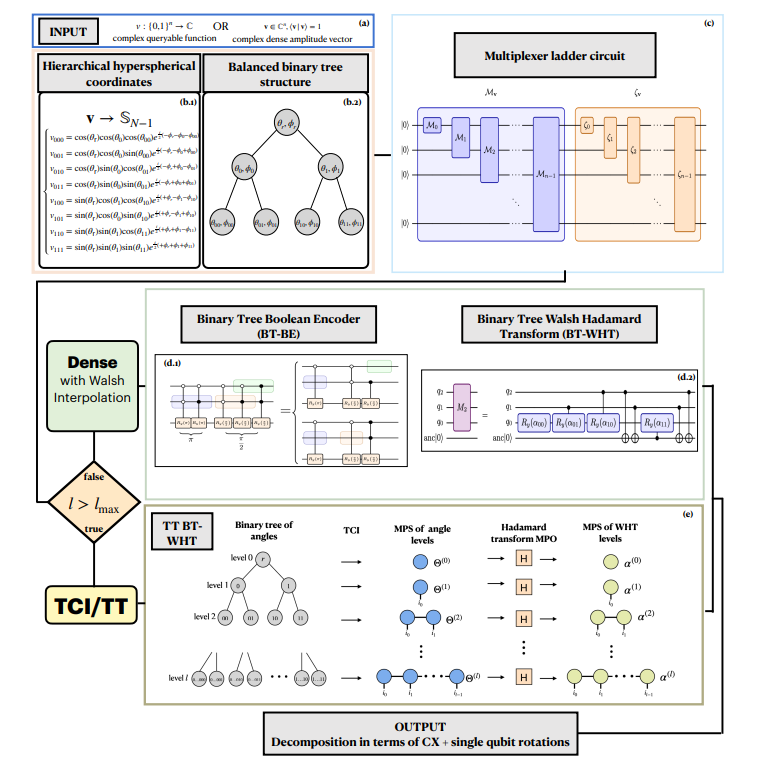
DLR Develops Scalable Unitary Data Encoding Beating Exponential State-Preparation Depth
November 9, 2026
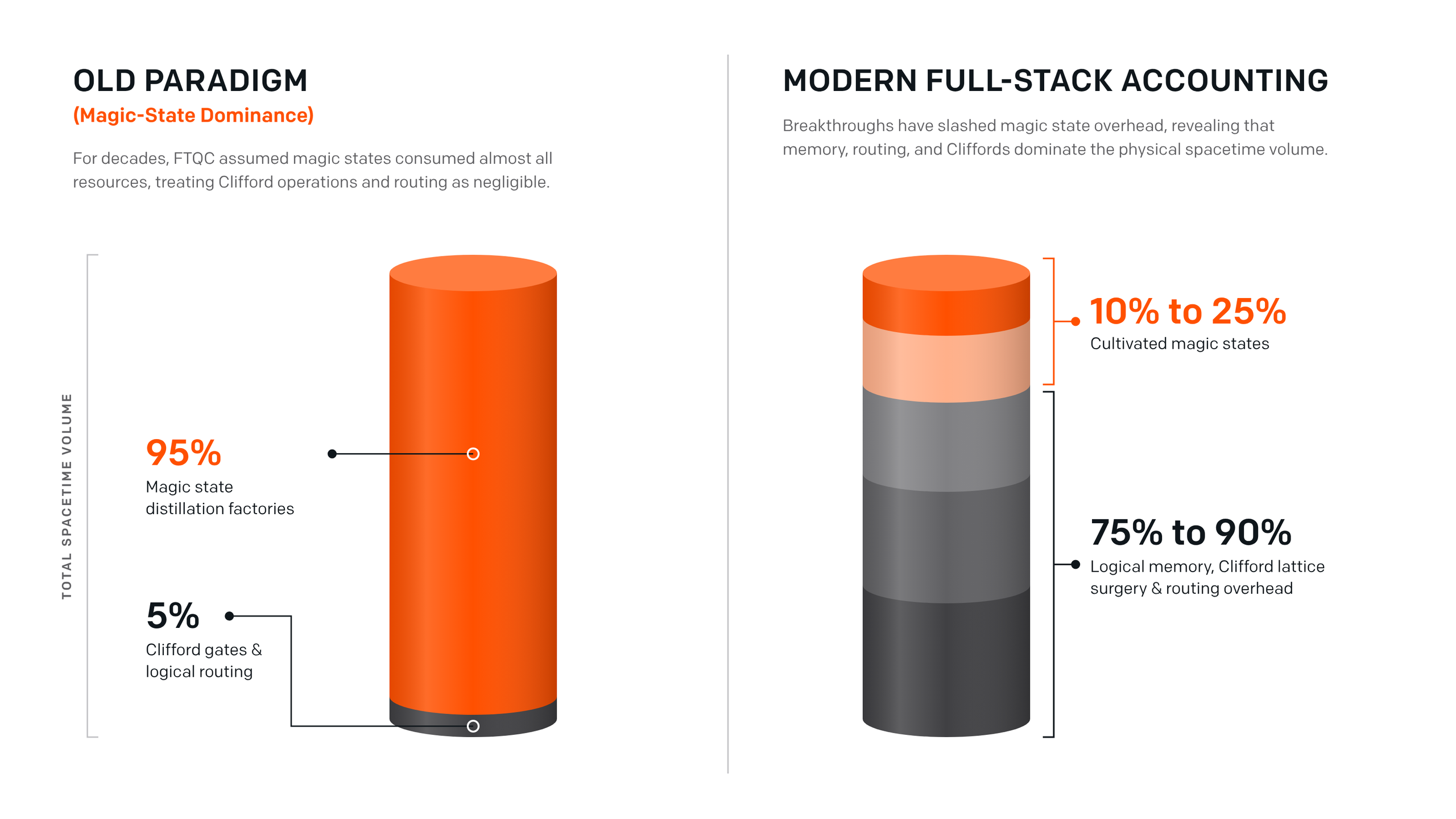
IonQ and Classiq Outline Architectural Trade-Offs in Fault-Tolerant Resource Estimation
November 9, 2026