Xanadu Secures Up to $10 Million in Additional DARPA Funding Under QBI Program
Xanadu, a photonic quantum computing company, has secured up to $10 million in additional DARPA funding through the Quantum Benchmarking Initiative…

Toronto-based photonic quantum computing company Xanadu Quantum Technologies (NASDAQ/TSX: XNDU) has received provisional approval for up to $10 million in additional non-dilutive contract funding under DARPA’s Quantum Benchmarking Initiative (QBI).
The one-year contract extension builds on Xanadu’s execution in Stage B of the QBI program. Under the agreement, Xanadu will deliver technical progress reports for DARPA's ongoing architecture evaluations while allocating the majority of the funds to accelerate key hardware and software milestones across its fault-tolerant photonic R&D roadmap.
[ Xanadu DARPA QBI Contract Extension Profile ] | ||
Financial & Program Parameter | DARPA QBI Contract Details | Photonic Architecture Advantages |
• Funding Amount & Structure | • Up to $10.0 Million USD (Provisional Approval) | • Non-dilutive 1-year contract extension building on Stage B QBI evaluation. |
• Evaluation Focus | • Verification and Validation (V&V) | • Formally assesses hardware feasibility, utility-scale performance, and realistic build budgets. |
• Hardware Platform | • Photonic QPU Architecture (Aurora) | • Room-temperature compute operations, fast optical clock speeds, and modular networkability. |
• Target Applications | • Industrial & Government Use Cases | • Accelerates fault-tolerant development for drug discovery, advanced chemistry, aerospace, defense, and AI. |
DARPA's QBI program evaluates leading quantum computing approaches to verify whether candidate architectures can be constructed as designed and operated as intended to reach practical, utility-scale performance. Xanadu’s fault-tolerant architecture uses light to process quantum information, leveraging room-temperature compute operations and modular networkability demonstrated on its latest photonic system, Aurora.
The funding will also support the continued development of PennyLane, Xanadu’s open-source quantum software framework, while advancing the company's hardware timeline toward useful, fault-tolerant commercial applications.
Review the official press release via GlobeNewswire here.
October 19, 2026
Related Intelligence

Test of USydney article with HTML.
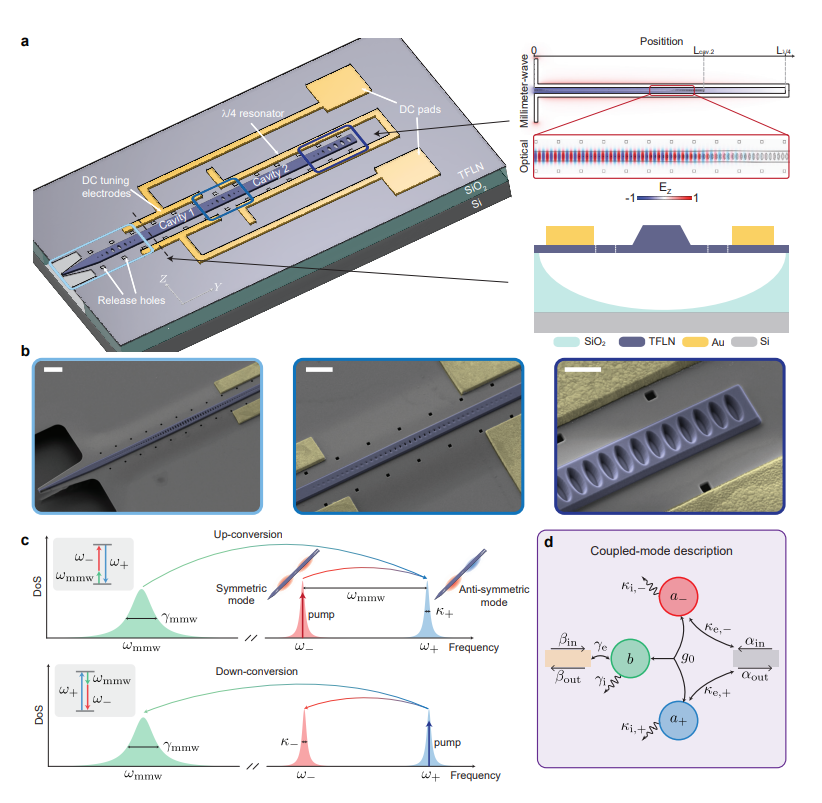
EPFL Demonstrates Millimeter-Wave-to-Optical Transducer with 67% Internal Efficiency
November 10, 2026

Why Quantum Hardware Needs Its Own Threat Model
November 9, 2026
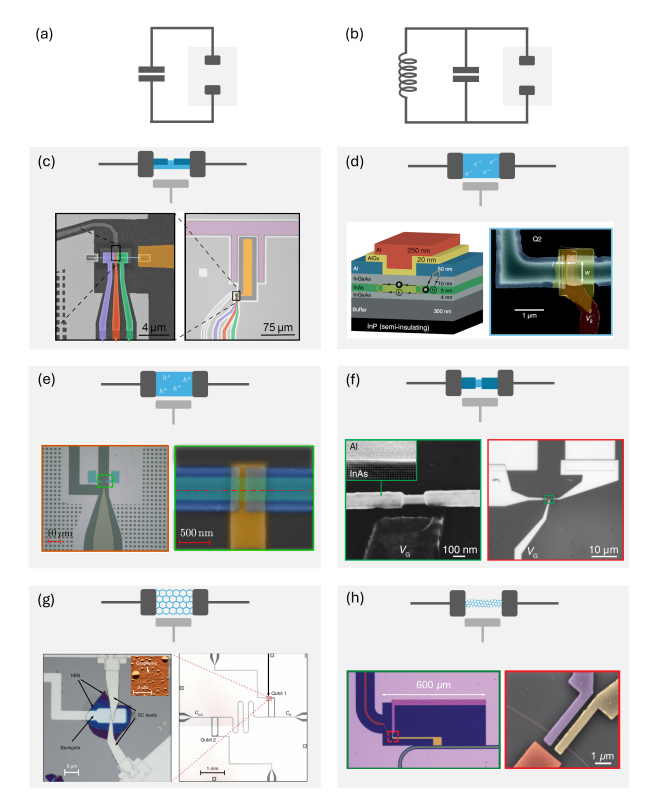
Physics Reports Analysis Evaluates Emergence of Hybrid Semiconductor–Superconducting Qubit Architectures
November 9, 2026
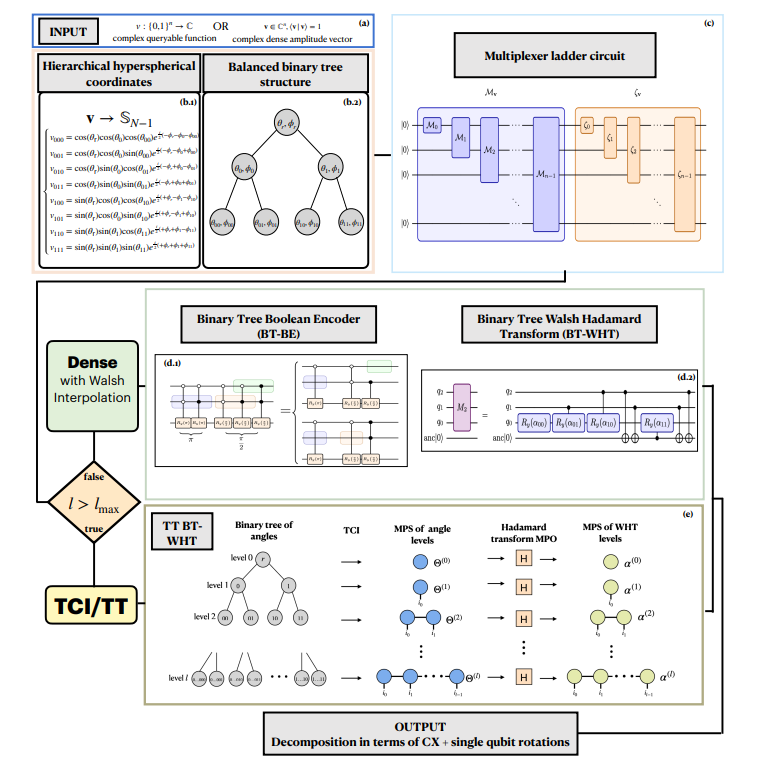
DLR Develops Scalable Unitary Data Encoding Beating Exponential State-Preparation Depth
November 9, 2026
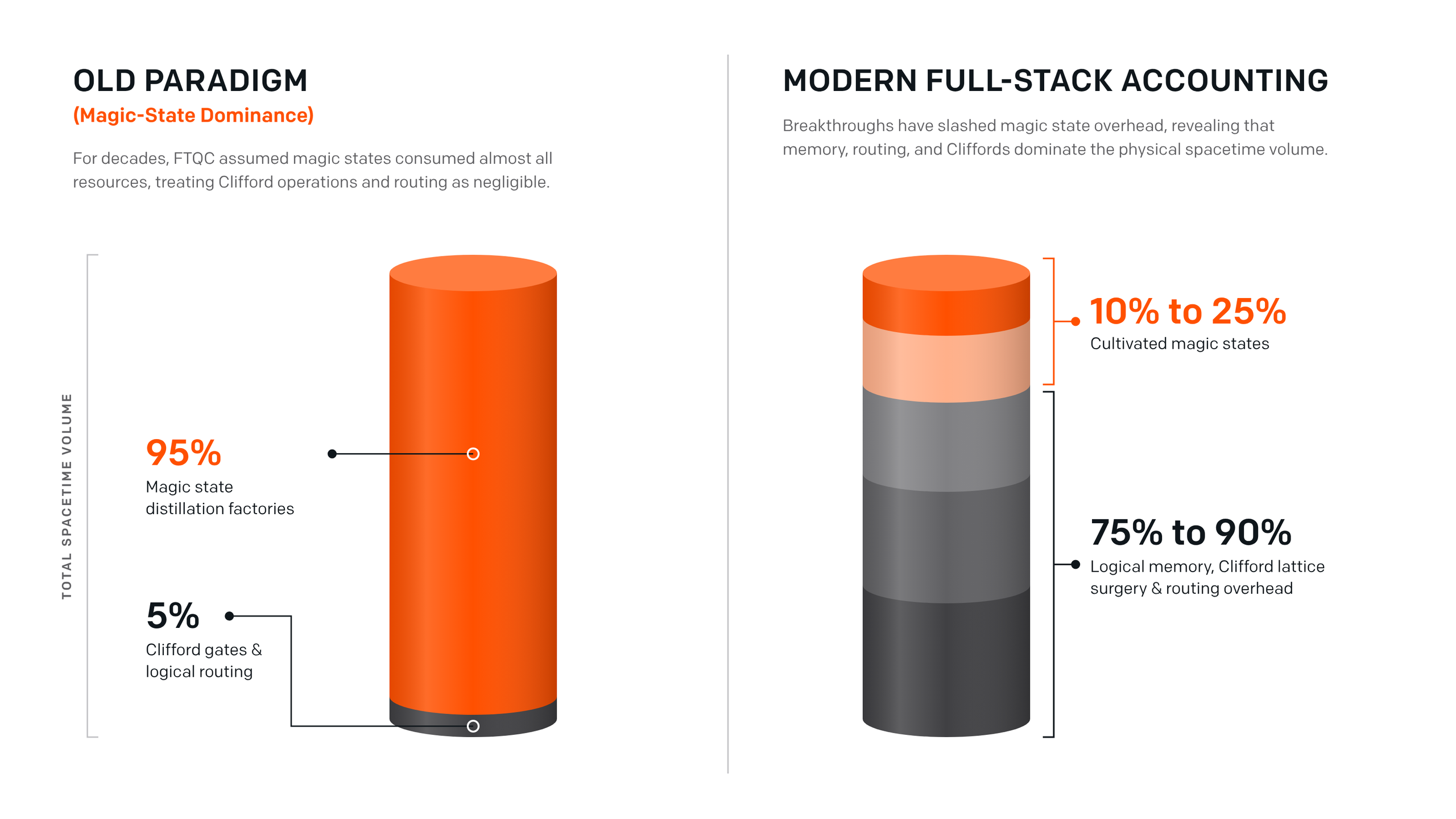
IonQ and Classiq Outline Architectural Trade-Offs in Fault-Tolerant Resource Estimation
November 9, 2026