Infleqtion Awarded $2 Million DARPA Contract for Heterogeneous Quantum Software

Infleqtion has secured a $2 million contract from the Defense Advanced Research Projects Agency (DARPA) to support the Heterogeneous Architectures for Quantum (HARQ) program. The 24-month project focuses on the development of Multistaq, a software platform designed to manage quantum systems that integrate multiple qubit modalities, such as neutral atoms, trapped ions, and superconducting circuits. The effort aims to transition quantum computing from "homogeneous" single-platform systems to "heterogeneous" architectures that leverage the specific physical strengths of different qubit species for processing, memory, and communication.
Infleqtion was selected for Technical Area 1, which is dedicated to the creation of next-generation quantum circuit compilers. Multistaq builds upon the foundation of Infleqtion’s Superstaq™ multimodal compiler by implementing cross-modality and cross-layer optimization techniques. These tools are designed to efficiently assign quantum operations to the most suitable qubit types, with the goal of reducing computational resource demands and improving overall system performance.
The development of Multistaq will be supported by a multidisciplinary team including collaborators from the University of Chicago. By enabling efficient compilation across diverse modalities, the platform is intended to unlock the practical benefits of advanced hardware interconnects. This software foundation aims to accelerate the deployment of mission-relevant quantum capabilities across sectors including defense, energy, and materials science.
For the official press release on the contract award, visit the Infleqtion newsroom here. Further information on the goals of the DARPA HARQ program can be found here. Previous coverage of IonQ and memQ's involvement in the HARQ program is available at the Quantum Computing Report here and here.
April 21, 2026
Related Intelligence
Test of USydney article with HTML.
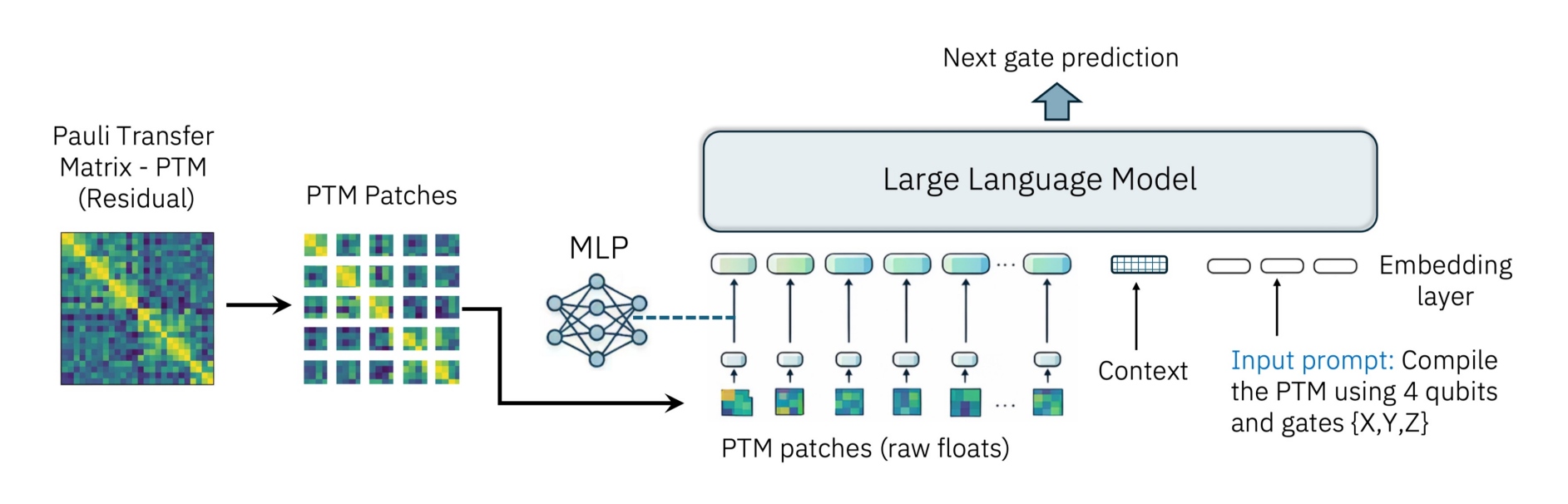
MIT and IBM Project Quantum Unity Operators into Language Model Latent Spaces for Multimodal Circuit Synthesis
July 11, 2026

ETH Zurich Combines Superconducting Qubits with Mechanical Resonators to Build Vibrating Quantum RAM
July 11, 2026
Google and Fraunhofer Launch Global Calls for Early Fault-Tolerant Algorithms and Enterprise Use Cases
July 11, 2026

Who’s News: Strategic Appointments at Photonic, Aliro Quantum, Florida Atlantic University, QuSecure, Quantum Elements, and QAI Ventures
July 11, 2026
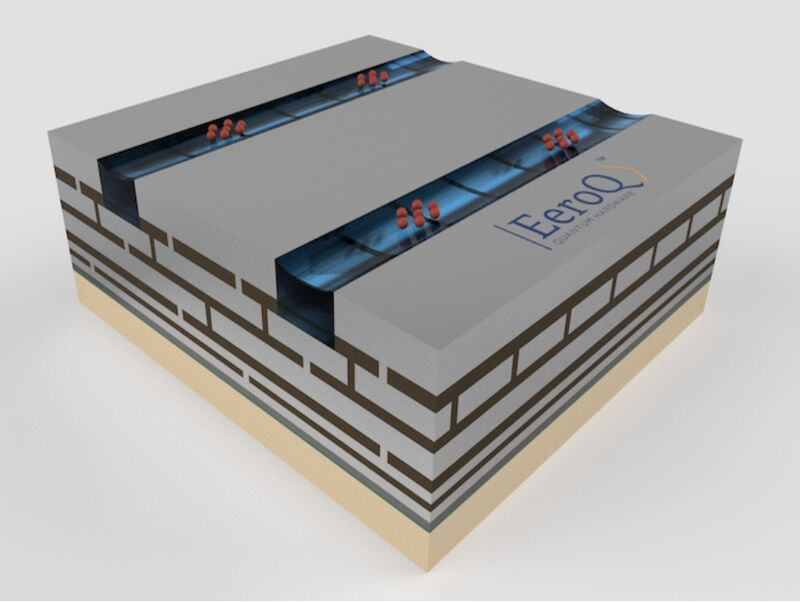
EeroQ Validates CMOS-Controlled Electron Shuttling on Superfluid Helium for All-to-All Qubit Routing
July 11, 2026