Institut quantique Joins Qblox Excellence Center Program to Advance Distributed Quantum Computing
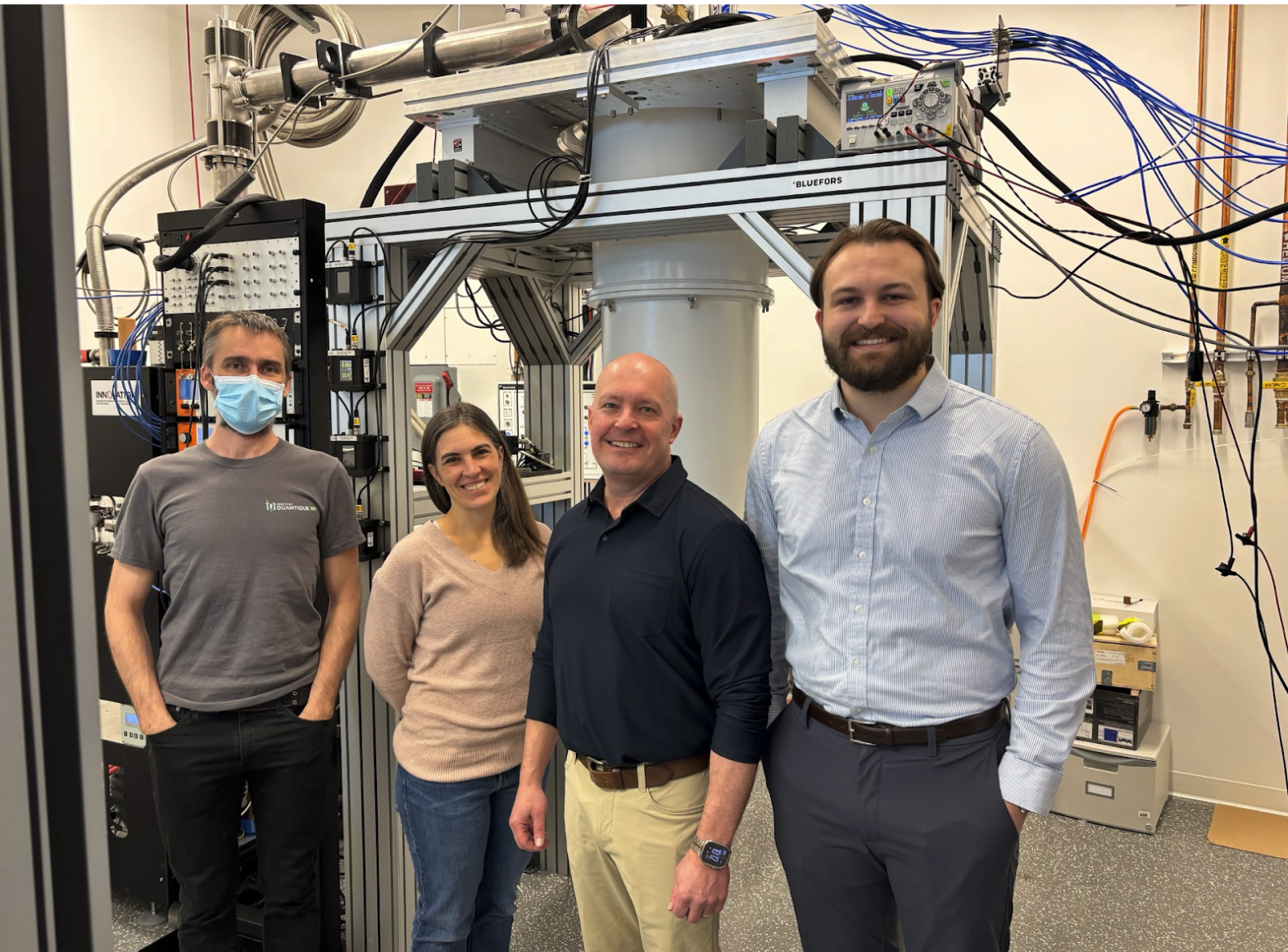
The Institut quantique (IQ) at the Université de Sherbrooke has partnered with Qblox to become a Qblox Excellence Center. This strategic collaboration is focused on advancing research at the graduate and postdoctoral levels, specifically targeting the infrastructure required for Distributed Heterogeneous Quantum Computing. By combining Qblox’s modular control stacks with IQ’s expertise in hybrid quantum systems and transduction, the partnership aims to develop scalable, fault-tolerant architectures.
The IQ’s Quantum FabLab (QFL) has been equipped with Qblox’s advanced control electronics to support research across multiple qubit modalities. This hardware enables the fabrication and optimization of superconducting qubits, spin qubits, and hybrid quantum systems, providing researchers with the flexibility to conduct high-fidelity experiments. The joint co-development project focuses on identifying and removing the technical barriers that currently limit the deployment of quantum computing at scale within high-performance computing (HPC) environments.
In addition to hardware integration, the partnership emphasizes workforce development through co-organized scientific workshops and hackathons. These initiatives are designed to provide students and researchers with hands-on experience using industry-standard control hardware, ensuring the next generation of quantum engineers is equipped for industrial-scale research. By bridging the gap between pioneering academic research and robust control technology, the Qblox Excellence Center at the Université de Sherbrooke serves as a collaborative hub for scaling the global quantum ecosystem.
This expansion of the Excellence Center program builds on the successful model established with Chalmers University of Technology and the Wallenberg Centre for Quantum Technology (WACQT) in 2025. At Chalmers, the partnership has been instrumental in reaching milestones toward a 100-qubit processor, including a breakthrough 83 ns passive reset scheme for qubits. The addition of the Institut quantique reinforces Qblox’s strategy of deep-tier technical collaboration with world-leading research institutions to advance the global quantum stack.
For further details on the Quantum FabLab integration and the Excellence Center program, consult the official Qblox announcement here, and see the previous coverage on Chalmers University becoming an excellence center here.
March 13, 2026
Related Intelligence

Test of USydney article with HTML.
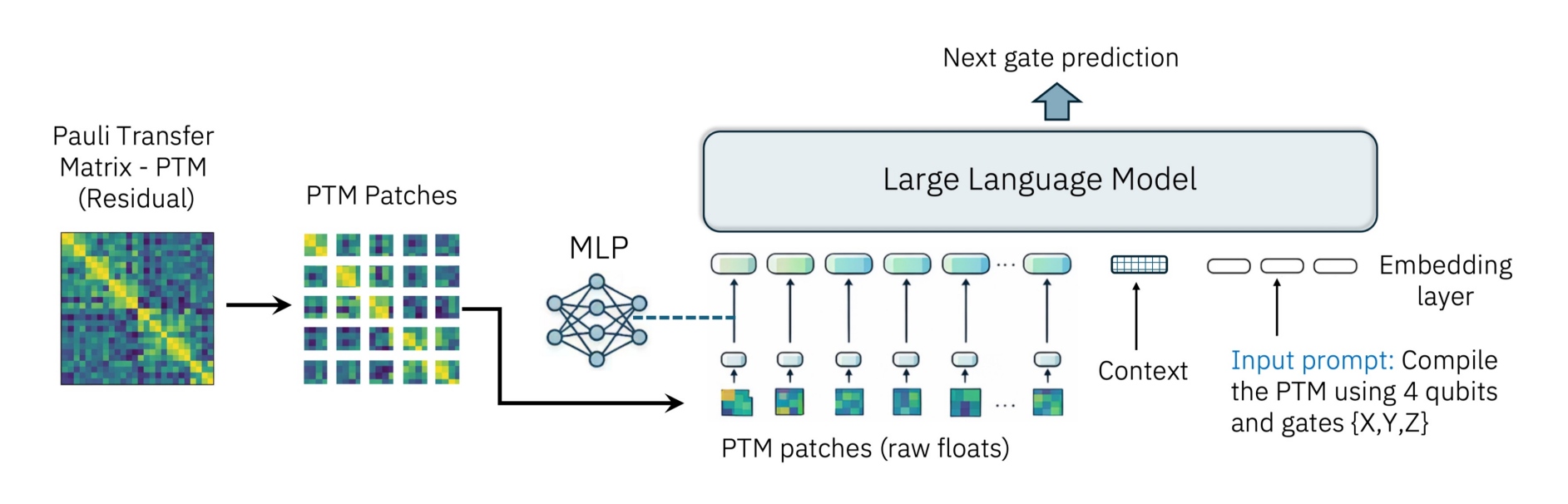
MIT and IBM Project Quantum Unity Operators into Language Model Latent Spaces for Multimodal Circuit Synthesis
July 11, 2026

ETH Zurich Combines Superconducting Qubits with Mechanical Resonators to Build Vibrating Quantum RAM
July 11, 2026

Google and Fraunhofer Launch Global Calls for Early Fault-Tolerant Algorithms and Enterprise Use Cases
July 11, 2026

Who’s News: Strategic Appointments at Photonic, Aliro Quantum, Florida Atlantic University, QuSecure, Quantum Elements, and QAI Ventures
July 11, 2026
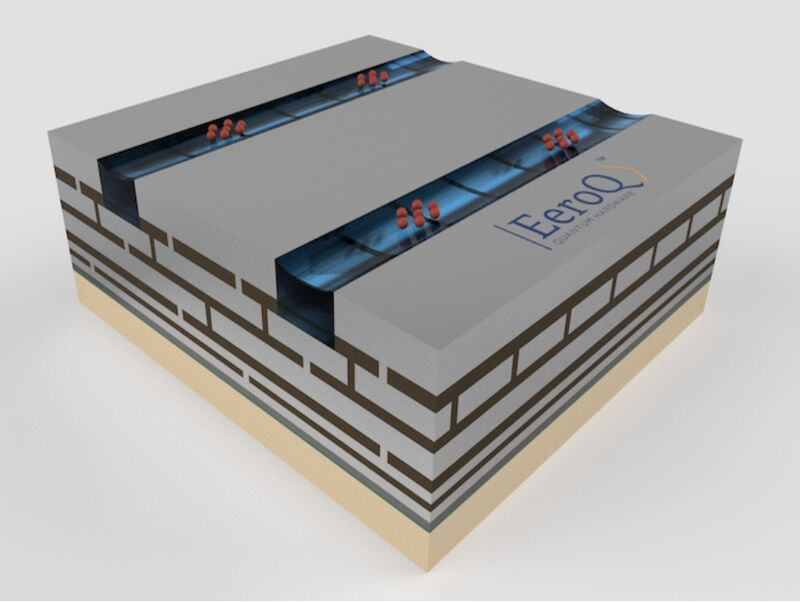
EeroQ Validates CMOS-Controlled Electron Shuttling on Superfluid Helium for All-to-All Qubit Routing
July 11, 2026