qBraid Establishes QUEST Program to Deliver Unified Cloud-Based QPU Access to 40 Universities
Quantum software and cloud infrastructure provider qBraid has launched the Quantum University Education and Support Track (QUEST), a workforce-development initiative designed to integrate physical quantum computing hardware directly into university classrooms. Spanning the 2026–2027 academic year, the program pools quantum processing unit (QPU) resources from multiple hardware vendors to provide more than 1,200 undergraduate and graduate students with hands-on development experience. By routing fragmented hardware architectures through a unified browser-based notebook interface, the centralized platform removes the financial and logistical barriers that traditionally limit university coursework to localized classical simulation.
                         [ QUEST Program Resource Pipeline ]
  Funding Facility   ──► $200,000 pooled fund providing up to $5,000 in credits per approved course.
  Hardware Backends  ──► Direct connection to 25+ cloud-accessible QPUs through a single notebook.
  Consortium Base    ──► 40 accredited U.S. universities anchored by NC A&T State University.
The programmatic rollout is backed by a $200,000 USD centralized fund contributed jointly by qBraid and its strategic hardware partners, including Rigetti Computing, IonQ Inc, Alpine Quantum Technologies (AQT), and Oxford Quantum Circuits (OQC). Approved professors receive up to $5,000 in computational credits per course to eliminate out-of-pocket lab costs for students. Headquartered in Chicago and led by CEO Dr. Kanav Setia, qBraid acts as the overarching coordinator for the program. North Carolina Agricultural and Technical State University (NC A&T), under the direction of Dr. Raymond Samuel, serves as the anchor academic institution, driving the program's core focus on expanding demographic participation across public universities.
Alongside its educational deployment, QUEST is executing a multi-university empirical study on quantum computing pedagogy. Led by Head of Scientific Applications and Product Dr. Tarini Hardikar, the initiative operates under a formal Institutional Review Board (IRB) approval to collect anonymous student surveys and aggregate platform interaction analytics. The resulting dataset will evaluate how direct cloud-based QPU access alters measurable student learning outcomes when compared against simulator-only baselines. This academic research project aims to establish standardized benchmarks for quantum software instruction, offering participating faculty co-authorship opportunities on upcoming peer-reviewed educational publications.
The official enterprise program announcement, hardware integration lists, and cohort application criteria can be reviewed here, while the detailed academic roadmap, research metrics, and timeline milestones can be accessed here.
July 2, 2026
Related Intelligence

Test of USydney article with HTML.
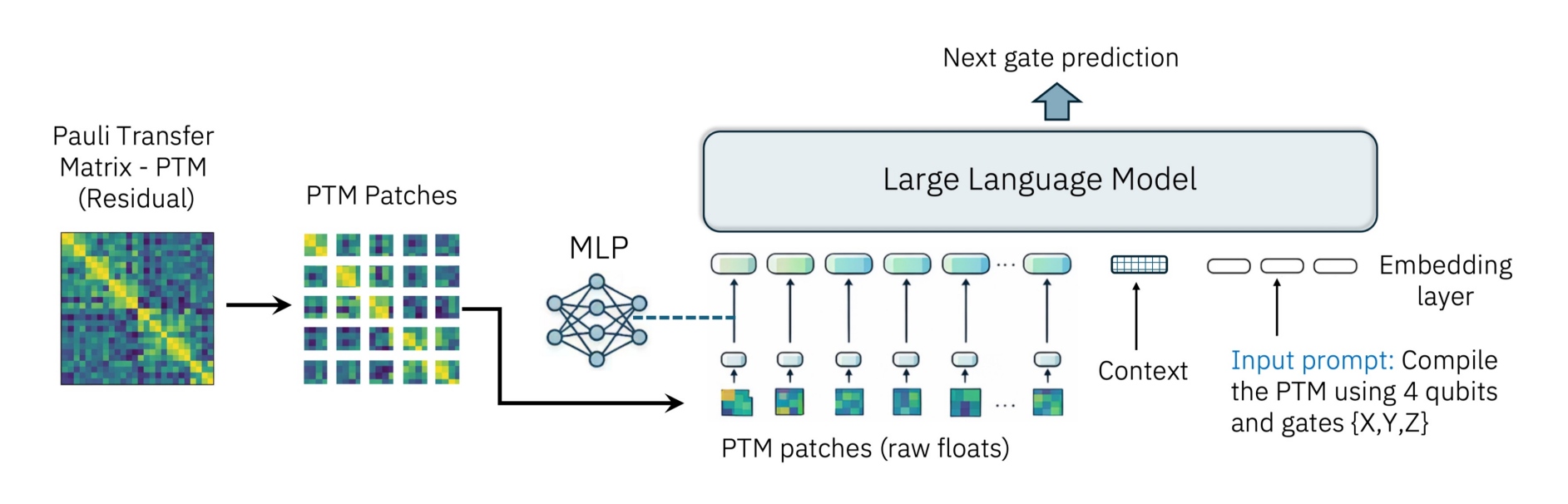
MIT and IBM Project Quantum Unity Operators into Language Model Latent Spaces for Multimodal Circuit Synthesis
July 11, 2026

ETH Zurich Combines Superconducting Qubits with Mechanical Resonators to Build Vibrating Quantum RAM
July 11, 2026
Google and Fraunhofer Launch Global Calls for Early Fault-Tolerant Algorithms and Enterprise Use Cases
July 11, 2026

Who’s News: Strategic Appointments at Photonic, Aliro Quantum, Florida Atlantic University, QuSecure, Quantum Elements, and QAI Ventures
July 11, 2026
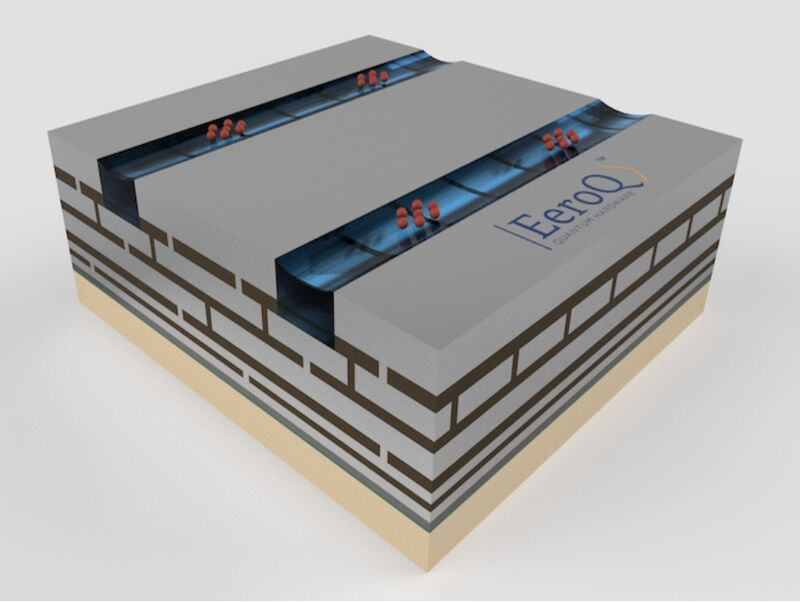
EeroQ Validates CMOS-Controlled Electron Shuttling on Superfluid Helium for All-to-All Qubit Routing
July 11, 2026