QCentroid Enters Aviation and Telecommunication Consortia to Deploy QuantumOps Infrastructures
Enterprise platform developer QCentroid has joined two major industrial research initiatives in Spain designed to transition quantum and hybrid computing workflows out of laboratory environments into mission-critical applications. Under the first framework, QCentroid Labs has paired with aerospace manufacturer Boeing to resolve the dense computational optimization barriers associated with integrating autonomous flight networks into urban environments. Under the second, the company has integrated its software deployment portfolio into a newly formalized joint research group spearheaded by Telefónica and the Universidad Politécnica de Madrid (UPM) to expand the scalability of sovereign European telecommunication architectures.
Automated Air Traffic Routing and Urban Air Mobility Simulations
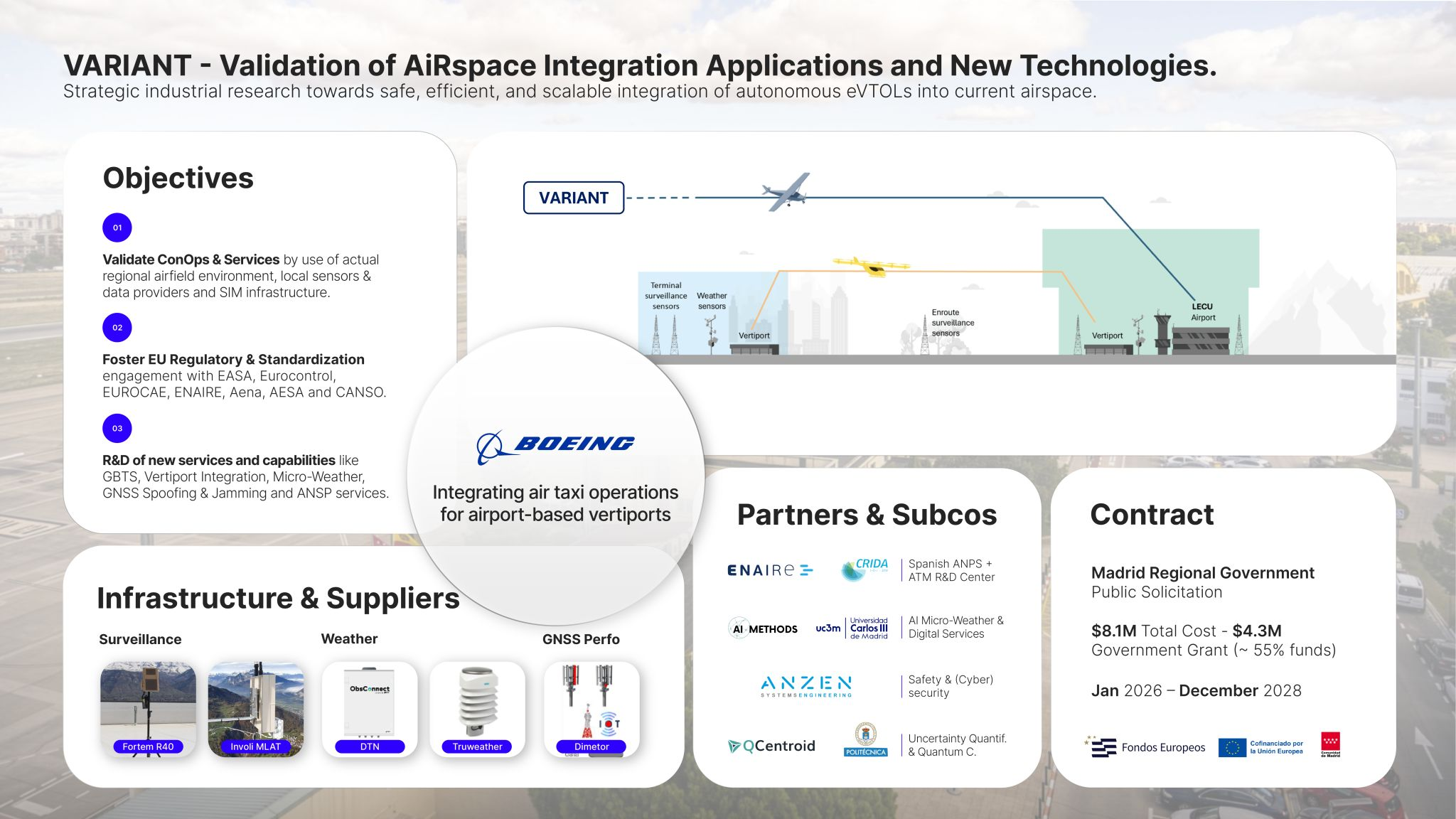
Led by Boeing Aerospace Spain, the VARIANT (Validation of AiRspace Integration Applications and New Technologies) project focuses on establishing safe, automated air traffic management services for electric vertical takeoff and landing (eVTOL) aircraft. Managing high-density, low-altitude aerial networks within urban and suburban corridors represents an intricate optimization challenge where routing variables change continuously based on shifting constraints. QCentroid provides the foundational execution framework, allowing engineers to test, track, and benchmark hybrid computational models across central processing units (CPUs), graphics processing units (GPUs), and diverse quantum hardware backends in an auditable simulation environment.
[ Dynamic Flight Constraints ] ──► [ AI Methods Nowcasts ] ──► [ QCentroid QuantumOps Framework ] ──► [ SkyGrid Fleet Routing ]
The VARIANT industrial consortium relies on an integrated stack of specialized digital services to automate low-altitude flight paths. Atmospheric intelligence startup AI Methods contributes real-time, high-resolution micro-weather data streams, while ANZEN Engineering coordinates systemic safety assurance and airworthiness interfaces to build out certifiable vertiport flight environments. These elements feed directly into ground-based traffic surveillance and resource scheduling modules managed by Boeing subsidiary SkyGrid. By deploying its QuantumOps orchestrator within this network, QCentroid allows the consortium to systematically isolate where quantum-inspired algorithms can complement classical machine learning models to accelerate localized fleet routing and prevent global network congestion.
Sovereign Telecommunications and Metropolitan Fiber Deployments
In parallel with its aerospace initialization, QCentroid has joined the innovation network supporting the newly established Telefónica–UPM Joint Research Unit (JRU) on Quantum Technologies. Building upon twelve years of collaborative communication research between the telecommunications provider and the university, the JRU operates out of UPM’s School of Computer Engineering and is structurally tied to the Quantum Information Group (GIICC). The shared unit functions as a unified team to streamline European Union funding applications, accelerate institutional knowledge transfer, and advance continental digital sovereignty across high-impact encryption networks.
The collaborative ecosystem is anchored by large-scale metropolitan infrastructure deployments. Telefónica previously led the installation of TEFQCI, one of the earliest private experimental fiber systems optimized for quantum data transmission within the Madrid metropolitan area, while contributing hardware to the broader MADQCI network. Within the JRU, QCentroid works alongside UPM spin-off QoolNet to translate basic physics research into industrial applications. While QoolNet focuses on the physical fiber and routing equipment required for Quantum Key Distribution (QKD), QCentroid delivers the high-level access layers and software development kits needed to integrate post-quantum optimization routines directly into enterprise information technology stacks.
The structural program parameters, operational timelines, and industrial data dashboards can be reviewed in the official Boeing VARIANT Aerospace Report here alongside technical updates on the SkyGrid VARIANT Project Hub here, while comprehensive networking frameworks and institutional agreement protocols are detailed in the Telefónica–UPM Quantum Telecommunications Update here and the Telefónica Corporate Press Room here.
June 24, 2026
Related Intelligence

Test of USydney article with HTML.
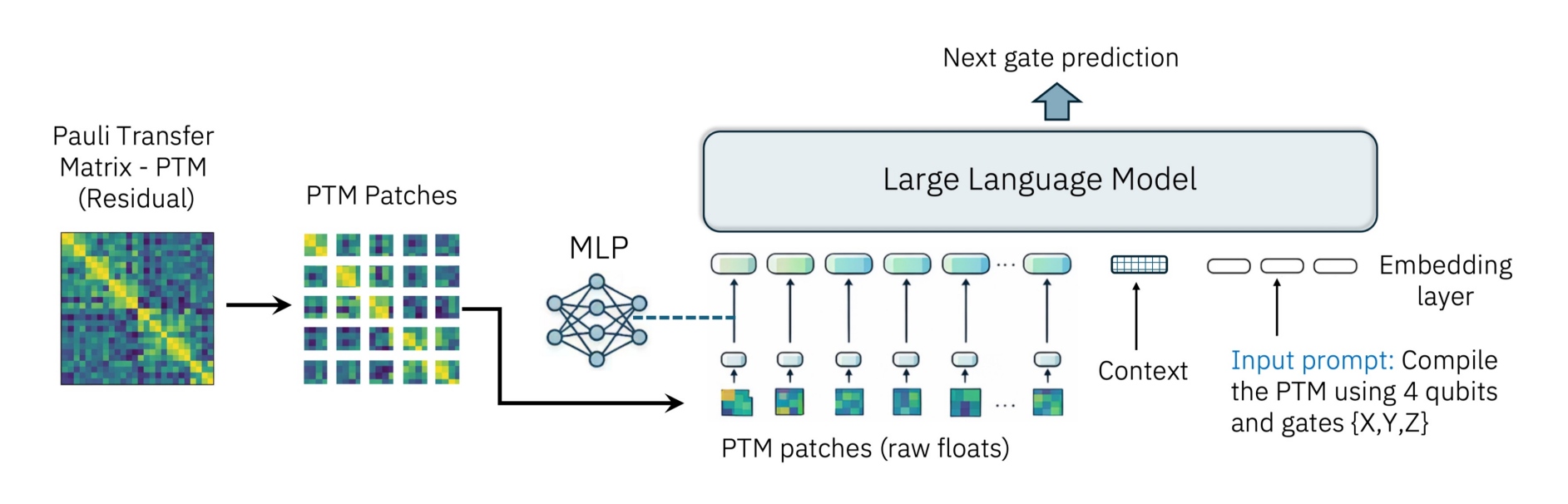
MIT and IBM Project Quantum Unity Operators into Language Model Latent Spaces for Multimodal Circuit Synthesis
July 11, 2026

ETH Zurich Combines Superconducting Qubits with Mechanical Resonators to Build Vibrating Quantum RAM
July 11, 2026

Google and Fraunhofer Launch Global Calls for Early Fault-Tolerant Algorithms and Enterprise Use Cases
July 11, 2026

Who’s News: Strategic Appointments at Photonic, Aliro Quantum, Florida Atlantic University, QuSecure, Quantum Elements, and QAI Ventures
July 11, 2026
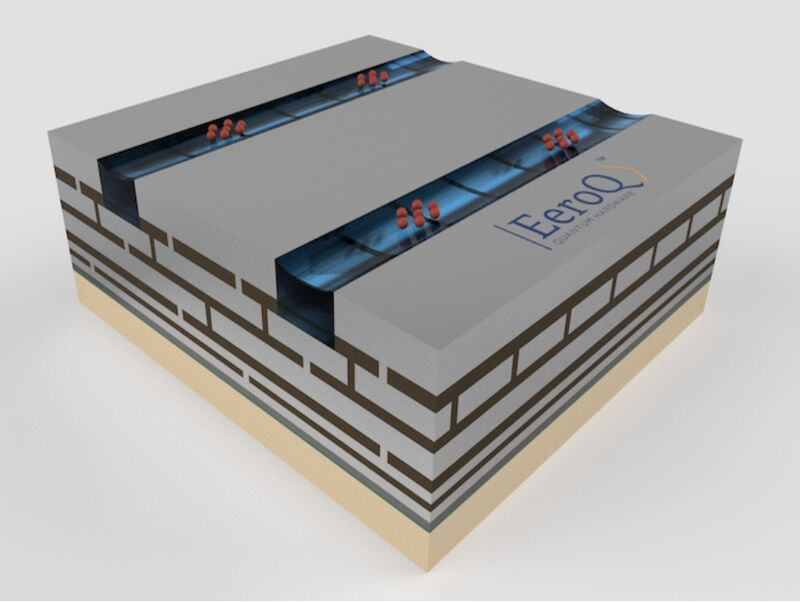
EeroQ Validates CMOS-Controlled Electron Shuttling on Superfluid Helium for All-to-All Qubit Routing
July 11, 2026