Quandela Selected for Stage A of DARPA's Quantum Benchmarking Initiative
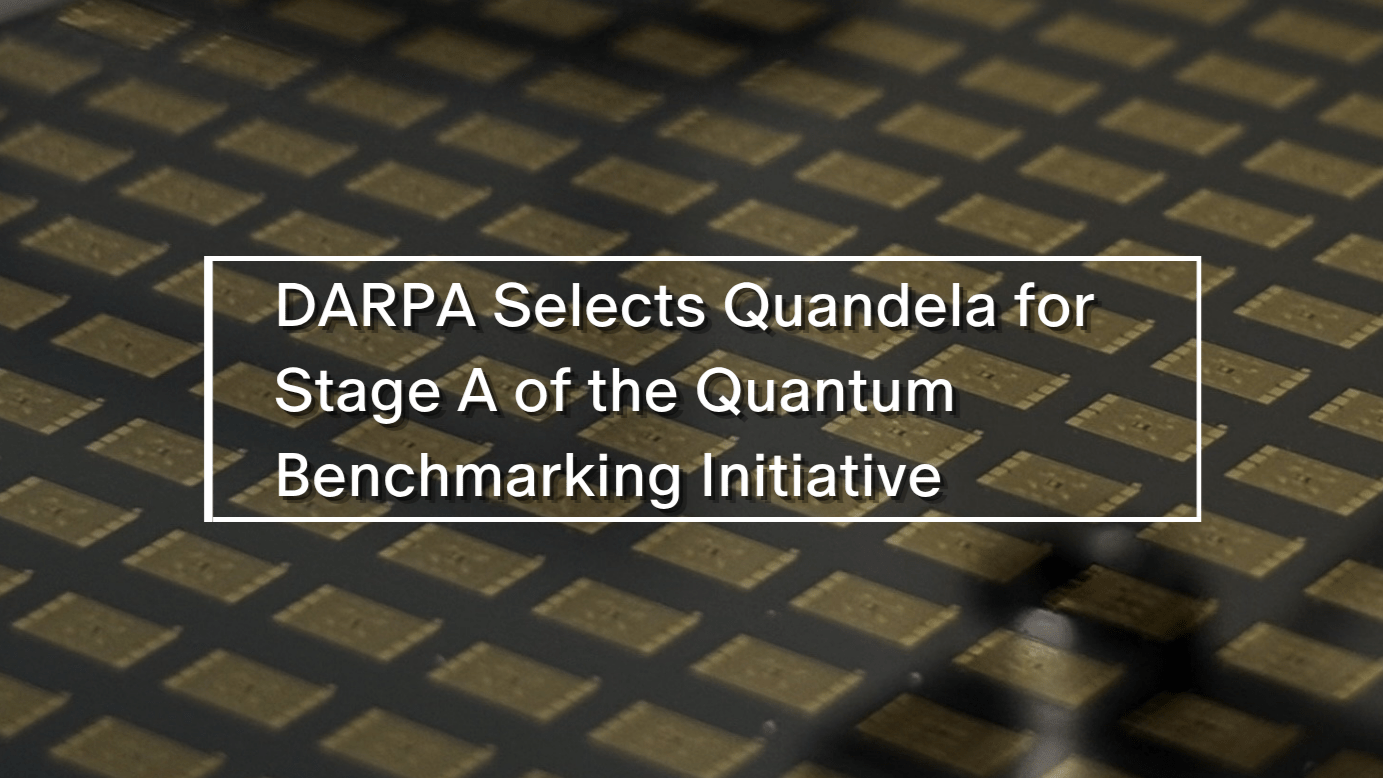
Photonic quantum hardware developer Quandela has been selected by the U.S. Defense Advanced Research Projects Agency (DARPA) to participate in Stage A of the Quantum Benchmarking Initiative (QBI). The program expands on federal efforts to separate hype from technical reality by auditing whether candidate quantum computing architectures can achieve true "utility-scale" operation—defined as systems whose absolute computational value exceeds their operational cost—by 2033. Under the initial six-month Stage A plausibility phase, Quandela will deliver a comprehensive system concept report detailing the near-term engineering feasibility of its fault-tolerant hardware baseline to government test and evaluation teams.
Hybrid Spin-Optical Quantum Computing (SPOQC) Architecture Mechanics
The technical foundation under review centers on Quandela's proprietary Spin-Optical Quantum Computing (SPOQC) framework. This hybrid architecture merges the native spatial connectivity and modularity of linear-optical photons with the high-speed logic and resource efficiency of semiconductor spin-mediated quantum dots. By utilizing repeat-until-success linear-optical gates to execute entangling operations on the underlying spins, the system achieves a significant reduction in total optical component counts compared to standard all-photonic architectures. This structural simplification bypasses the intensive multiplexing hardware traditionally needed for resource-state generation, providing a scalable pathway to run low-density parity-check (LDPC) error-correcting codes via distant, non-local optical links.
The Multi-Stage QBI Validation and Risk Reduction Lifecycle
Managed under DARPA's Microsystems Technology Office, the QBI framework serves as an objective, third-party verification pipeline to assess hardware viability without relying on incremental, lab-scale qubit metrics. The multi-tier structure routes selected performers through three distinct phases: the Stage A plausibility design review, a 12-month Stage B R&D roadmap audit, and a multi-year Stage C independent verification and validation phase. By advancing into Stage A alongside a select group of commercial hardware developers, Quandela Federal will focus on translating its validated entanglement generation benchmarks into a formal, dual-use design concept capable of deployment within standard high-performance computing (HPC) data center lines.
The official commercial press release detailing the strategic milestone and corporate briefs can be reviewed here. For a detailed agency breakdown of the QBI solicitation parameters, timeline expectations, and utility-scale definitions, access the federal overview here, and track Quandela's long-term hardware-software development roadmap here.
June 16, 2026
Related Intelligence
Test of USydney article with HTML.
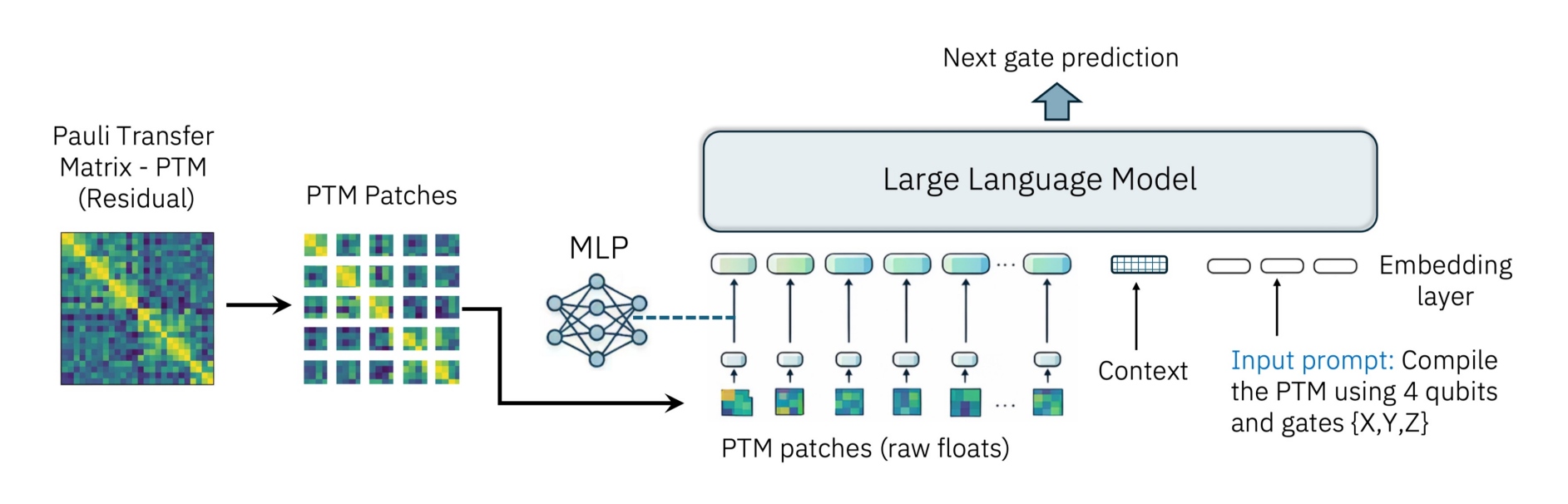
MIT and IBM Project Quantum Unity Operators into Language Model Latent Spaces for Multimodal Circuit Synthesis
July 11, 2026

ETH Zurich Combines Superconducting Qubits with Mechanical Resonators to Build Vibrating Quantum RAM
July 11, 2026
Google and Fraunhofer Launch Global Calls for Early Fault-Tolerant Algorithms and Enterprise Use Cases
July 11, 2026

Who’s News: Strategic Appointments at Photonic, Aliro Quantum, Florida Atlantic University, QuSecure, Quantum Elements, and QAI Ventures
July 11, 2026
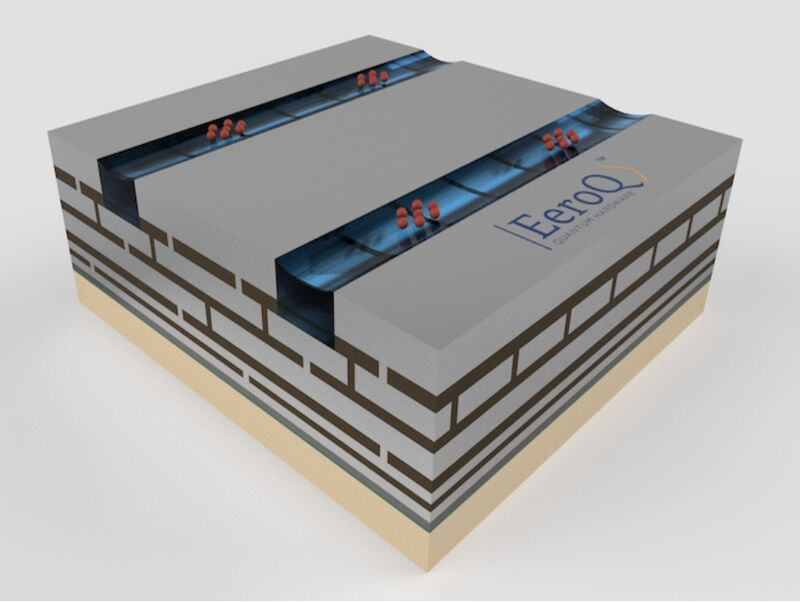
EeroQ Validates CMOS-Controlled Electron Shuttling on Superfluid Helium for All-to-All Qubit Routing
July 11, 2026