Quanscient Secures €10 Million ($11.6 Million USD) Series A to Expand Cloud-Native Multiphysics and Quantum Simulation Platform
Quanscient has closed a €10 million ($11.6 million USD) Series A funding round to expand its international operational footprint and accelerate the…

Quanscient has closed a €10 million ($11.6 million USD) Series A funding round to expand its international operational footprint and accelerate the development of its cloud- and quantum-powered multiphysics simulation platform. The financing round was co-led by Danish quantum investment fund 55 North and Austrian industrial tech investor B&C Group. The transaction also saw full re-participation from existing venture backers, including Maki.vc, Crowberry Capital, QAI Ventures, and First Fellow Partners. The capital injection targets a major bottleneck in conventional hardware engineering, where legacy high-performance computing (HPC) simulation tools force developers to rely on slow, iterative, and costly physical prototyping workflows.
Technical Architecture & Specifications / Operational Implementation
The platform architecture transitions multiphysics simulations into a code-driven, cloud-scalable framework designed to support future quantum algorithm integration and physics-aware AI training models. According to an industry study conducted by Quanscient, approximately 89% of hardware engineers routinely simplify their underlying physics models to comply with strict classical runtime and memory budgets. To bypass these limitations, Quanscient's cloud-native architecture executes simulations up to 100 times faster than legacy desktop tools, reducing overall computation runtimes by up to 99%.
The software stack treats simulation data as a foundational data source, generating the high-volume, multi-domain physical datasets required to train generative AI design models that classical data frameworks cannot accurately replicate. By unifying structural mechanics, fluid dynamics, electromagnetics, and thermal equations under a single composable environment, the platform enables engineering teams to evaluate broad design spaces and identify non-obvious performance trade-offs early in the R&D cycle.
Strategic Positioning & Ecosystem Integration
The Series A funding positions Quanscient to scale its enterprise deployment across the automotive, aerospace, and advanced energy sectors, where multi-physics precision directly impacts time-to-market metrics. The company's full-stack approach combines immediate cloud-accelerated computing throughput with forward-looking quantum subroutines designed to execute complex material and structural simulations on upcoming fault-tolerant quantum hardware. This dual capability has driven adoption among Fortune 100 firms and industrial manufacturers across Europe, North America, and Japan. By deploying these cloud-native tools, enterprise clients can execute fully digital product testing loops, minimizing their reliance on physical prototypes while de-risking complex, high-capital R&D projects in fields such as advanced microelectronics and nuclear fusion infrastructure.
You can review the official corporate press release detailing the Series A funding round here.
May 26, 2026
Related Intelligence

Test of USydney article with HTML.
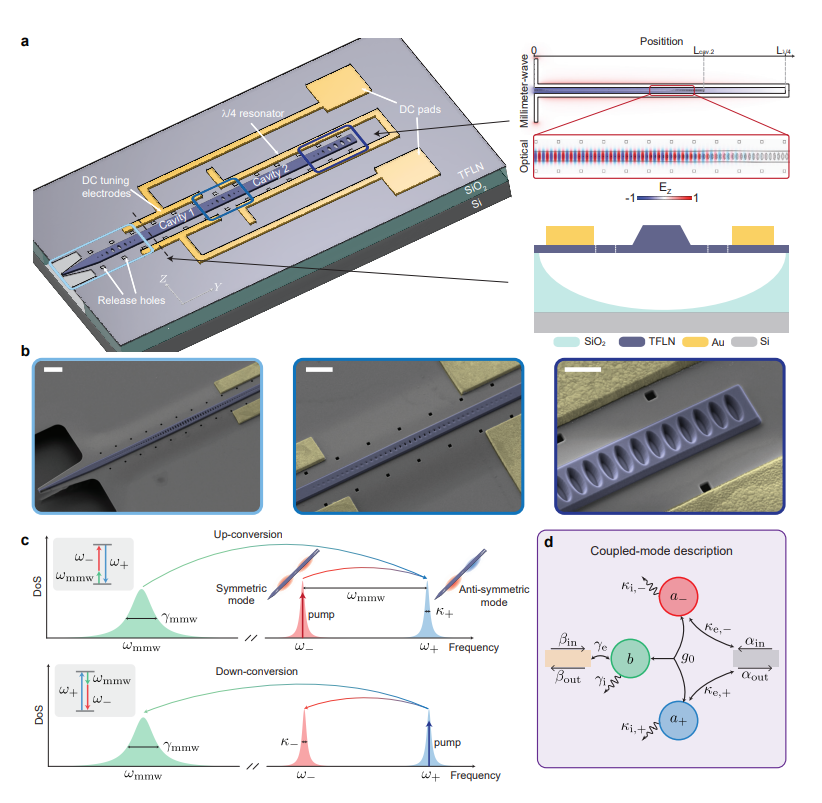
EPFL Demonstrates Millimeter-Wave-to-Optical Transducer with 67% Internal Efficiency
November 10, 2026

Why Quantum Hardware Needs Its Own Threat Model
November 9, 2026
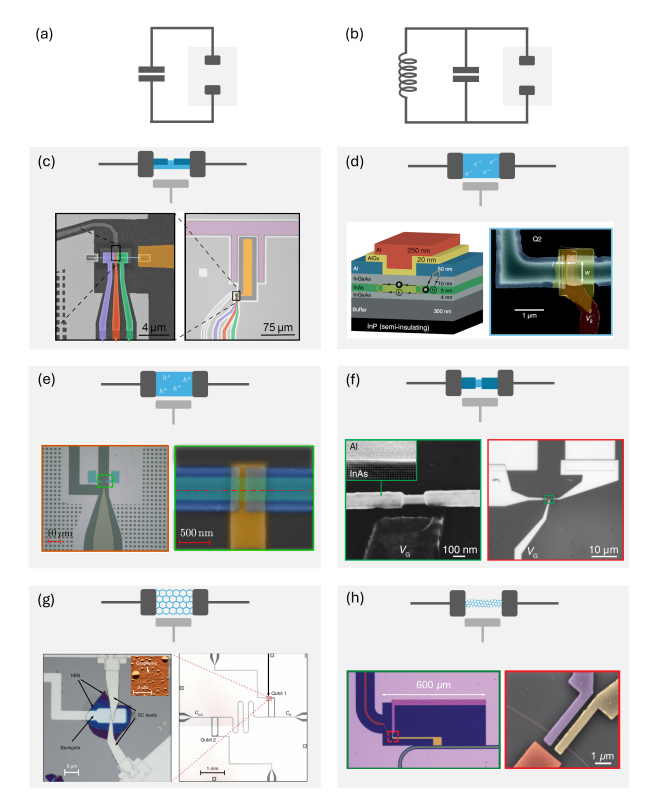
Physics Reports Analysis Evaluates Emergence of Hybrid Semiconductor–Superconducting Qubit Architectures
November 9, 2026
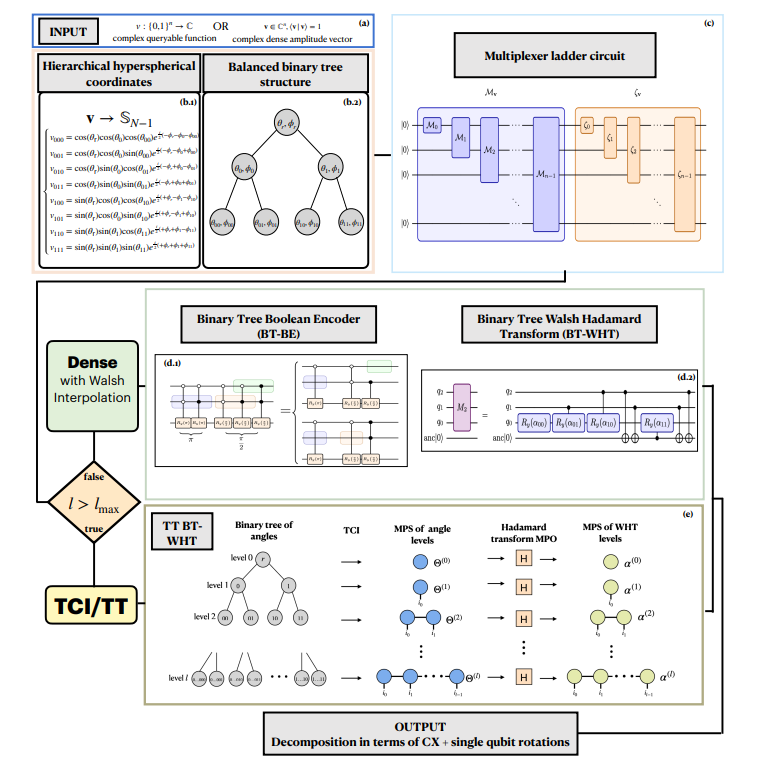
DLR Develops Scalable Unitary Data Encoding Beating Exponential State-Preparation Depth
November 9, 2026
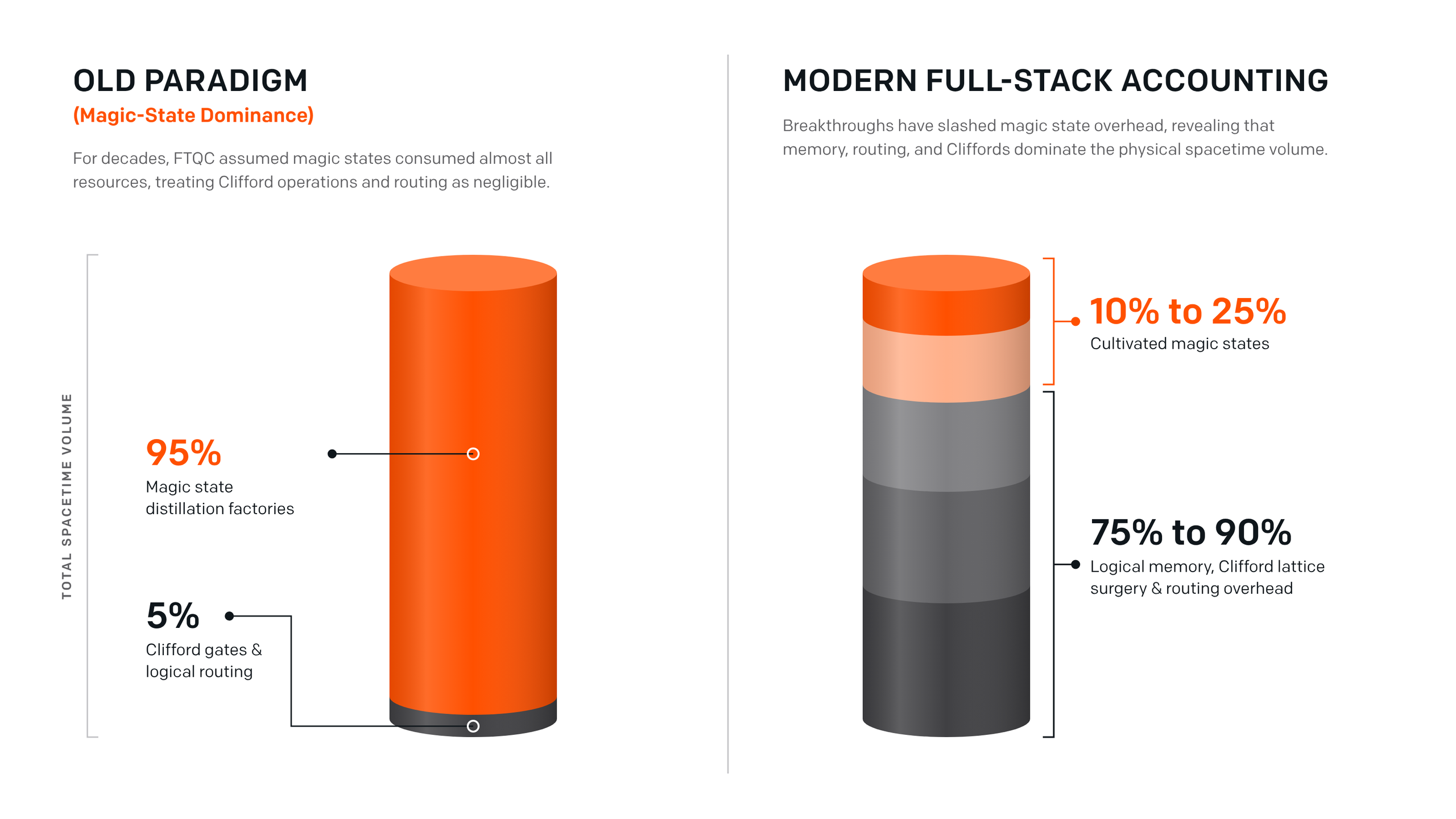
IonQ and Classiq Outline Architectural Trade-Offs in Fault-Tolerant Resource Estimation
November 9, 2026