UMass Amherst and UCSB Demonstrate Photonic Chip Technology for Miniaturized Quantum Systems
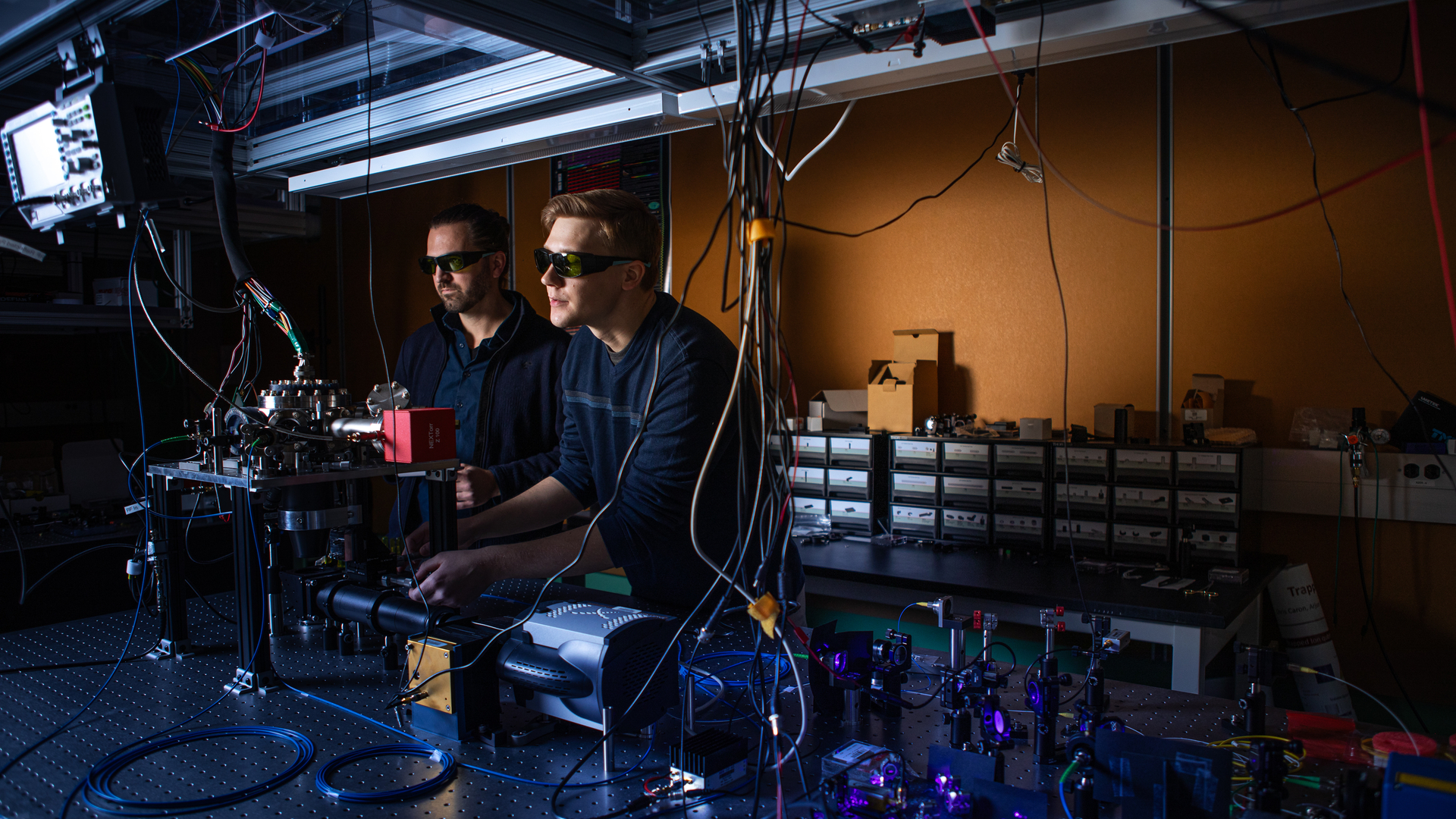
Researchers from UMass Amherst and the University of California Santa Barbara (UCSB) have demonstrated an integrated "system-on-a-chip" technology that replaces room-sized laser and optical components with miniaturized photonic chips. Led by Assistant Professor Robert Niffenegger and Professor Daniel Blumenthal, the team utilized trapped-ion technology to perform qubit and clock operations on a chip-scale device. This achievement is a critical step toward shrinking quantum hardware from room-sized installations to a portable form factor approximately the size of a deck of cards.
The technical breakthrough, published in Nature Communications, addresses the scalability bottleneck caused by bulky, vibration-isolated vacuum chambers and ultrastable optical cavities. Instead of relying on traditional, massive isolation systems, the researchers developed a method to actively compensate for laser drift using photonic technology. This approach achieved the high-fidelity qubit state preparation and measurement required for quantum computing, while making the hardware rugged enough to operate outside of a high-vacuum environment.
The miniaturization of these components has significant implications for both large-scale quantum processors and precision sensing. For computing, integration is seen as the only viable path to support the millions of qubits required for fault-tolerant operations. For sensing, the technology enables the development of portable optical clocks for deep space navigation, high-precision GPS, and centimeter-level mapping of Earth’s gravitational field. The team's next objective is full integration, combining the ion trap, lasers, and optical cavities onto a single unified quantum system-on-a-chip.
For the complete technical study on integrated photonics for trapped-ion systems, consult the Nature Communications paper here and the official UMass Amherst announcement here.
March 31, 2026
Related Intelligence

Test of USydney article with HTML.
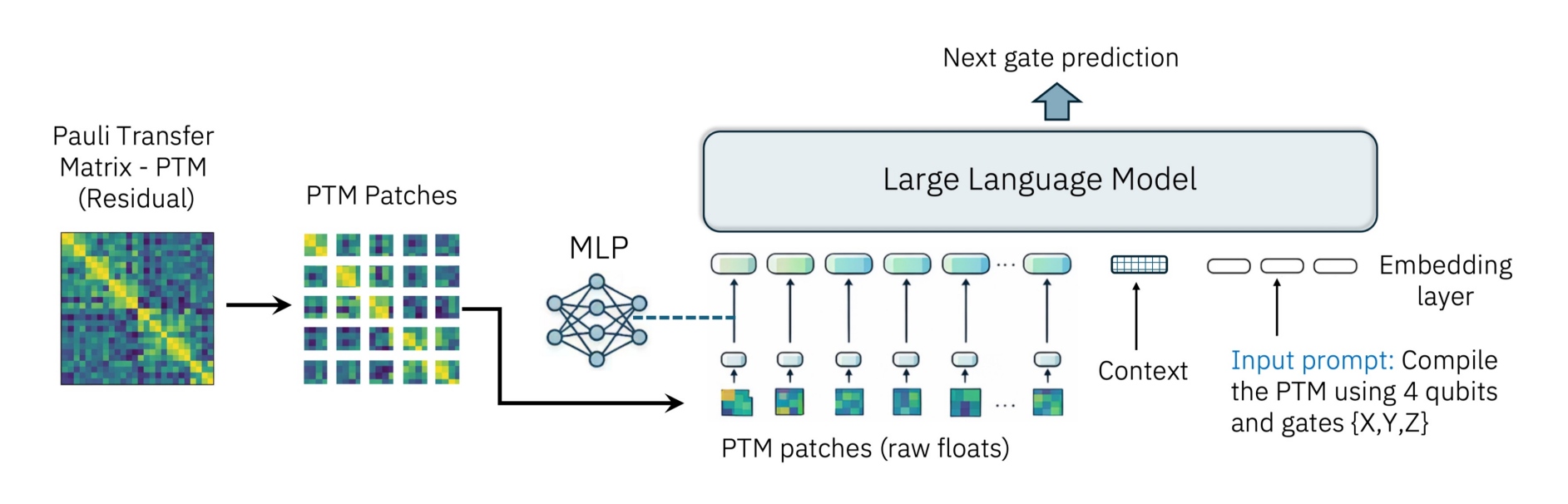
MIT and IBM Project Quantum Unity Operators into Language Model Latent Spaces for Multimodal Circuit Synthesis
July 11, 2026

ETH Zurich Combines Superconducting Qubits with Mechanical Resonators to Build Vibrating Quantum RAM
July 11, 2026

Google and Fraunhofer Launch Global Calls for Early Fault-Tolerant Algorithms and Enterprise Use Cases
July 11, 2026

Who’s News: Strategic Appointments at Photonic, Aliro Quantum, Florida Atlantic University, QuSecure, Quantum Elements, and QAI Ventures
July 11, 2026
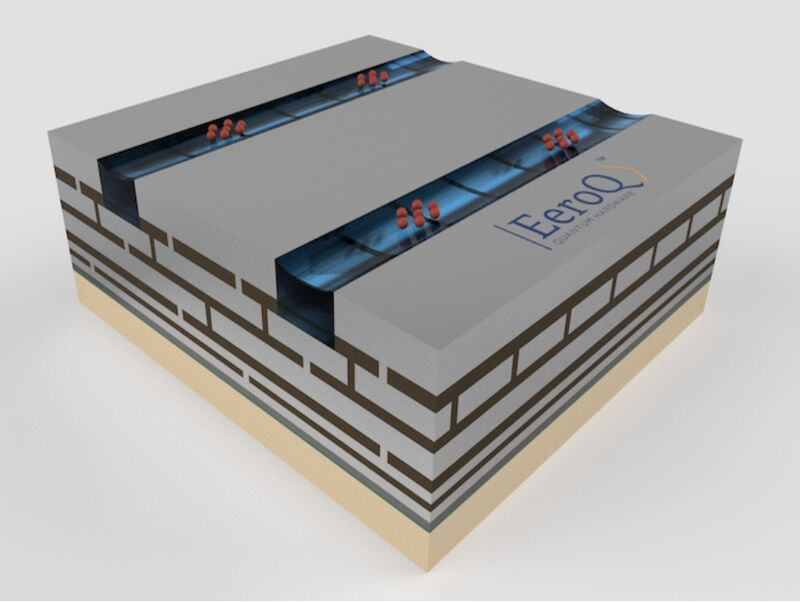
EeroQ Validates CMOS-Controlled Electron Shuttling on Superfluid Helium for All-to-All Qubit Routing
July 11, 2026