Xanadu Partners with ARLIS for Quantum Zero Trust Architecture

Xanadu Quantum Technologies has partnered with the Applied Research Laboratory for Intelligence and Security (ARLIS) at the University of Maryland to develop security standards for quantum computing. Sponsored by the Secretary of the Air Force’s SEQCURE (Securing Experimental Quantum Computing Usage in Research Environments) program, the project evaluates the implementation of Zero Trust Architecture (ZTA) within quantum environments. The study utilizes the NIST SP800-207 standard to transition quantum infrastructure from perimeter-based security to a "never trust, always verify" framework.
As part of the collaboration, Xanadu is providing a technical analysis of its photonic quantum systems, focusing on six architectural pillars: cloud, hardware, software, facilities, subjects, and data. The research examines the interactions between integrated computing resources, custom hardware, and embedded software elements to assess the viability of continuous verification. This data is intended to help ARLIS define foundational security protocols that protect quantum assets as they transition from laboratory environments to commercial and national security deployments.
The primary objective of the partnership is to produce a foundational report for the U.S. Government and the broader industry regarding the security of quantum infrastructure. By focusing on ZTA, the project aims to establish practical, deployable standards rather than theoretical risk models. This initiative is centered at MIQA@ARLIS, a facility launched in April 2025 within the University of Maryland’s Discovery District, which focuses on accelerating the transition of quantum research into deployable national security capabilities.
For full project details and strategic context, consult the official Xanadu announcement here, and see our previous coverage on the IonQ and ARLIS partnership here.
March 11, 2026
Related Intelligence

Test of USydney article with HTML.
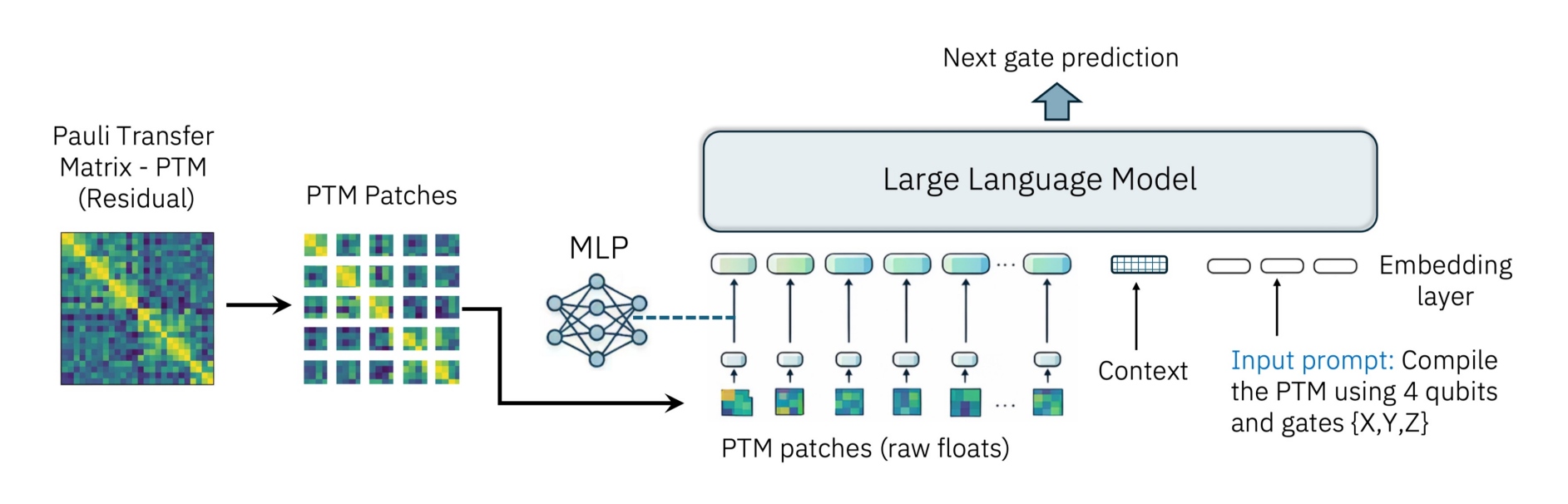
MIT and IBM Project Quantum Unity Operators into Language Model Latent Spaces for Multimodal Circuit Synthesis
July 11, 2026

ETH Zurich Combines Superconducting Qubits with Mechanical Resonators to Build Vibrating Quantum RAM
July 11, 2026

Google and Fraunhofer Launch Global Calls for Early Fault-Tolerant Algorithms and Enterprise Use Cases
July 11, 2026

Who’s News: Strategic Appointments at Photonic, Aliro Quantum, Florida Atlantic University, QuSecure, Quantum Elements, and QAI Ventures
July 11, 2026
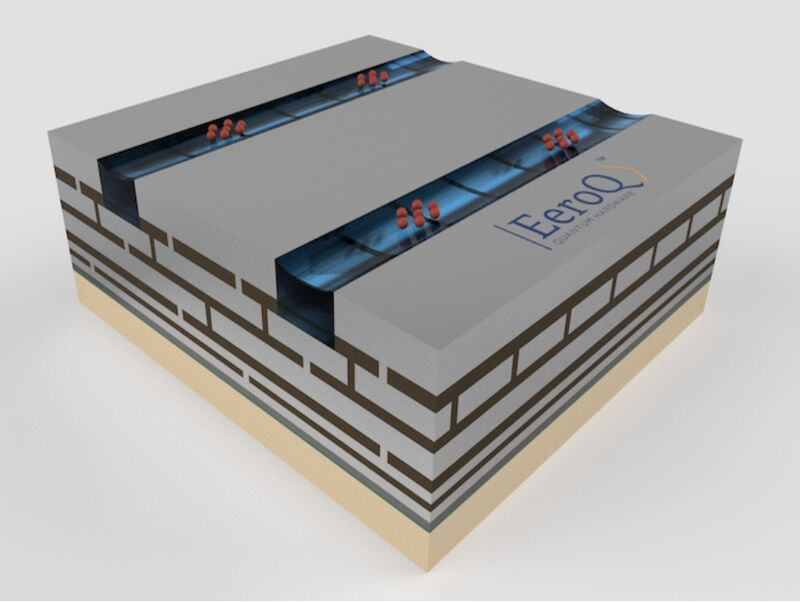
EeroQ Validates CMOS-Controlled Electron Shuttling on Superfluid Helium for All-to-All Qubit Routing
July 11, 2026